Prints just the plan, like a recipe card.
Last updated: November 22, 2026.
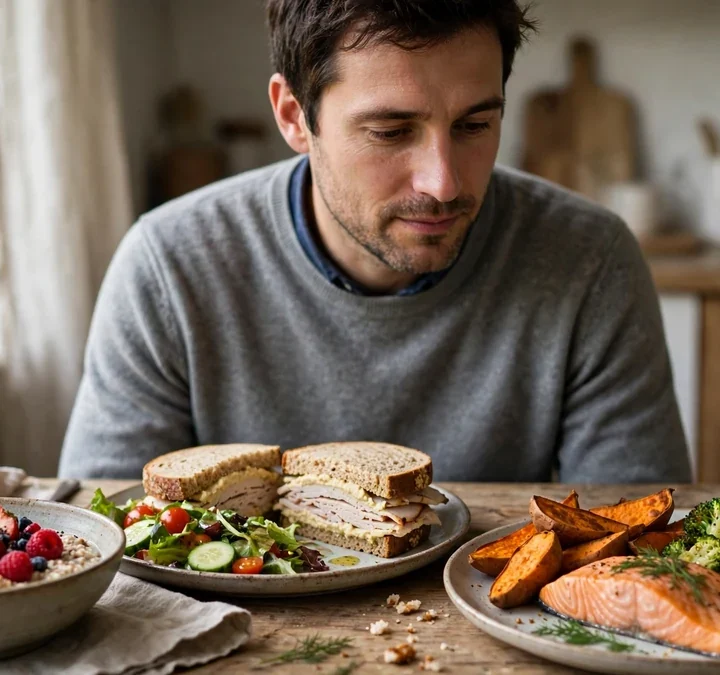
This 1500 calorie meal plan for men lays out a full week at about 1,500 calories a day, with exact foods and US portions for breakfast, lunch, dinner, and snacks. Every calorie and macro number on this page was calculated from USDA FoodData Central values for the portions listed, so the plan you read is the plan you actually eat.
Read this before you start: 1,500 calories is the lowest level we publish for men, and it fits only some men. It is a reasonable short term level for a smaller, sedentary man. Most men, especially taller, younger, or active men, need more than this even while losing weight, and the adjustment section below shows exactly how to add food. Protein averages about 113 grams a day to help protect muscle at this tight level.
You will find higher levels in our By Calorie Level collection, part of the full Diet Plans library. If you are not sure which level fits you, our calorie calculator can estimate your maintenance calories before you pick a target.
Who this plan is for, and who should not follow it
This plan is for adult men who are smaller in build or mostly sedentary and want a fully written week at the lowest safe level for men. Every meal is spelled out, portions are measured, and the protein is kept as high as the calorie budget allows.
Most men should not start here. If you are tall, active, under 40, or you train several days a week, begin with a higher plan and step down only if your progress stalls. Do not follow this plan if you are under 18. It is not written for pregnancy or breastfeeding. If you have diabetes, kidney disease, or any condition affected by food, or you take medication affected by food or weight change, review the plan with your doctor and a registered dietitian before starting. This page is general education, not medical advice.
If you have a history of disordered eating, talk with a doctor or a registered dietitian before following any diet plan. For eating disorder support in the US, visit the National Alliance for Eating Disorders at allianceforeatingdisorders.com.
Plan overview
| Measure | Amount |
|---|---|
| Target calories per day | about 1,500 |
| Average calories per day (as written) | about 1508 |
| Average protein per day | about 113 g |
| Average carbohydrate per day | about 186 g |
| Average fat per day | about 38 g |
| Average fiber per day | about 35 g |
| Meals per day | 4 (breakfast, lunch, dinner, and snacks) |
Because the budget is tight, every meal leans on high protein and high fiber foods: Greek yogurt, eggs, beans, lentils, lean meats, and fish. There is no room for liquid calories, so drinks are water, black coffee, or unsweetened tea.
The 7-day 1500 calorie meal plan for men
Portions are given in US household measures. Calories for each meal and day were calculated from USDA FoodData Central values for the exact foods and amounts listed. Season foods with herbs, spices, lemon, vinegar, and salsa as you like; those add flavor for very few calories.
Day 1
| Meal | Foods and portions | Calories |
|---|---|---|
| Breakfast | 1/2 cup dry rolled oats, cooked; 3/4 cup skim milk; 1/2 cup blueberries; 1/2 oz walnuts (about 2 tablespoons chopped) | about 350 |
| Lunch | 5 oz cooked turkey breast; 2 slices whole-wheat bread; 2 tablespoons hummus; 2 cups green leaf lettuce; 1 medium tomato | about 456 |
| Dinner | 4 oz cooked salmon; 1 medium baked sweet potato; 1 cup cooked broccoli; 1/2 cup cooked brown rice | about 477 |
| Snacks | 3/4 cup plain nonfat Greek yogurt; 1 cup strawberries; 1/2 oz almonds (about 12 almonds) | about 230 |
Day 1 total: about 1513 calories, 127 g protein, 168 g carbohydrate, 39 g fat, 29 g fiber.
Day 2
| Meal | Foods and portions | Calories |
|---|---|---|
| Breakfast | 2 large eggs; 1 slice whole-wheat toast; 1 oz cheddar cheese; 1 medium orange | about 412 |
| Lunch | 1 cup cooked lentils; 1/2 cup cooked bulgur; 1 oz feta cheese; 2 cups raw spinach; 1 teaspoon olive oil | about 429 |
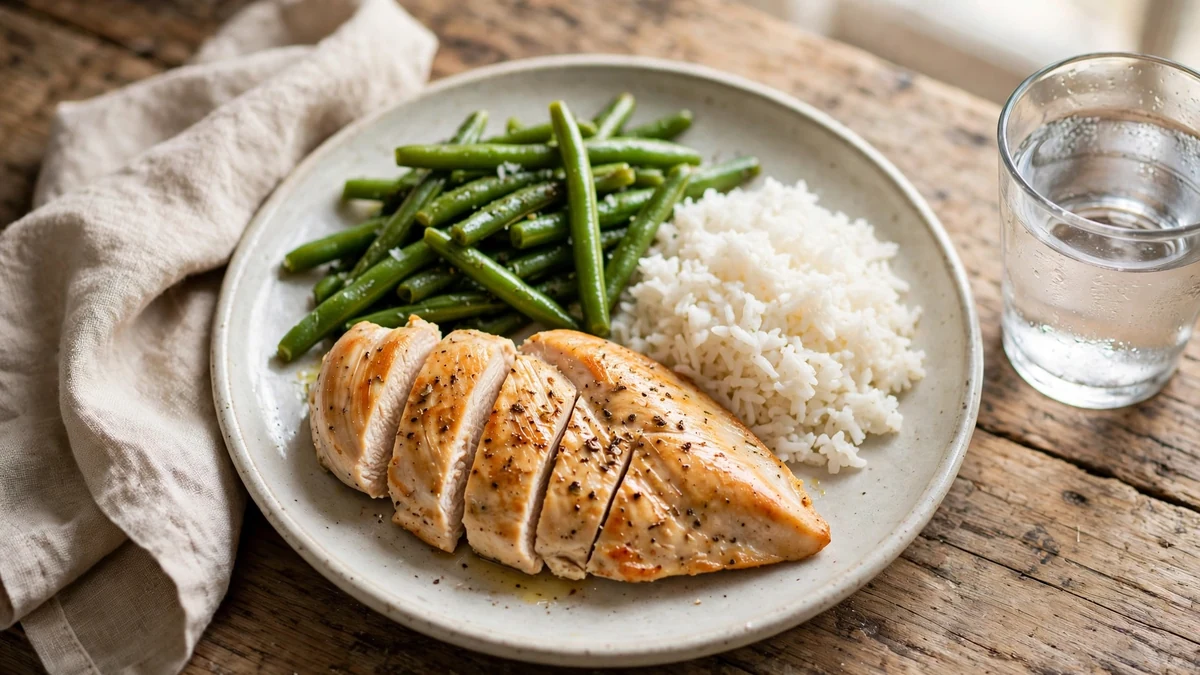
| Dinner | 5 oz cooked chicken breast; 1 cup cooked white rice; 1 cup cooked green beans | about 519 |
| Snacks | 1 medium apple; 1 1/2 cups air-popped popcorn | about 141 |
Day 2 total: about 1501 calories, 104 g protein, 186 g carbohydrate, 40 g fat, 37 g fiber.
Day 3
| Meal | Foods and portions | Calories |
|---|---|---|
| Breakfast | 3/4 cup plain low-fat (2%) Greek yogurt; 1/4 cup granola; 1 cup raspberries | about 335 |
| Lunch | 1 can tuna in water, drained; 1 whole-wheat pita; 1/4 cup hummus; 1/2 cucumber, sliced; 1 medium tomato; 2 cups green leaf lettuce | about 475 |
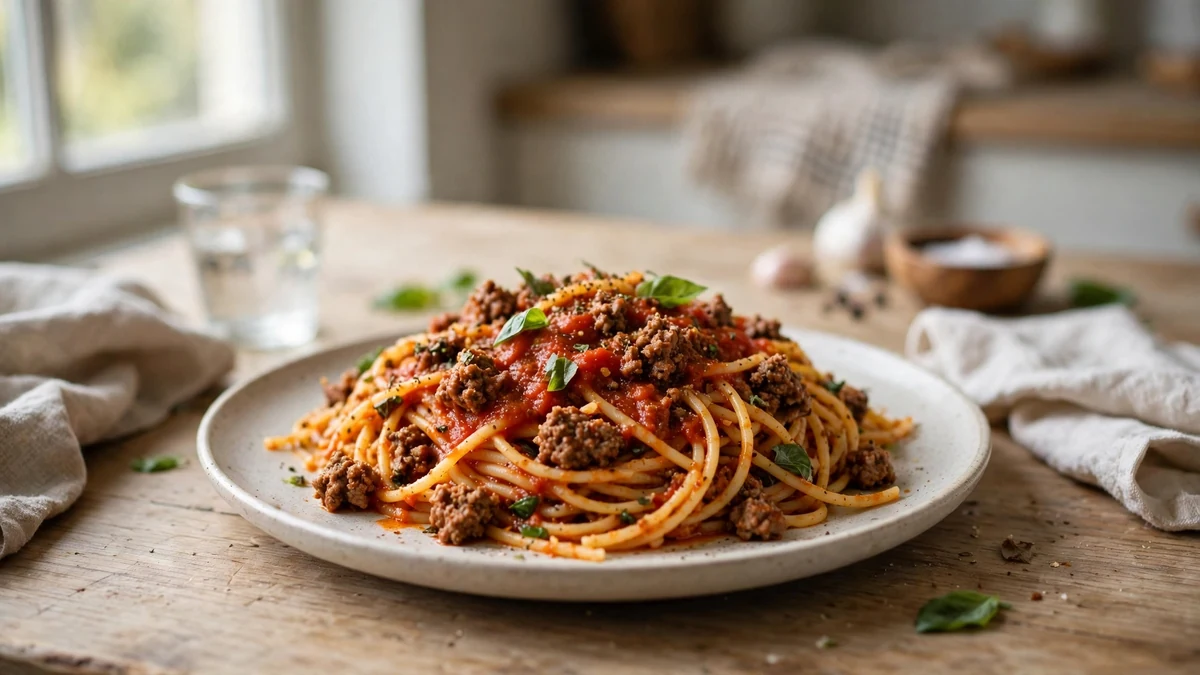
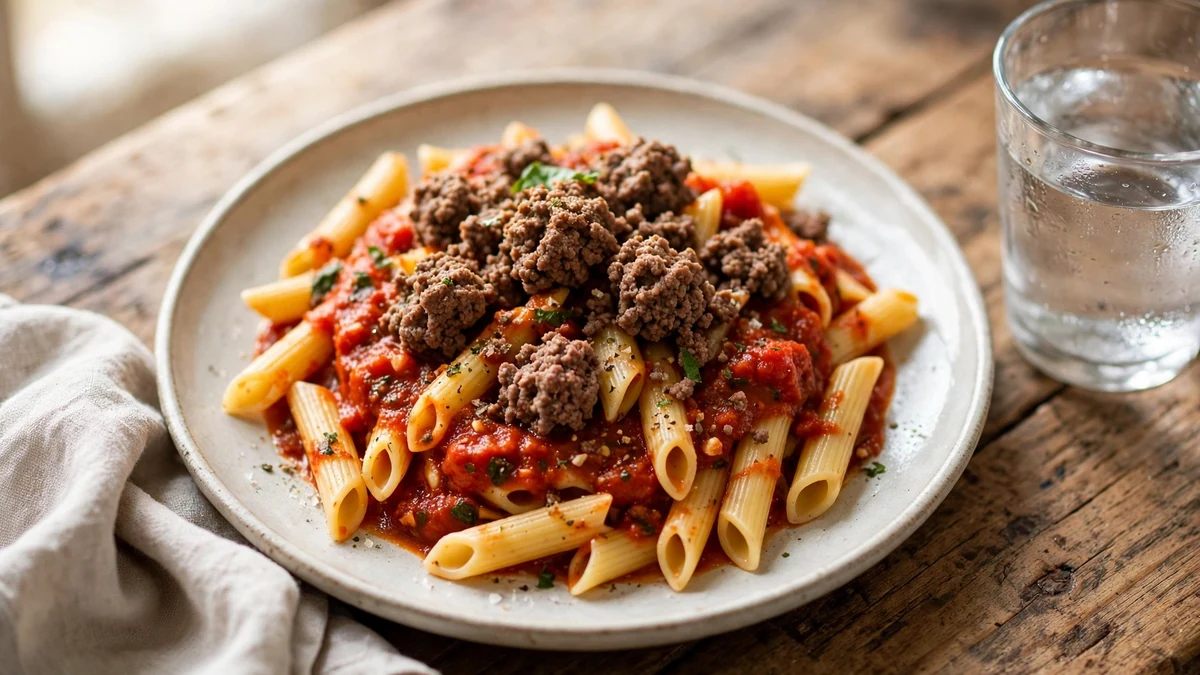
| Dinner | 4 oz cooked lean ground beef (90% lean); 1 cup cooked pasta; 1/2 cup marinara sauce | about 529 |
| Snacks | 1/2 cup low-fat cottage cheese; 1 medium pear | about 183 |
Day 3 total: about 1522 calories, 117 g protein, 179 g carbohydrate, 40 g fat, 30 g fiber.
Day 4
| Meal | Foods and portions | Calories |
|---|---|---|
| Breakfast | 1/2 cup dry rolled oats, cooked; 3/4 cup plain nonfat Greek yogurt; 1 medium banana; 1 tablespoon peanut butter | about 453 |
| Lunch | 1 cup cooked black beans; 2 corn tortillas; 1/4 cup salsa; 1/2 avocado; 2 cups green leaf lettuce | about 490 |
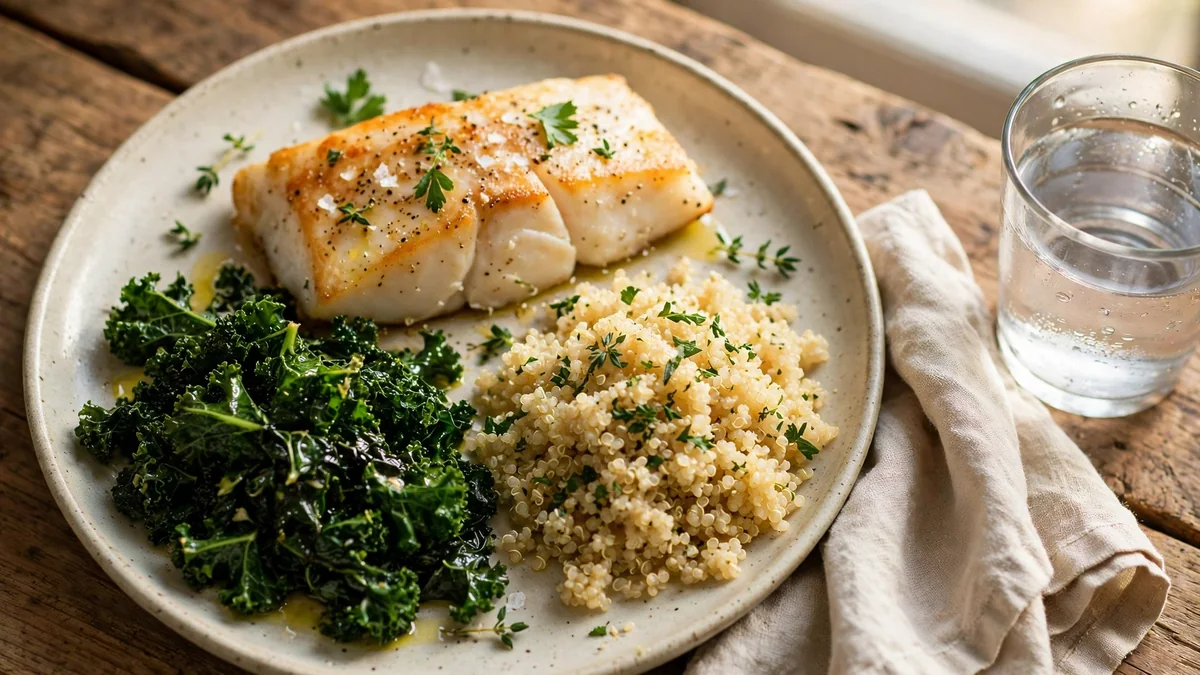
| Dinner | 6 oz cooked cod; 1 cup cooked quinoa; 1 cup cooked kale | about 458 |
| Snacks | 3/4 cup skim milk; 1 cup strawberries | about 113 |
Day 4 total: about 1513 calories, 107 g protein, 207 g carbohydrate, 33 g fat, 45 g fiber.
Day 5
| Meal | Foods and portions | Calories |
|---|---|---|
| Breakfast | 1 large egg; 2 large egg whites; 2 slices whole-wheat toast; 1 oz cheddar cheese; 1 medium tomato, sliced; 1 cup raw spinach | about 417 |
| Lunch | 1 cup cooked chickpeas; 1/2 cucumber, diced; 1 medium bell pepper, diced; 1 oz feta cheese; 1 teaspoon olive oil; 2 cups green leaf lettuce | about 433 |
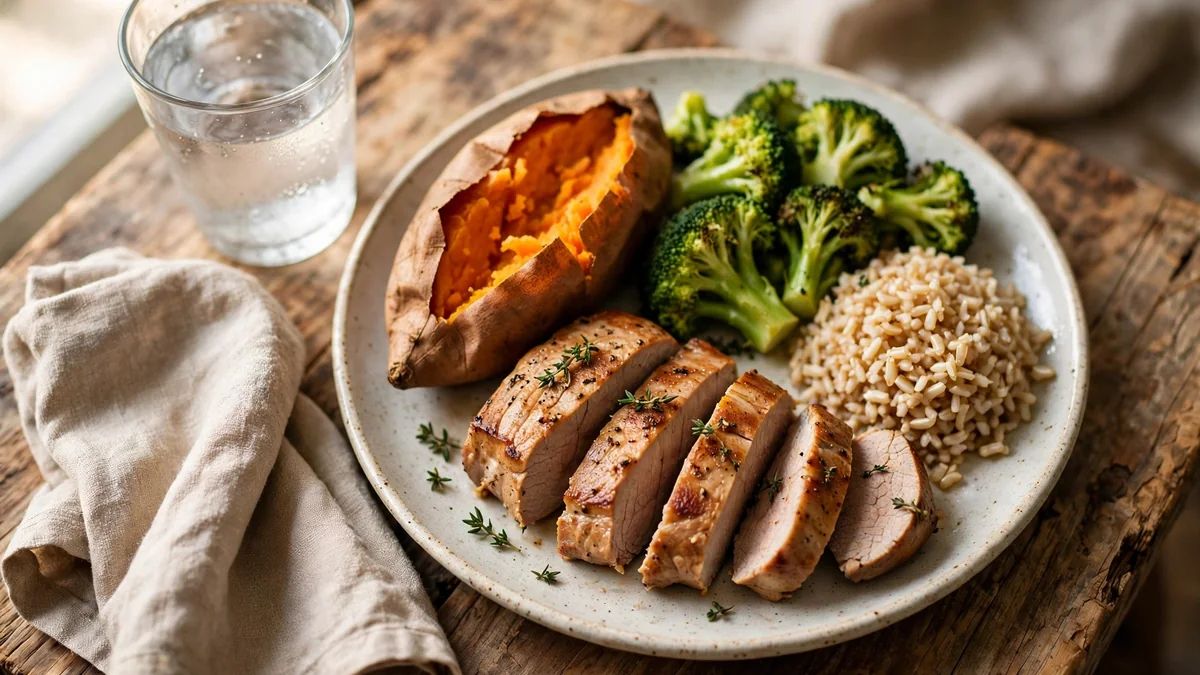
| Dinner | 5 oz cooked pork tenderloin; 1 medium baked sweet potato; 1 cup cooked broccoli; 1/2 cup cooked brown rice | about 475 |
| Snacks | 3/4 cup plain nonfat Greek yogurt; 1 cup blueberries | about 185 |
Day 5 total: about 1509 calories, 115 g protein, 178 g carbohydrate, 41 g fat, 36 g fiber.
Day 6
| Meal | Foods and portions | Calories |
|---|---|---|
| Breakfast | 1 cup low-fat cottage cheese; 1 cup strawberries; 1 slice whole-wheat toast; 1 tablespoon honey | about 356 |
| Lunch | 5 oz cooked chicken thigh, skinless; 1/2 cup cooked brown rice; 1 cup chopped carrots | about 421 |
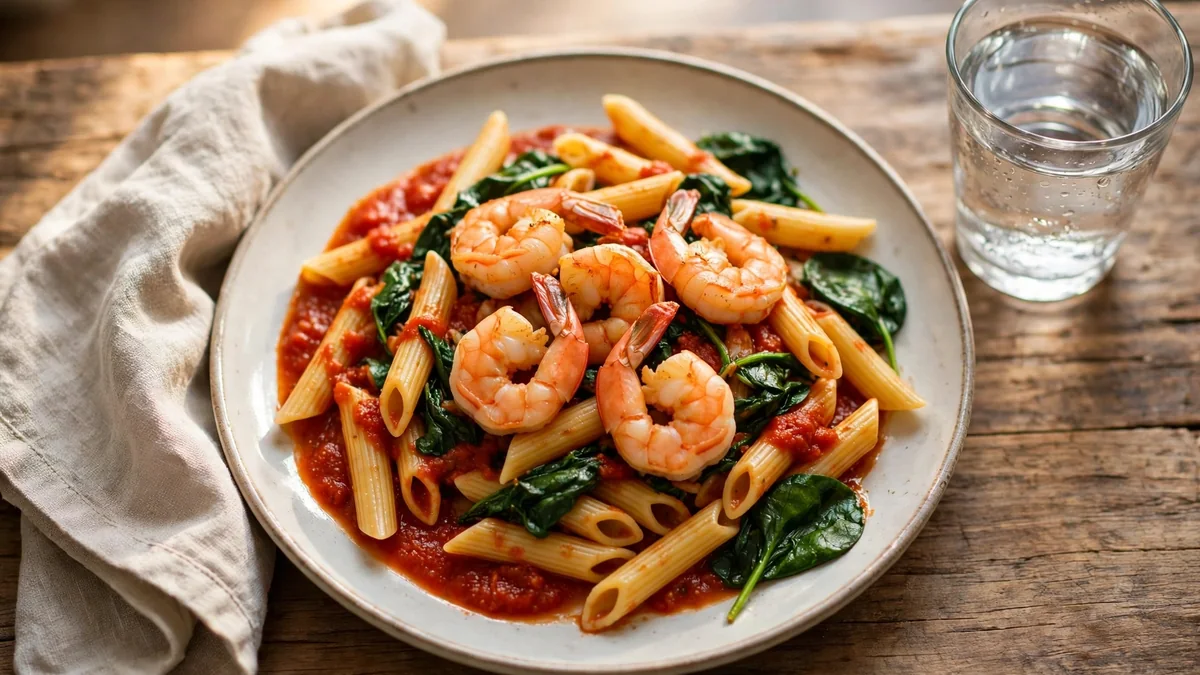
| Dinner | 5 oz cooked shrimp; 1 cup cooked pasta; 1/2 cup marinara sauce; 2 cups raw spinach, wilted into the pasta | about 466 |
| Snacks | 1 medium orange; 1 oz almonds (about 1/4 cup) | about 224 |
Day 6 total: about 1467 calories, 123 g protein, 163 g carbohydrate, 37 g fat, 23 g fiber.
Day 7
| Meal | Foods and portions | Calories |
|---|---|---|
| Breakfast | 1/2 cup dry rolled oats, cooked; 1 cup skim milk; 1 cup raspberries; 1/2 oz walnuts (about 2 tablespoons chopped) | about 393 |
| Lunch | 1 cup cooked kidney beans; 1/2 cup cooked white rice; 1/2 cup cooked corn; 1/4 cup salsa; 1/2 oz cheddar cheese | about 497 |
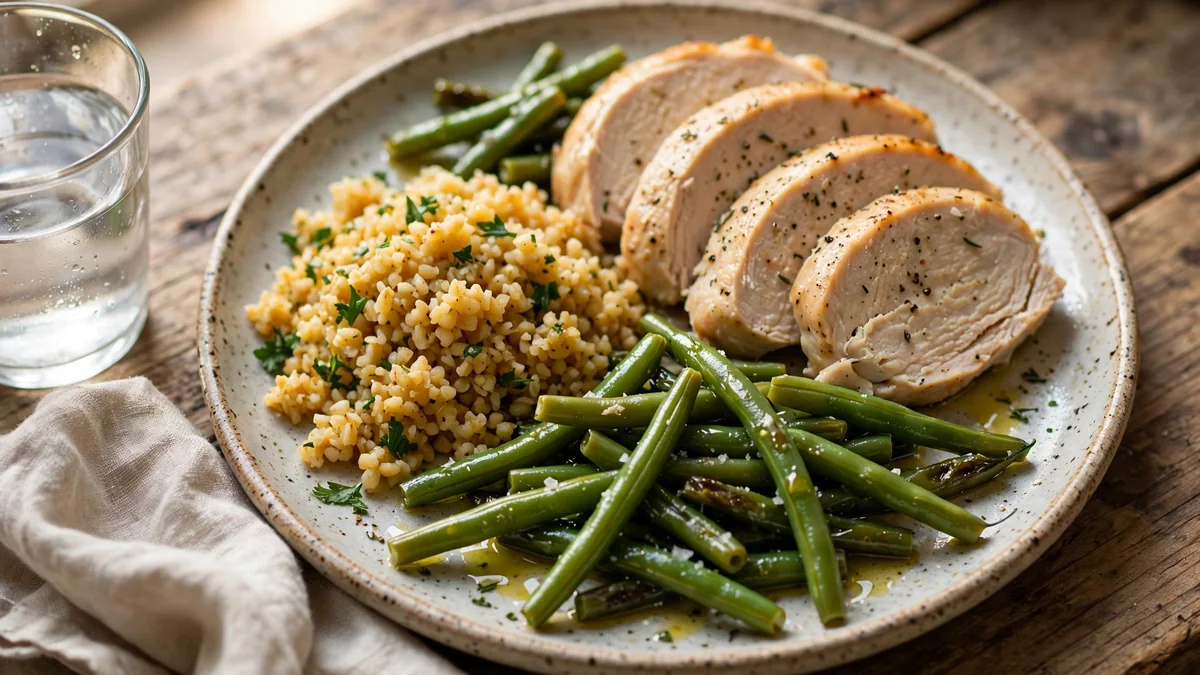
| Dinner | 5 oz cooked turkey breast; 1 cup cooked bulgur; 1 cup cooked green beans; 1 teaspoon olive oil | about 443 |
| Snacks | 1 medium pear; 1 tablespoon peanut butter | about 197 |
Day 7 total: about 1530 calories, 97 g protein, 217 g carbohydrate, 37 g fat, 48 g fiber.
Grocery list
This list covers the full week for one person following the plan as written. Buy at least the quantities the plan uses and keep the pantry staples on hand for repeat weeks.
Produce
- Blueberries
- Green leaf lettuce
- Tomatoes
- Sweet potatoes
- Broccoli
- Strawberries
- Oranges
- Fresh spinach
- Green beans
- Apples
- Raspberries
- Cucumbers
- Pears
- Bananas
- Avocados
- Kale
- Bell peppers
- Carrots
- Corn
Meat and seafood
- Turkey breast
- Salmon fillets
- Chicken breast
- Lean ground beef (90% lean)
- Cod fillets
- Pork tenderloin
- Chicken thighs
- Shrimp
Dairy and eggs
- Skim milk
- Plain nonfat Greek yogurt
- Large eggs
- Cheddar cheese
- Feta cheese
- Plain low-fat Greek yogurt
- Low-fat cottage cheese
- Large eggs (for egg whites)
Pantry
- Rolled oats
- Walnuts
- Hummus
- Brown rice
- Almonds
- Lentils
- Bulgur
- Olive oil
- White rice
- Popcorn for air-popping
- Granola
- Canned tuna in water
- Pasta
- Marinara sauce
- Peanut butter
- Black beans
- Salsa
- Quinoa
- Chickpeas
- Honey
- Kidney beans
Bakery
- Whole-wheat bread
- Whole-wheat pita
- Corn tortillas
Meal prep tips
- Cook the quinoa, bulgur, and brown rice in one session on day 1. Together they cover most of the week’s lunches and dinners.
- Hard boil a batch of eggs at the start of the week for quick breakfasts and snacks.
- Cook the lentils and beans ahead of time. Lentils need no soaking, and both keep four days in the refrigerator.
- Grill or bake the turkey breast, chicken breast, and chicken thigh portions in one batch, then slice and refrigerate.
- Portion the nuts and popcorn into single servings when you buy them. At 1,500 calories, an unmeasured handful matters.
Easy swaps
- Swap turkey breast for chicken breast in the same weight on any day, or the other way around.
- Swap cod for salmon in the same weight at dinner; the day stays close to target.
- Swap lentils, kidney beans, black beans, and chickpeas cup for cup in the bean based lunches.
- Swap quinoa for bulgur or brown rice, cup for cup of cooked grain.
- Swap raspberries for blueberries or strawberries, cup for cup, depending on price and season.
- Swap Greek yogurt for low-fat cottage cheese in the same amount at breakfasts and snacks.
How to adjust the calories safely
Most men should add food to this plan. To add about 300 calories a day, reaching roughly 1,800, choose one: 1 oz of walnuts (about 183 calories) plus 1 cup of skim milk (about 86 calories) plus a medium carrot (about 25 calories); or an extra 1 cup of cooked brown rice split between lunch and dinner (about 228 calories) plus 1 teaspoon of olive oil on your vegetables (about 40 calories). To add about 500 calories a day, reaching roughly 2,000, combine two of those options, or use a full extra snack of 3/4 cup Greek yogurt (about 100 calories), 1/4 cup granola (about 147 calories), and 2 tablespoons of peanut butter (about 191 calories) plus a piece of fruit.
Add food right away if you are losing faster than about 2 pounds a week, feel weak or irritable, cannot get through normal workouts, or are thinking about food constantly. Never go below 1,500 calories a day for men or 1,200 calories a day for women. A level that is too low costs muscle and is hard to sustain, and a registered dietitian can set a better target for your size and activity.
Common mistakes
- Choosing 1,500 calories because it sounds faster. For most men it is below what they need, and the usual result is a few hard weeks, lost muscle, and quitting.
- Skipping the snack to save calories. The snack is part of the design; skipping it usually leads to a much larger dinner.
- Pouring nuts, cheese, and olive oil without measuring. These foods are nutritious and calorie dense at the same time, and an unmeasured handful can add several hundred calories.
- Drinking calories in juice, soda, sweet tea, sports drinks, or coffee drinks. None of them are in the plan, and one large sweet drink can erase the day’s deficit.
- Cutting protein to save calories. Protein is what protects your muscle at this level; cut elsewhere if you adjust portions.
Pair it with a workout
Keep training moderate while you eat at this level. Browse the walking plans and beginner strength routines in our Exercise and Workouts category, favor walking and two shorter strength sessions a week, and add food from the adjustment section on hard training days. Stop any exercise that causes pain, dizziness, or chest pain, and check with your doctor before starting if you have been inactive or have a medical condition.
Frequently asked questions
Is 1,500 calories enough for a man?
For a smaller, sedentary man it can be a workable short term weight loss level. For most men it is not enough, which is why this page treats 1,500 as a floor rather than a default. If you are tall, active, or losing faster than about 2 pounds a week, use the adjustment section or pick a higher plan.
Why is the protein so high for a low calorie plan?
When calories are low, your body is more likely to use muscle along with fat. Spreading roughly 110 grams of protein across the day, with protein at every meal, helps protect muscle while the deficit does its work.
Can I follow this plan for longer than a week?
You can repeat the week, but check in with yourself honestly after two to three weeks. Ongoing fatigue, stalled training, constant hunger, or hair shedding are signs the level is too low for you and you should add food and talk with a registered dietitian.
What can I drink on this plan?
Water is the default. Plain coffee and unsweetened tea have almost no calories and fit the plan as written. The numbers do not include milk, cream, or sugar added to drinks, so count those as extra if you use them.
Do I have to eat the snack every day?
The snack is part of the calorie design, not an extra. If you prefer three meals, move the snack foods into the nearest meal rather than dropping them, so the day still adds up to the written total.
What if I do not eat fish?
Swap the salmon, cod, and shrimp meals for the same weight of cooked chicken breast or turkey breast, or for 125 g of firm tofu. The day totals land close to the written numbers and the plan keeps its structure.
Sources and further reading
- USDA FoodData Central, the source for every calorie and nutrient value in this plan: fdc.nal.usda.gov
- Dietary Guidelines for Americans, for the overall healthy eating pattern this plan follows: dietaryguidelines.gov
- MyPlate, for balanced plate ideas built from the same food groups: myplate.gov
- Centers for Disease Control and Prevention, for healthy weight guidance: cdc.gov
- MedlinePlus, for plain language background on weight loss and meal planning: medlineplus.gov
This article is for general educational purposes only and is not medical, nutrition, or fitness advice. Talk with your doctor or a registered dietitian before changing your diet or starting an exercise program.