Prints just the plan, like a recipe card.
Last updated: November 22, 2026.
This gentle digestion meal plan gives you seven days of eating at about 1,500 calories a day, built from simple, mild, well-cooked foods: oats, white rice, eggs, yogurt, bananas, chicken, fish, and vegetables cooked until soft. Breakfasts and lunches carry a little more of the day’s food, and dinners are kept smaller, which many people find more comfortable in the evening. Every meal lists exact foods and US portions, and every calorie and macro number on this page was calculated from USDA FoodData Central values for the portions listed.
The cooking style is plain on purpose. Foods are baked, steamed, boiled, or simmered rather than fried, rich sauces and heavy spices are left out, and legumes appear only once, as a small portion of lentils, which many people find the gentlest of the beans and lentils. Protein averages about 114 grams a day, spread across the day in moderate portions.
This plan sits in our By Diet Style collection, part of the full Diet Plans library. It uses many of the same grocery staples as our 7-Day No-Sugar Mediterranean Diet Meal Plan, prepared more simply and with softer textures.
Who this plan is for, and who should not follow it
This plan is for adults who prefer mild, simply cooked food, whether because rich or heavily spiced meals do not sit well with them or because they are returning to regular eating after a period of eating lightly. The meals use familiar grocery foods, short ingredient lists, and no specialty products.
This page is general education only and is not medical advice. This plan does not diagnose or treat any digestive condition, and it is not a medical diet for any illness. If you have ongoing digestive symptoms, a diagnosed digestive condition, or you take medication affected by food or weight change, review this plan with your doctor or a registered dietitian before following it, and never change or stop medication based on a meal plan. Readers with ongoing or worsening symptoms should see a doctor rather than relying on a meal plan. Do not follow this plan if you are under 18, pregnant, or breastfeeding.
If you have a history of disordered eating, talk with a doctor or a registered dietitian before following any diet plan. For eating disorder support in the US, visit the National Alliance for Eating Disorders at allianceforeatingdisorders.com.
Plan overview
| Measure | Amount |
|---|---|
| Target calories per day | about 1,500 |
| Average calories per day (as written) | about 1471 |
| Average protein per day | about 114 g |
| Average carbohydrate per day | about 182 g |
| Average fat per day | about 34 g |
| Average fiber per day | about 25 g |
| Meals per day | 4 (breakfast, lunch, dinner, and snacks) |
Dinners are the smallest main meal of the day, at roughly 320 to 405 calories, while breakfasts and lunches carry more. Vegetables in the plan are served cooked until soft, and raw salads appear only in small amounts at lunch. If a particular food in the plan does not agree with you personally, use the swaps section and note it for your doctor or dietitian.
How this gentle digestion meal plan is built
Three habits organize the week. First, texture: vegetables are cooked until soft, oats are cooked into porridge, and proteins are baked, poached, or simmered rather than fried or heavily browned. Second, size: meals are moderate and evenly spaced, with the evening meal kept smaller and eaten earlier where your schedule allows. Third, simplicity: each plate has a few plainly prepared foods, seasoned with salt, mild herbs, lemon, or a little honey rather than hot spices, garlic heavy sauces, or rich gravies.
Personal tolerance varies a lot, and no single list fits everyone. Treat this week as a calm starting point, pay attention to which meals sit most comfortably for you, and bring those notes to your doctor or registered dietitian if you have ongoing symptoms. Persistent pain, vomiting, blood in the stool, or unexplained weight loss are reasons to see a doctor promptly, not reasons to adjust a meal plan.
The 7-day gentle digestion meal plan
Portions are given in US household measures. Calories for each meal and day were calculated from USDA FoodData Central values for the exact foods and amounts listed. Cook vegetables until soft, choose mild seasonings, and eat slowly. Drink water through the day; unsweetened tea or black coffee is fine if it agrees with you.
Day 1
| Meal | Foods and portions | Calories |
|---|---|---|
| Breakfast | 1/2 cup dry rolled oats, cooked; 3/4 cup skim milk; 1 medium banana; 1 large egg, boiled | about 399 |
| Lunch | 4 oz cooked chicken breast; 1 cup cooked white rice; 1 cup chopped carrots, cooked until soft; 1 teaspoon olive oil | about 519 |
| Dinner | 6 oz cooked cod; 1 medium baked sweet potato; 1 cup cooked green beans | about 325 |
| Snacks | 3/4 cup plain nonfat Greek yogurt; 1 cup strawberries; 1 tablespoon honey | about 213 |
Day 1 total: about 1455 calories, 122 g protein, 196 g carbohydrate, 21 g fat, 22 g fiber.
Day 2
| Meal | Foods and portions | Calories |
|---|---|---|
| Breakfast | 2 large eggs; 1 slice whole-wheat toast; 1 medium banana; 3/4 cup skim milk | about 405 |
| Lunch | 4 oz cooked turkey breast; 1 cup cooked white rice; 1 cup cooked green beans; 1 teaspoon olive oil | about 490 |
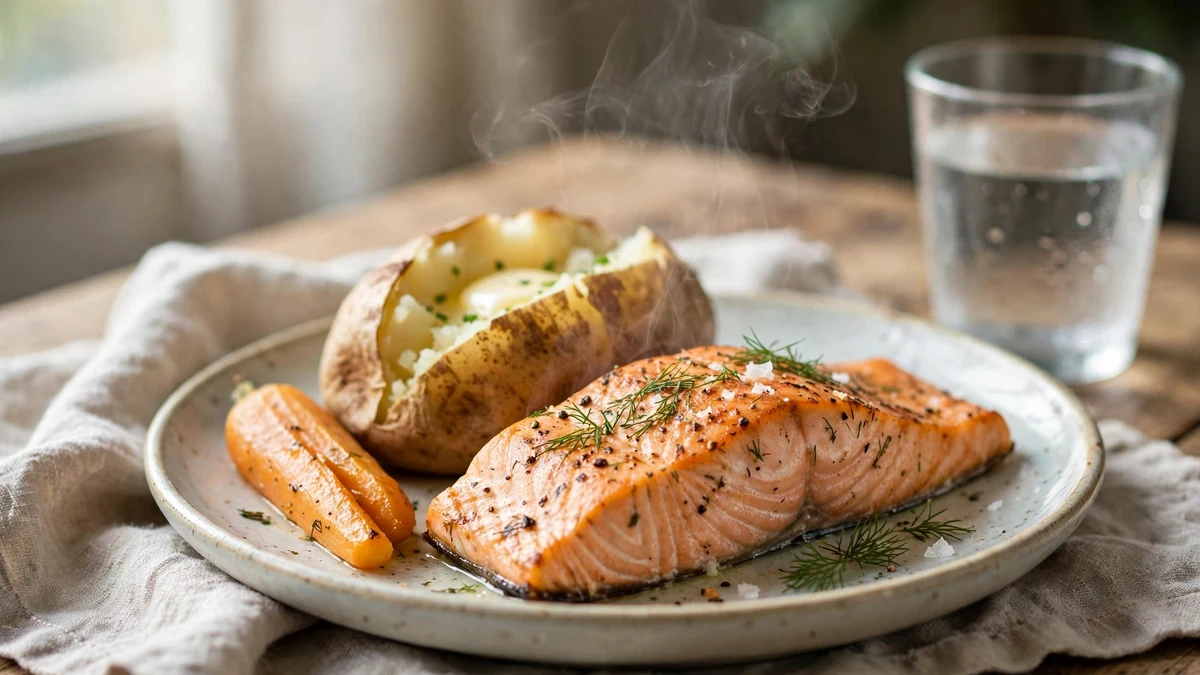
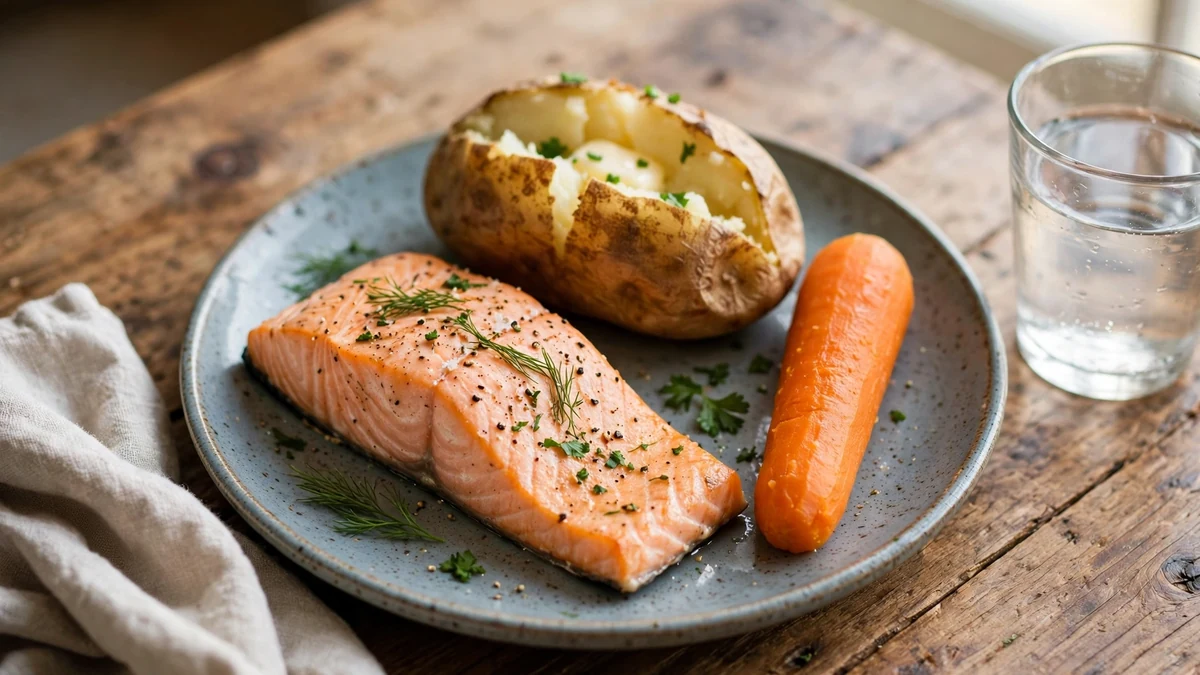
| Dinner | 4 oz cooked salmon; 1 medium baked potato; 1 medium carrot, cooked until soft | about 381 |
| Snacks | 1/2 cup low-fat cottage cheese; 1 medium pear | about 183 |
Day 2 total: about 1459 calories, 113 g protein, 183 g carbohydrate, 31 g fat, 20 g fiber.
Day 3
| Meal | Foods and portions | Calories |
|---|---|---|
| Breakfast | 1 cup plain 2% Greek yogurt; 1/2 cup dry rolled oats; 1 cup blueberries | about 415 |
| Lunch | 2 large eggs; 2 slices whole-wheat bread; 1/2 avocado; 1 medium tomato | about 458 |
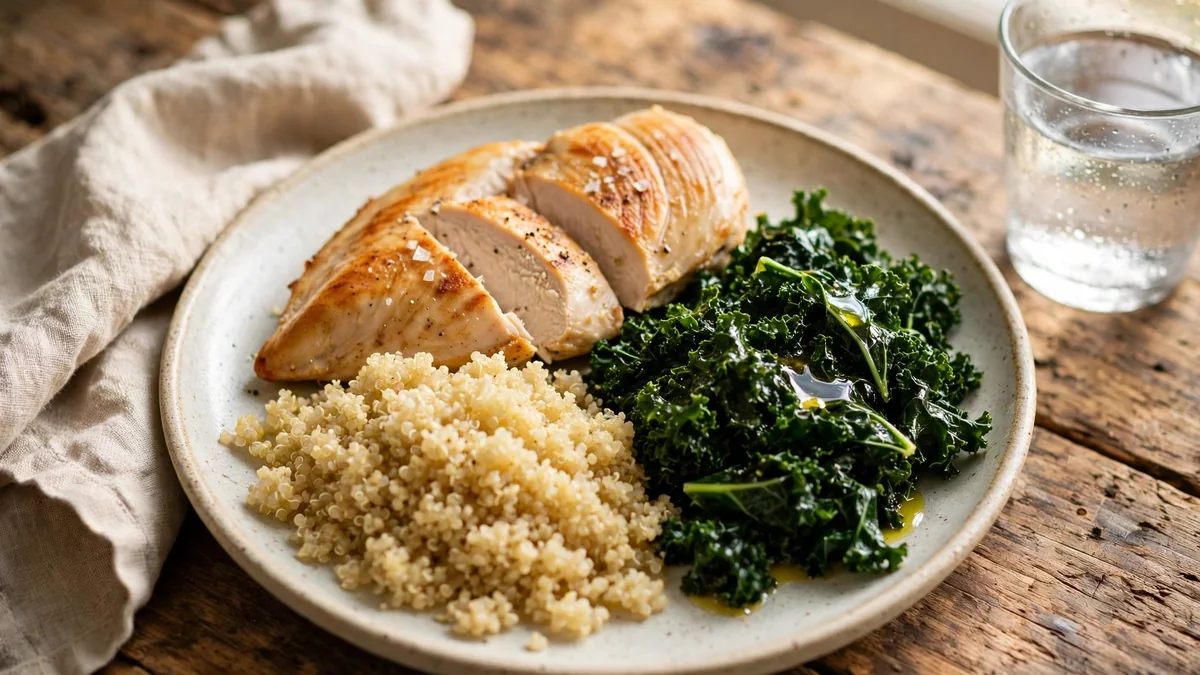
| Dinner | 4 oz cooked chicken breast; 1/2 cup cooked quinoa; 1 cup cooked kale; 1 teaspoon olive oil | about 395 |
| Snacks | 1 medium banana; 1 tablespoon peanut butter | about 201 |
Day 3 total: about 1469 calories, 102 g protein, 155 g carbohydrate, 52 g fat, 27 g fiber.
Day 4
| Meal | Foods and portions | Calories |
|---|---|---|
| Breakfast | 1/2 cup dry rolled oats, cooked; 3/4 cup skim milk; 1 cup strawberries; 1 large egg, boiled; 1/2 oz walnuts (about 2 tablespoons chopped) | about 434 |
| Lunch | 6 oz cooked cod; 1 cup cooked white rice; 1 cup cooked green beans | about 463 |
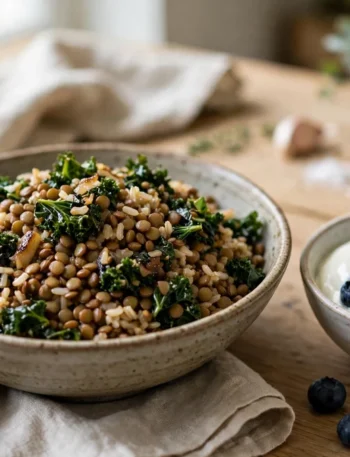
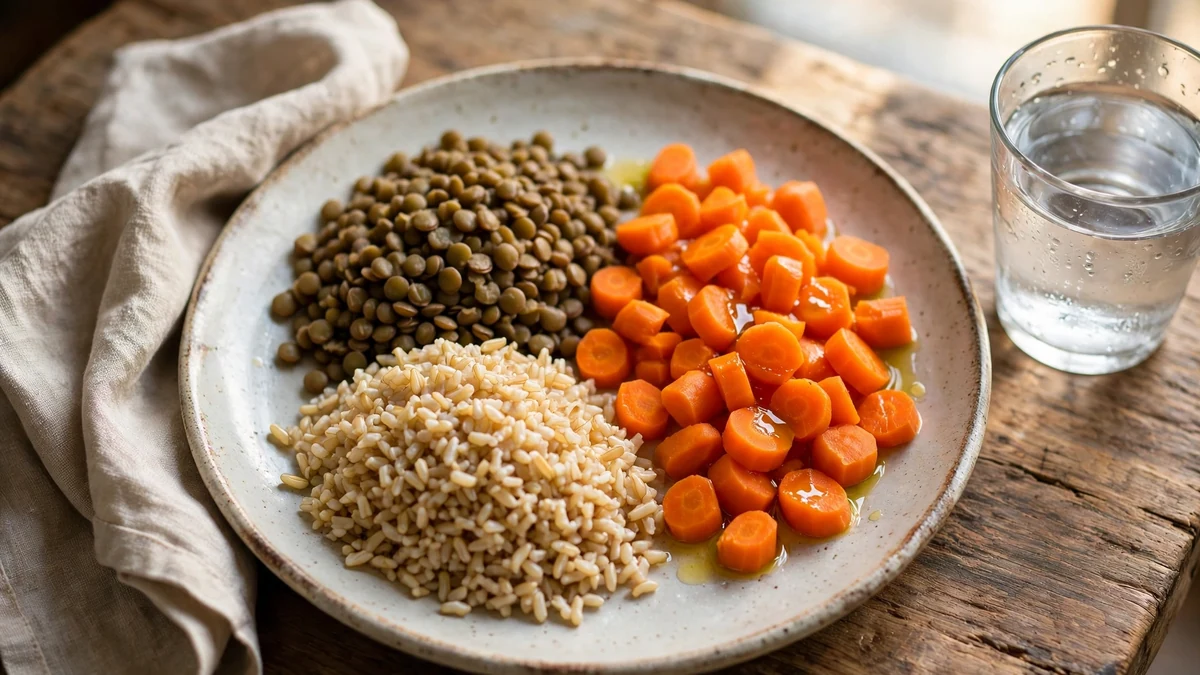
| Dinner | 1/2 cup cooked lentils; 1/2 cup cooked brown rice; 1 cup chopped carrots, cooked until soft; 1 teaspoon olive oil | about 320 |
| Snacks | 3/4 cup plain nonfat Greek yogurt; 1 cup grapes; 1 tablespoon honey | about 268 |
Day 4 total: about 1484 calories, 98 g protein, 218 g carbohydrate, 27 g fat, 27 g fiber.
Day 5
| Meal | Foods and portions | Calories |
|---|---|---|
| Breakfast | 1 large egg; 2 egg whites; 2 slices whole-wheat toast; 1 orange; 3/4 cup skim milk | about 399 |
| Lunch | 5 oz cooked chicken breast; 1 cup cooked pasta; 1/2 cup marinara sauce; 2 cups spinach, wilted into the sauce | about 532 |
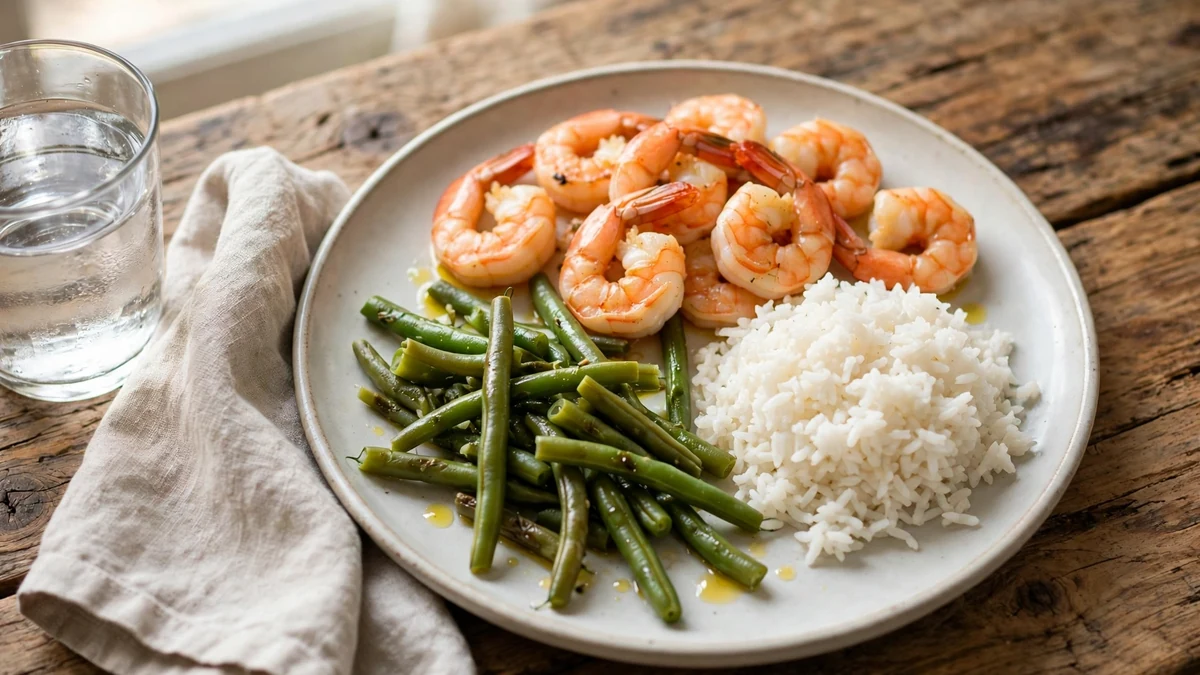
| Dinner | 4 oz cooked shrimp; 1/2 cup cooked white rice; 1 cup cooked green beans; 1 teaspoon olive oil | about 339 |
| Snacks | 1 medium apple; 1/2 cup low-fat cottage cheese | about 176 |
Day 5 total: about 1446 calories, 130 g protein, 173 g carbohydrate, 25 g fat, 22 g fiber.
Day 6
| Meal | Foods and portions | Calories |
|---|---|---|
| Breakfast | 1/2 cup dry rolled oats, cooked; 1 tablespoon peanut butter; 3/4 cup skim milk; 1 medium banana | about 417 |
| Lunch | 1 can tuna in water, drained; 2 slices whole-wheat bread; 1/2 cucumber, sliced; 1 cup green leaf lettuce; 1/2 avocado | about 455 |
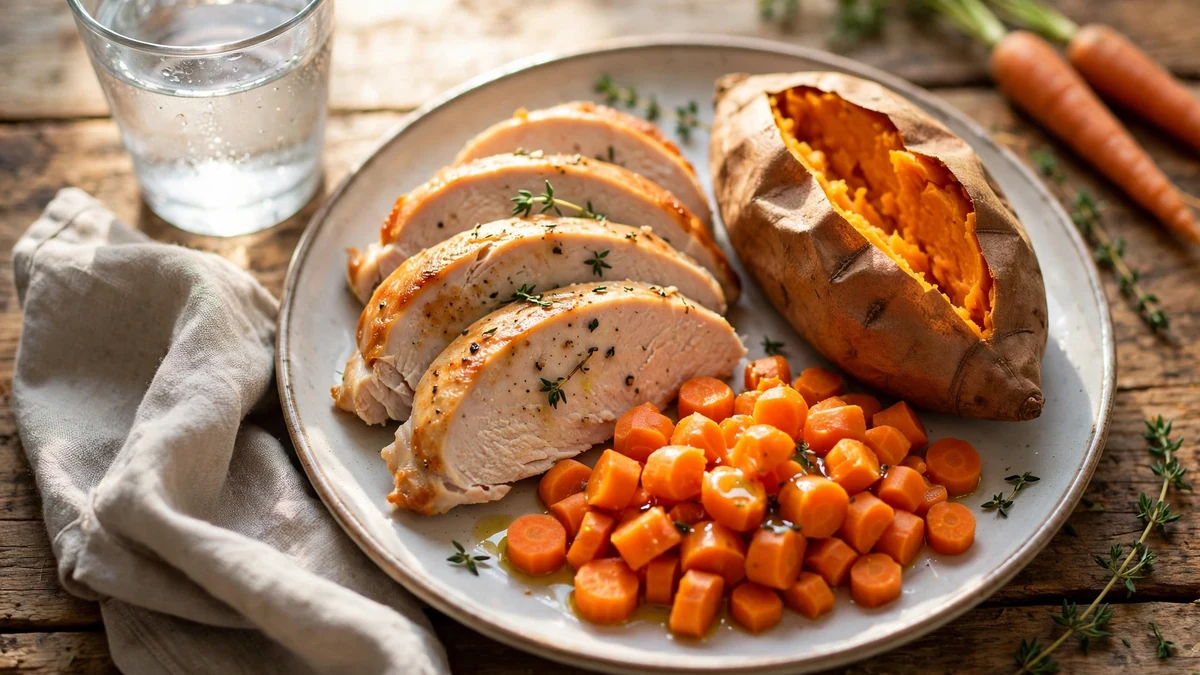
| Dinner | 5 oz cooked turkey breast; 1 medium baked sweet potato; 1 cup chopped carrots, cooked until soft; 1 teaspoon olive oil | about 404 |
| Snacks | 3/4 cup plain nonfat Greek yogurt; 1 cup raspberries; 1 tablespoon honey | about 228 |
Day 6 total: about 1504 calories, 120 g protein, 179 g carbohydrate, 38 g fat, 33 g fiber.
Day 7
| Meal | Foods and portions | Calories |
|---|---|---|
| Breakfast | 3/4 cup plain nonfat Greek yogurt; 1/4 cup granola; 1 cup strawberries; 1 large egg, boiled | about 373 |
| Lunch | 4 oz cooked salmon; 1 cup cooked white rice; 1 cup cooked green beans; 1 teaspoon olive oil | about 530 |
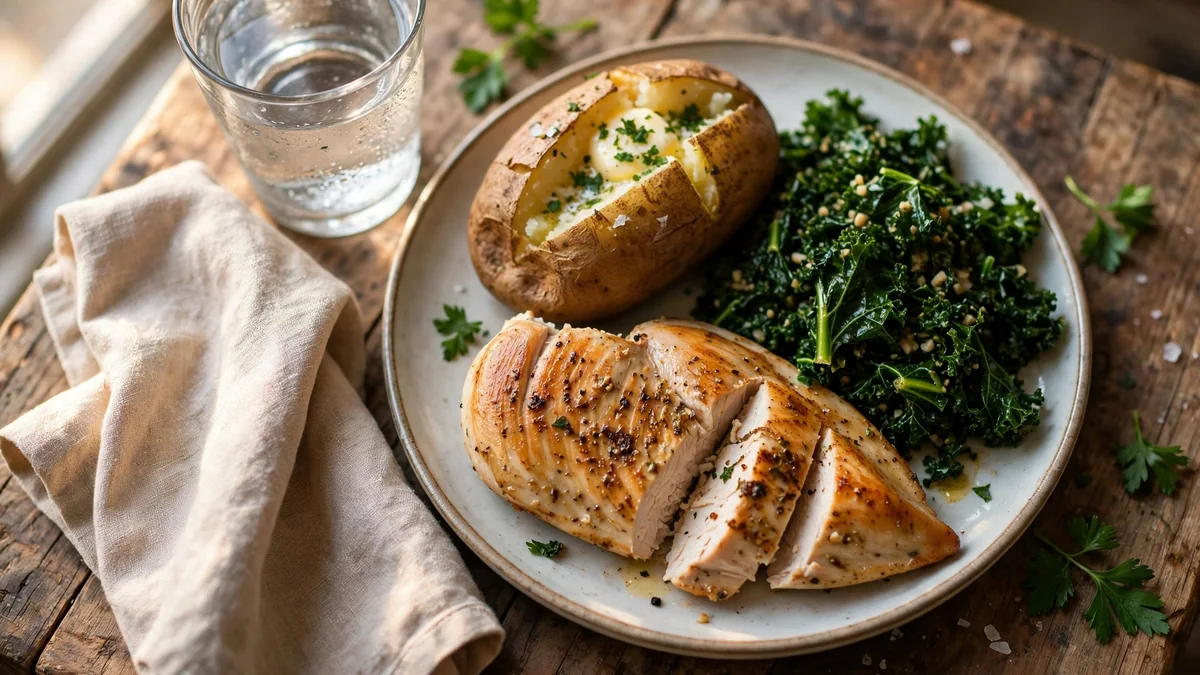
| Dinner | 4 oz cooked chicken breast; 1 medium baked potato; 1 cup cooked kale | about 394 |
| Snacks | 1 medium pear; 1/2 oz almonds (about 12 almonds) | about 183 |
Day 7 total: about 1480 calories, 111 g protein, 167 g carbohydrate, 41 g fat, 24 g fiber.
Grocery list
Produce
- Bananas, strawberries, blueberries, raspberries, apples, pears, oranges, and grapes
- Green beans, carrots, kale, and spinach
- Tomatoes, cucumbers, and green leaf lettuce
- Sweet potatoes and white potatoes
- Avocados
Meat and seafood
- Chicken breast and turkey breast
- Salmon fillets, cod fillets, and shrimp
Dairy and eggs
- Eggs and egg whites
- Plain nonfat Greek yogurt and plain 2% Greek yogurt
- Low-fat cottage cheese
- Skim milk
Pantry
- Rolled oats and granola
- White rice, brown rice, quinoa, and pasta
- Lentils (dry or canned, rinsed)
- Canned tuna in water
- Marinara sauce
- Peanut butter, almonds, and walnuts
- Olive oil and honey
Frozen
- Frozen berries as a backup for fresh fruit
- Frozen green beans as a backup for fresh vegetables
Bakery
- Whole-wheat bread
Meal prep tips
- Cook white rice in one batch on day 1 and refrigerate it in measured portions; it reheats softly with a splash of water.
- Boil several eggs at once for breakfasts and snacks through the week.
- Cook carrots and green beans until fully soft and store them in portions, so dinners come together quickly.
- Bake several sweet potatoes and white potatoes at once; they reheat well for lunches and dinners.
- Portion the evening snack when you plate dinner, so the smaller dinner still ends the day comfortably.
Easy swaps
- Swap cod for salmon or chicken breast in the same portion; the day total stays close.
- Swap white rice for quinoa or brown rice in the same portion if those agree with you.
- Swap cooked carrots for cooked green beans or kale in equal amounts.
- Swap plain Greek yogurt for low-fat cottage cheese in equal amounts.
- Swap a banana for a pear or a cup of grapes at snacks.
- If the lentil dinner does not agree with you, swap it for the same calories of chicken breast and white rice from another day.
How to adjust the calories safely
This plan averages about 1,471 calories a day as written. If you are a man, are tall or active, or are losing weight faster than about 1 to 2 pounds a week, add about 200 to 300 calories a day using gentle foods already in the plan: 1 medium banana (about 105 calories) plus 3/4 cup of plain nonfat Greek yogurt (about 100 calories) adds about 205 calories. Add the extra food at breakfast, lunch, or the snacks rather than making dinner bigger, to keep the smaller evening meal pattern.
Never go below 1,200 calories a day for women or 1,500 calories a day for men. Men following this plan should use the adjustment above every day, because 1,500 calories is the minimum level for men, not a target most men should aim at.
Common mistakes
- Making dinner the largest meal of the day out of habit, when the plan is built around a smaller evening meal.
- Frying foods or using rich, heavy sauces that the plan deliberately leaves out.
- Eating very quickly or in large, widely spaced meals instead of the moderate, regular meals in the plan.
- Using a meal plan to put off seeing a doctor about ongoing digestive symptoms; persistent symptoms need medical attention, not menu changes.
- Treating a meal plan as a substitute for medical care, or changing medication because eating went well for a week.
Pair it with a workout
Gentle, regular movement suits this plan well, and the walking plans and beginner routines in our Exercise and Workouts category are a calm place to start. Many people prefer a relaxed walk a little while after meals rather than vigorous exercise right after eating. Build up gradually, and stop any exercise that causes pain, dizziness, or chest pain.
Frequently asked questions
Does this plan treat reflux, IBS, or another digestive condition?
No. It does not diagnose or treat any condition, and it is not a medical or elimination diet. It is simply a week of mild, well-cooked, moderate sized meals. If you have a diagnosed condition or ongoing symptoms, review the plan with your doctor or registered dietitian before following it.
Why are dinners smaller than the other meals?
Many people find a smaller evening meal more comfortable, especially if they eat dinner a few hours before bed. The day’s calories are made up at breakfast, lunch, and the snacks instead, so the total still averages about 1,500 calories.
What if a food in the plan does not agree with me?
Swap it using the swaps section and make a note of it. Personal tolerance varies widely, and a short list of the foods that bother you is genuinely useful information to bring to your doctor or registered dietitian.
When should I see a doctor instead of adjusting my meals?
See a doctor promptly for ongoing or worsening symptoms, and right away for severe pain, vomiting, blood in the stool, trouble swallowing, or unexplained weight loss. A meal plan is not the right tool for symptoms like those.
Can men follow this plan?
Yes, with the adjustment section used every day, added at breakfast, lunch, or snacks. At about 1,500 calories the plan sits at the minimum level for men, and most men will feel and do better adding the extra 200 to 300 calories described above.
Sources and further reading
- USDA FoodData Central, the source for every calorie and nutrient value in this plan: fdc.nal.usda.gov
- MedlinePlus, plain language health background from the US National Library of Medicine: medlineplus.gov
- Dietary Guidelines for Americans, for the overall eating pattern this plan follows: dietaryguidelines.gov
This article is for general educational purposes only and is not medical, nutrition, or fitness advice. Talk with your doctor or a registered dietitian before changing your diet or starting an exercise program.