Prints just the plan, like a recipe card.
Last updated: November 22, 2026.
This meal plan for seniors over 65 gives you 7 days of breakfasts, lunches, dinners, and snacks at about 1,600 calories a day, written for adults who want to lose weight gradually without shortchanging protein. Protein averages about 113 grams a day from Greek yogurt, eggs, cottage cheese, salmon, chicken, lentils, and milk, because keeping muscle matters more, not less, as the years add up. The menus lean on foods that are easy to chew and easy to prepare: oatmeal, yogurt, soups and stews, tender baked fish, mashed and baked potatoes, and soft fruits. Every portion is listed in plain US measures, and every number was calculated from USDA FoodData Central values. More plans like this one live in our By Lifestyle diet plans.
Who this plan is for, and who should not follow it
This plan is for adults over 65 who cook at home and want a clear, gentle week: nothing fussy, nothing that needs much chewing effort, and protein at every meal. It fits people who have been told by their doctor that gradual weight loss would help and who want the structure written out in full rather than left to guesswork.
This plan is not medical advice, and it is not a treatment for any condition. Talk with your doctor or a registered dietitian before following it, especially if you have diabetes, kidney disease, heart disease, swallowing difficulties, or another condition affected by food, or if you take medication that food or weight change can affect. Appetite and unintentional weight loss can be warning signs after 65, so mention both to your doctor rather than assuming a diet is the answer. It is not for children or teenagers, and it is not for anyone who is pregnant or breastfeeding.
If you have a history of disordered eating, talk with a doctor or a registered dietitian before following any diet plan. For eating disorder support in the US, visit the National Alliance for Eating Disorders at allianceforeatingdisorders.com.
Plan overview
| Daily calorie target | About 1600 calories |
| Average protein per day | About 113 g |
| Average carbohydrate per day | About 191 g |
| Average fat per day | About 47 g |
| Average fiber per day | About 38 g |
| Meals per day | 4 (breakfast, lunch, dinner, and snacks) |
Protein averages about 113 grams a day and fiber about 38 grams, both on the higher side for 1,600 calories, because both help older adults stay full, regular, and strong. Dairy or another calcium-rich food appears most days through yogurt, cottage cheese, cheese, milk, kale, and calcium-set tofu.
How this meal plan for seniors over 65 is built
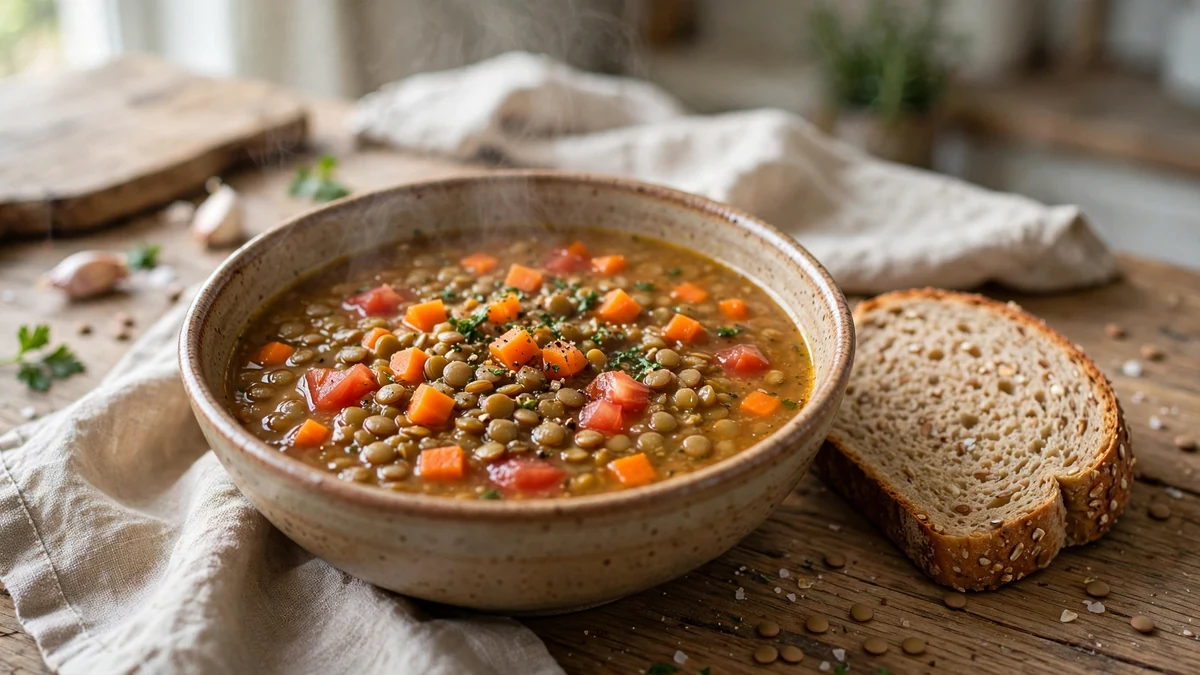
Texture was planned, not accidental. Lentils are served as a soft soup with carrots and tomatoes. Potatoes are baked until soft. Fish is baked or simmered rather than grilled hard. Chickpeas are mashed lightly with a fork before the salad is dressed, and raw vegetables are kept to softer choices like cucumber and tomato, with carrot sticks replaced by cooked carrots where chewing is a concern.
Protein is spread across the whole day, because a yogurt or egg breakfast plus a protein lunch protects muscle better than saving it all for dinner. If chewing raw nuts is difficult, the walnuts and almonds in this plan can be swapped for the same calories of peanut butter, which the swaps section covers. If you want to see how 1,600 calories compares with your own needs, our calorie calculator gives a general estimate to discuss with your doctor or dietitian.
The 7-day meal plan
Portions are given in US household measures. Calories for each meal and day were calculated from USDA FoodData Central values for the exact foods and amounts listed. Cook fish and poultry thoroughly, refrigerate leftovers within 2 hours, and use leftovers within 3 to 4 days.
Day 1
| Meal | What to eat | Calories |
|---|---|---|
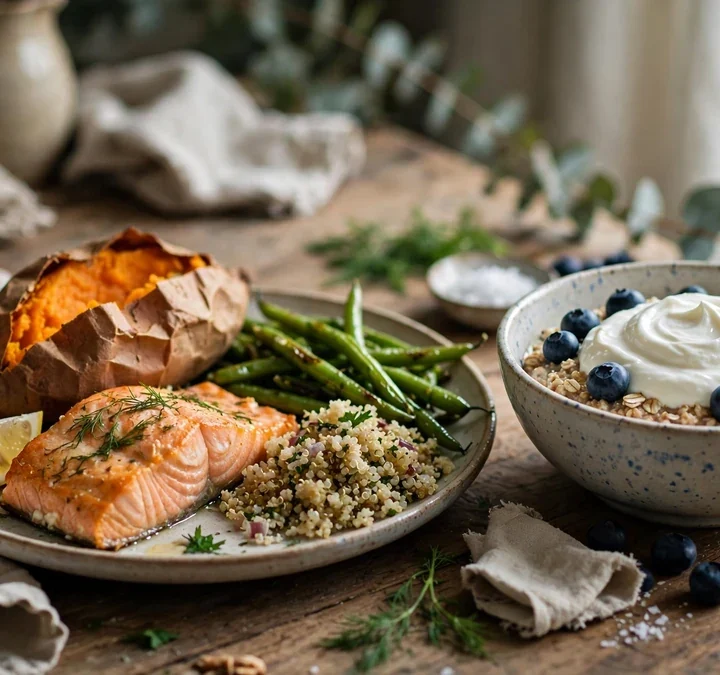
| Breakfast | 1/2 cup dry rolled oats; 3/4 cup plain low-fat Greek yogurt; 1 cup blueberries; 1 tablespoon maple syrup | about 412 |
| Lunch | 1 cup cooked lentils; 1 cup chopped carrots; 1/2 cup crushed canned tomatoes; 2 teaspoons olive oil; 1 slice whole-wheat bread | about 470 |
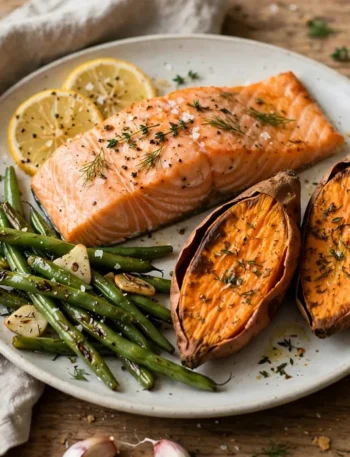
| Dinner | 5 oz cooked salmon; 1 medium baked sweet potato; 1 cup cooked green beans; 1/2 cup cooked quinoa | about 516 |
| Snacks | 1 oz dark chocolate (70% cacao); 1 cup skim milk | about 253 |
Day 1 total: about 1652 calories, 103 g protein, 219 g carbohydrate, 44 g fat, 44 g fiber.
Day 2
| Meal | What to eat | Calories |
|---|---|---|
| Breakfast | 1 cup low-fat cottage cheese; 1 medium pear; 1 oz walnuts (about 1/4 cup) | about 447 |
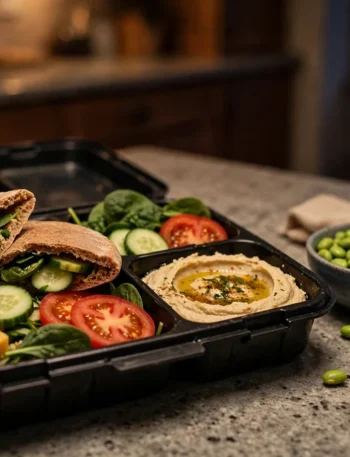
| Lunch | 1 can tuna in water, drained; 2 slices whole-wheat bread; 2 tablespoons hummus; 2 cups green leaf lettuce; 1 medium tomato | about 401 |
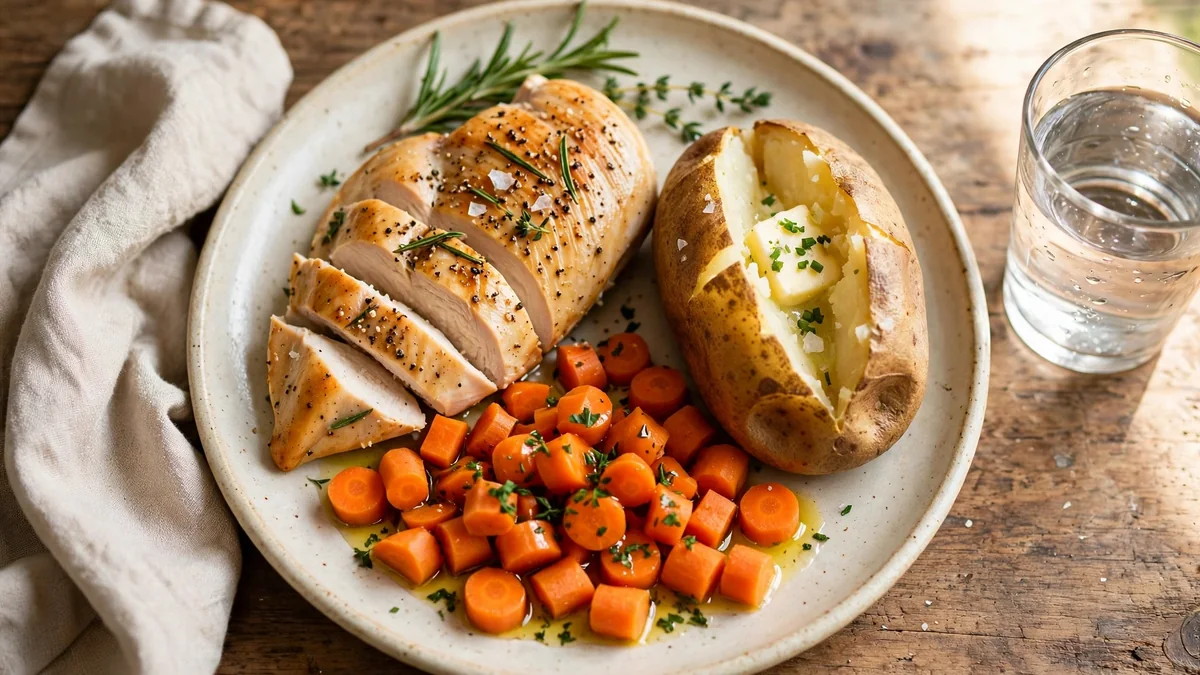
| Dinner | 5 oz cooked chicken breast; 1 medium baked potato; 1 cup chopped carrots; 1 teaspoon olive oil | about 477 |
| Snacks | 3/4 cup plain nonfat Greek yogurt; 1 cup raspberries; 1 cup skim milk | about 250 |
Day 2 total: about 1575 calories, 149 g protein, 156 g carbohydrate, 42 g fat, 30 g fiber.
Day 3
| Meal | What to eat | Calories |
|---|---|---|
| Breakfast | 3/4 cup plain nonfat Greek yogurt; 1/4 cup granola; 1 cup strawberries; 1 tablespoon honey | about 359 |
| Lunch | 1 cup cooked chickpeas; 1/2 cucumber, sliced; 1 medium tomato; 1 oz feta cheese, crumbled; 2 teaspoons olive oil; 2 cups green leaf lettuce | about 471 |
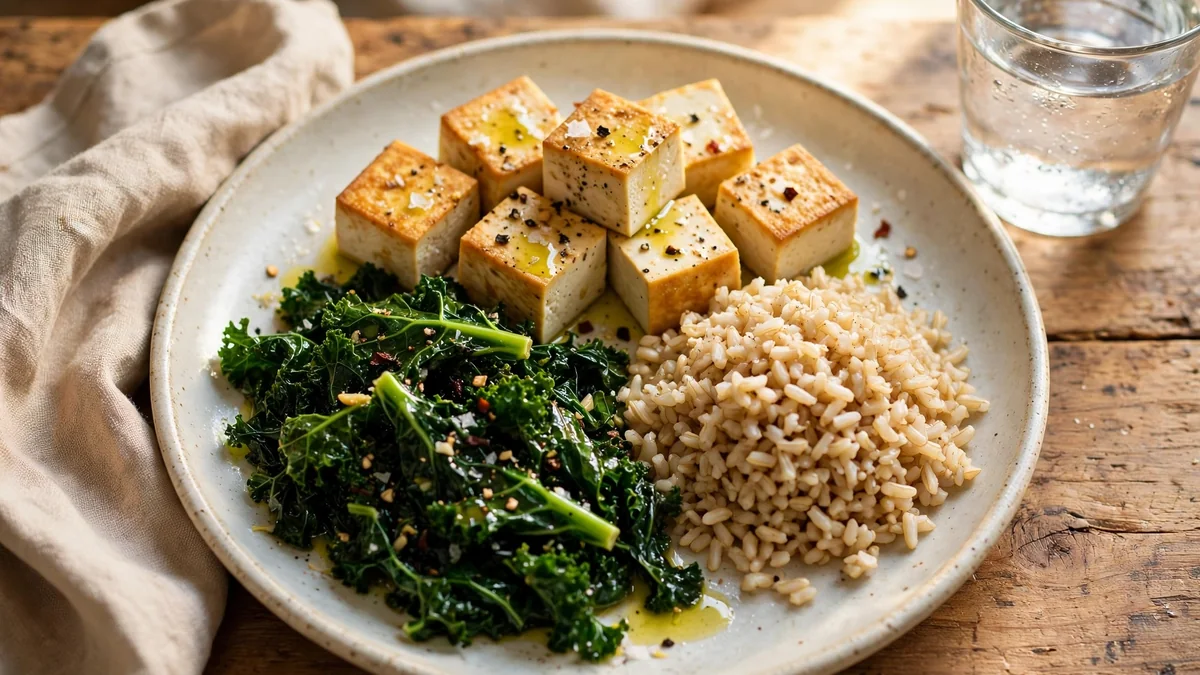
| Dinner | 125 g firm tofu (about 4 1/2 oz); 1 cup cooked brown rice; 1 cup cooked kale; 2 teaspoons olive oil | about 544 |
| Snacks | 1 oz almonds (about 1/4 cup); 1 orange | about 224 |
Day 3 total: about 1598 calories, 81 g protein, 187 g carbohydrate, 66 g fat, 37 g fiber.
Day 4
| Meal | What to eat | Calories |
|---|---|---|
| Breakfast | 2 large eggs; 2 slices whole-wheat bread; 1/2 avocado; 1 orange | about 498 |
| Lunch | 1 cup low-fat cottage cheese; 1 medium tomato; 1/2 cucumber, sliced; 1 slice whole-wheat bread; 1 teaspoon olive oil; 1 medium pear | about 422 |
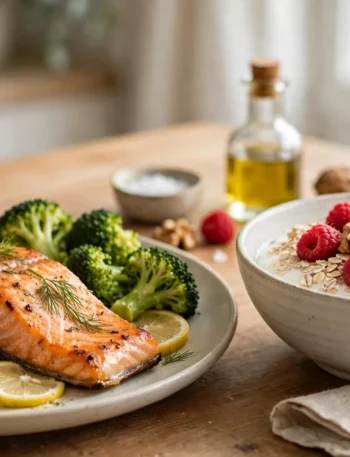
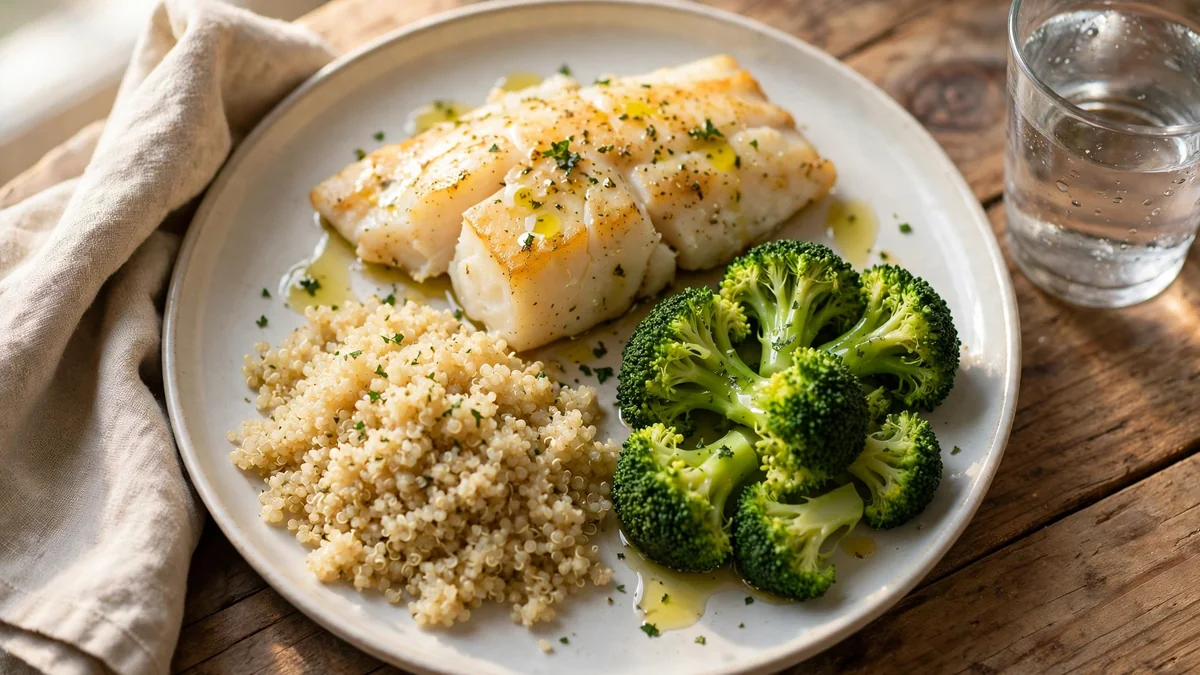
| Dinner | 6 oz cooked cod; 1 cup cooked quinoa; 1 cup cooked broccoli; 2 teaspoons olive oil | about 535 |
| Snacks | 1/2 cup low-fat cottage cheese; 1 cup strawberries | about 130 |
Day 4 total: about 1584 calories, 123 g protein, 171 g carbohydrate, 49 g fat, 35 g fiber.
Day 5
| Meal | What to eat | Calories |
|---|---|---|
| Breakfast | 1/2 cup dry rolled oats; 1 cup skim milk; 1 medium banana; 1 tablespoon peanut butter | about 438 |
| Lunch | 4 oz cooked chicken breast; 1 cup cooked quinoa; 1 cup cooked kale; 1 teaspoon olive oil | about 505 |
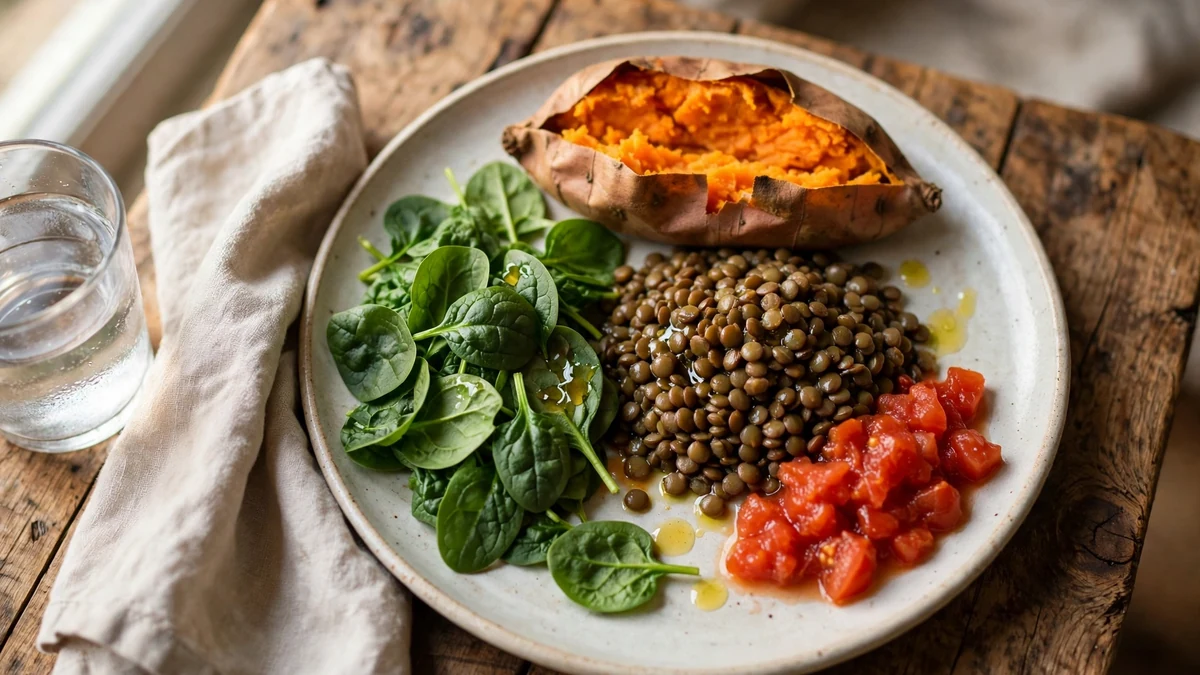
| Dinner | 1 cup cooked lentils; 1 medium baked sweet potato; 2 cups raw spinach; 1/2 cup crushed canned tomatoes; 2 teaspoons olive oil | about 454 |
| Snacks | 1 medium apple; 1 tablespoon peanut butter | about 190 |
Day 5 total: about 1587 calories, 93 g protein, 216 g carbohydrate, 44 g fat, 44 g fiber.
Day 6
| Meal | What to eat | Calories |
|---|---|---|
| Breakfast | 1 large egg; 3 large egg whites; 1 oz part-skim mozzarella cheese; 1 slice whole-wheat bread; 2 cups raw spinach; 1 medium tomato | about 329 |
| Lunch | 5 oz cooked chicken breast; 2 cups green leaf lettuce; 1/2 avocado; about 2/3 cup cooked corn; 1/4 cup salsa; 2 corn tortillas | about 593 |
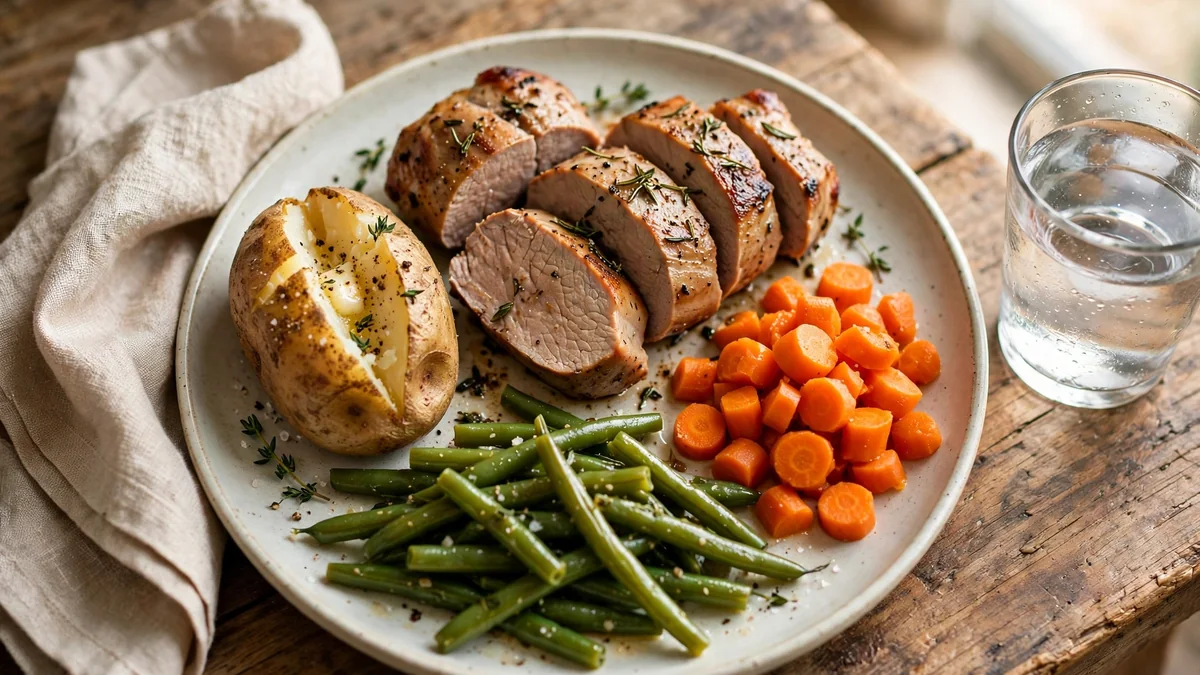
| Dinner | 5 oz cooked pork tenderloin; 1 medium baked potato; 1 cup cooked green beans; 1 cup chopped carrots | about 450 |
| Snacks | 1 cup grapes; 1 oz cheddar cheese | about 219 |
Day 6 total: about 1590 calories, 137 g protein, 164 g carbohydrate, 47 g fat, 30 g fiber.
Day 7
| Meal | What to eat | Calories |
|---|---|---|
| Breakfast | 2 slices whole-wheat bread; 2 tablespoons peanut butter; 1 cup skim milk; 1 medium apple | about 533 |
| Lunch | 1 cup cooked lentils; 1 cup chopped carrots; 1/2 cup crushed canned tomatoes; 2 teaspoons olive oil; 1 slice whole-wheat bread | about 470 |
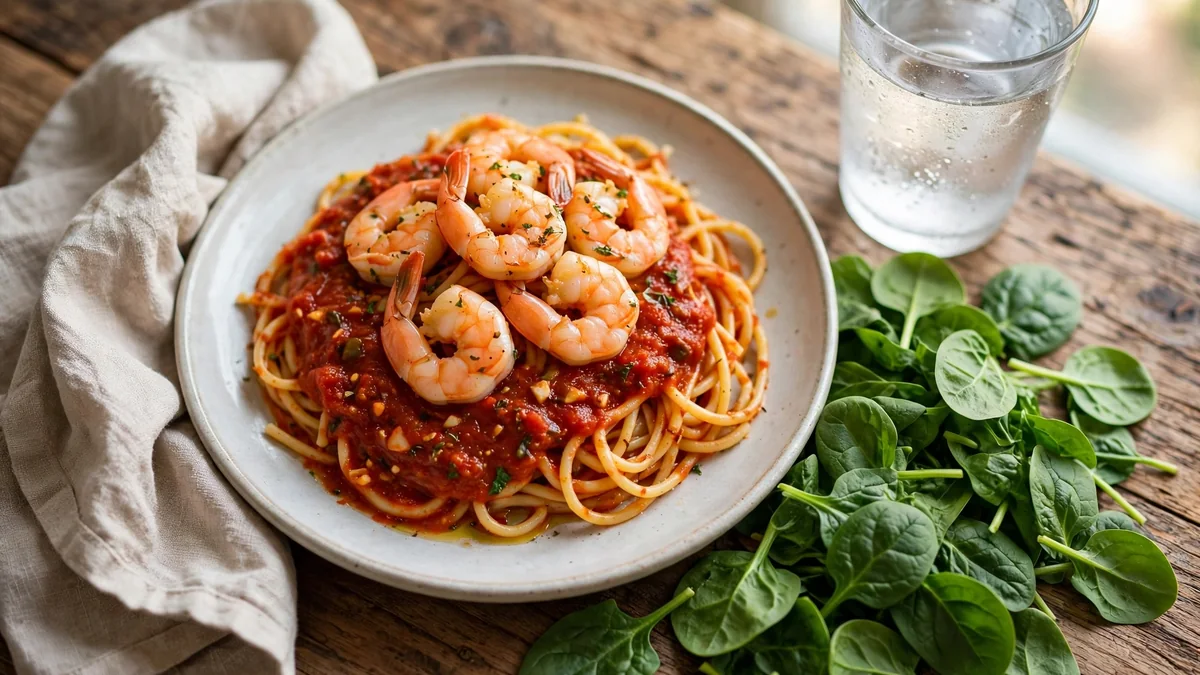
| Dinner | 4 oz cooked shrimp; 1 cup cooked pasta; 1/2 cup marinara sauce; 2 cups raw spinach | about 432 |
| Snacks | 3/4 cup plain nonfat Greek yogurt; 1 cup raspberries | about 164 |
Day 7 total: about 1600 calories, 105 g protein, 221 g carbohydrate, 38 g fat, 47 g fiber.
Grocery list
This list covers the full week for one person, following the portions in the plan. Choose ripe, softer fruit if chewing is a concern, and canned beans and tomatoes to keep preparation simple.
Produce
- Bananas, oranges, apples, pears, strawberries, blueberries, and raspberries
- Avocados and grapes
- Spinach and green leaf lettuce
- Kale, broccoli, and green beans
- Carrots, cucumbers, and tomatoes
- Sweet potatoes and white potatoes
- Corn (fresh or frozen)
Meat and seafood
- Chicken breast and pork tenderloin
- Salmon fillets, cod fillets, and shrimp
- Canned tuna in water
- Firm tofu (calcium-set)
Dairy and eggs
- Large eggs and egg whites
- Plain nonfat Greek yogurt and plain low-fat Greek yogurt
- Low-fat cottage cheese
- Cheddar cheese and part-skim mozzarella
- Skim milk
Pantry
- Rolled oats and granola
- Brown rice, quinoa, and pasta
- Black beans, kidney beans, and lentils (dry or canned, rinsed)
- Chickpeas
- Crushed canned tomatoes and marinara sauce
- Salsa and hummus
- Peanut butter, almonds, and walnuts
- Olive oil, honey, and maple syrup
- Dark chocolate (70% cacao)
Frozen
- Frozen corn and green beans as backups
- Frozen berries as a backup for fresh fruit
Bakery
- Whole-wheat bread
- Corn tortillas
Meal prep tips
- Make the lentil soup in a double batch on day 1; it softens further overnight and reheats gently for day 7.
- Bake several sweet potatoes and white potatoes at once; the soft flesh reheats well and can be mashed with a little milk.
- Cook chicken breast until just done and slice it warm; overcooked chicken is the toughest texture in the plan.
- Portion yogurt, cottage cheese, and nuts into single servings so snacks are ready without measuring each time.
- Wash greens and chop cucumbers and tomatoes ahead, and keep cooked carrots ready as the easy vegetable side.
Easy swaps
- Swap any nut portion for the same calories of peanut butter if chewing nuts is hard: 1 oz of walnuts is close to 2 tablespoons of peanut butter thinned with a little milk.
- Swap salmon for cod or shrimp in the same portion; all three stay tender when baked.
- Swap the tuna sandwich filling onto soft bread, a pita, or a bed of lettuce, whichever is easiest to eat.
- Swap black beans, kidney beans, and lentils for each other in equal portions in soups and bowls.
- Swap skim milk for the same amount of plain Greek yogurt at snacks if you prefer something thicker.
- Swap raw carrot sticks for the same amount of cooked carrots at any meal.
How to adjust the calories safely
If 1,600 calories leaves you persistently hungry, tired, or losing faster than about 2 pounds a week, add food. To add roughly 200 to 300 calories a day using foods already in the plan, choose one: 1 cup of skim milk (about 86 calories) plus 1 oz of almonds (about 162 calories); 1/2 cup of cooked quinoa (about 111 calories) added to a dinner plus 2 tablespoons of hummus (about 53 calories) with the snack; or 1 tablespoon of peanut butter (about 96 calories) stirred into the morning oatmeal plus a cup of milk (about 86 calories) during the day.
Never go below 1,200 calories a day for women or 1,500 calories a day for men without medical supervision. Older adults should be especially careful here: if your appetite drops, you feel weak, or your clothes loosen faster than expected, eat more and tell your doctor. Losing weight slowly and keeping your strength is the goal, not the lowest number.
Common mistakes
- Skipping protein at breakfast. The yogurt, egg, and cottage cheese breakfasts carry the day’s muscle support; coffee and toast alone will not.
- Eating far less than the plan because appetite is small, then feeling weak by evening. If portions feel large, split meals into smaller, more frequent sittings of the same foods.
- Ignoring chewing or swallowing problems instead of adapting textures. Mash, chop, cook softer, and tell your doctor if swallowing is difficult.
- Keeping leftovers too long. After 65, food safety matters more, not less: refrigerate within 2 hours and use within 3 to 4 days.
- Starting the plan while also starting a new medicine without telling your doctor. Food changes and new prescriptions should be reviewed together.
Pair it with a workout
Gentle strength and balance work pairs naturally with a protein-forward plan: chair stands, wall push-ups, and short walks build the muscle this plan feeds. The beginner routines in our Exercise and Workouts category include low-impact options; build up gradually and stop any exercise that causes pain, dizziness, or chest pain. For another protein-focused week written for older adults, see the plans linked from our Diet Plans library.
Frequently asked questions
Is 1,600 calories safe for someone over 65?
It can be, when it is planned like this: protein at every meal, plenty of fiber, and no skipped meals. But needs vary a lot after 65, and some adults should not lose weight at all. Check with your doctor before starting, and stop and eat more if you feel weak, dizzy, or unusually tired.
Why does this plan push protein so much?
Muscle mass naturally declines with age, and adequate protein at each meal is one of the simplest food habits that helps maintain it. This plan averages about 113 grams a day from ordinary foods, with no powders or supplements.
What if chewing is difficult?
Most of the plan is already soft: oatmeal, yogurt, soups, baked fish, mashed potatoes, and ripe fruit. Mash the chickpeas, cook vegetables until tender, choose peanut butter instead of whole nuts, and mention ongoing chewing or swallowing trouble to your doctor or dentist.
Can I follow this plan with diabetes or kidney disease?
Not without a review by your doctor and a registered dietitian. Both conditions change what a safe plan looks like, including how much protein is appropriate. Bring this page to your appointment and ask before you begin.
What if I am not hungry enough to finish the meals?
Eat the protein foods first at each meal, then the rest as you can, and consider splitting the day into five or six smaller sittings of the same foods. Persistent low appetite after 65 is worth mentioning to your doctor on its own.
Sources and further reading
- USDA FoodData Central, the source for every calorie and nutrient value in this plan: fdc.nal.usda.gov
- Dietary Guidelines for Americans, for the overall healthy eating pattern this plan follows: dietaryguidelines.gov
- MyPlate, for balanced plate ideas, including its page for older adults: myplate.gov
- National Institute on Aging, for healthy eating and exercise guidance for older adults: nia.nih.gov
- MedlinePlus, for plain language background on nutrition after 65: medlineplus.gov
This article is for general educational purposes only and is not medical, nutrition, or fitness advice. Talk with your doctor or a registered dietitian before changing your diet or starting an exercise program.