
Last updated: November 23, 2026.
A friend invites you to dinner, a work lunch lands on your calendar, or your family wants takeout on a busy Friday. If you are trying to lose weight, moments like these can feel like a test you did not study for, and it is easy to wonder whether eating out means giving up on your plan for the day.
It does not. The direct answer is that you can eat at restaurants while losing weight by making a few calm choices ahead of time: look at the menu before you go, build a plate with protein, vegetables, and a sensible portion of starch, go easy on sugary drinks and rich sauces, and stop when you feel comfortably full. One restaurant meal is one meal. What you do most days matters far more than any single dinner out.
This guide sits in our Nutrition Basics collection, where we cover everyday food skills in plain words. For a full week built around this exact situation, see our 7-Day Eating Out Smartly Meal Plan, and you will find the rest of our plans in the Diet Plans hub. If you want a rough sense of your daily calorie needs before you plan a meal out, our Calorie Calculator can give you a starting estimate to discuss with a professional.
Key takeaways
- Decide what you will order before you arrive, when you are calm and not yet hungry or rushed.
- Build your plate around protein and vegetables, with a moderate portion of bread, rice, pasta, or potatoes.
- Ask for sauces and dressings on the side so you control how much goes on the food.
- Choose water or another unsweetened drink most of the time, and treat dessert as a choice, not an automatic ending.
- Enjoy the meal and the company. Guilt is not a strategy, and one meal does not undo steady habits.
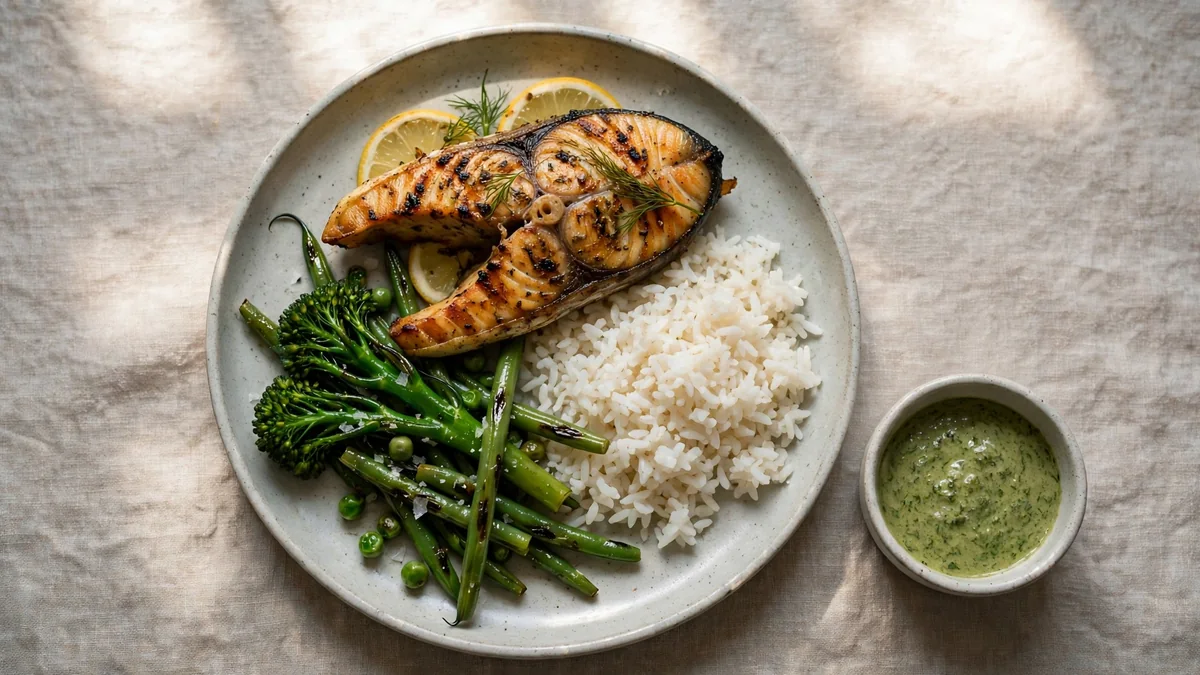
Look at the menu before you go
Most restaurants post their menus online, and two quiet minutes with that menu at home can change the whole evening. At the table, you may be hungry, the server may be waiting, and everyone else may be ordering quickly. At home, none of that pressure exists, so you can read descriptions slowly and pick something you will actually enjoy.
Look for dishes that are grilled, baked, roasted, or steamed rather than fried or covered in heavy cream sauce. Notice which meals come with vegetables, and which ones are mostly starch and cheese. Then choose your order, and maybe a backup in case the kitchen is out of your first pick. Walking in with a plan means you can relax, talk, and enjoy the evening instead of studying the menu in a panic.
A simple way to scan any menu
Start with the protein choices, such as chicken, fish, beans, tofu, eggs, or lean cuts of meat. Then check what comes with them. A grilled chicken plate with vegetables and rice is a very different meal from the same chicken fried, covered in sauce, and served with a large pile of fries, even though the menu names sound similar. Words like crispy, creamy, loaded, and smothered usually signal extra oil, cheese, or sauce, while words like grilled, broiled, and fresh usually signal a lighter preparation.
Build a balanced plate at the table
You do not need to order a plain salad to eat well at a restaurant, unless a salad is what you truly want. A satisfying plate usually has three parts: a protein that helps you feel full, vegetables that add volume and crunch, and a starch portion that fits your hunger that day. When one part is missing, meals often feel unfinished, and that is when extra bread or dessert starts to look very appealing.
| Part of the meal | Simple approach | Easy request to make |
|---|---|---|
| Protein | Choose grilled, baked, or roasted options | Ask for it cooked without extra butter |
| Vegetables | Make them a real part of the plate, not a garnish | Ask for a double portion of vegetables instead of fries |
| Starch | Pick one main starch rather than several | Ask for the smaller portion, or share the larger one |
| Sauce and dressing | Use enough for flavor, not a bath | Ask for it served on the side |
Starters, bread, and shared plates
The food that arrives before your meal can quietly add up. If warm bread or chips land on the table and you are very hungry, it is fine to have a piece while you wait. It helps to decide that amount ahead, rather than reaching into the basket again and again while you talk. If your group orders starters to share, take a small serving onto your own plate so you can see what you are eating.
Drinks, sides, and desserts without drama
Drinks are one of the easiest places to save room without feeling deprived. Sweet tea, soda, juice, and sweetened coffee drinks can carry as much sugar as a dessert, and they do not help you feel full. Water, sparkling water with lemon or lime, or unsweetened tea are simple defaults. If you choose an alcoholic drink, having it with your meal rather than before it, and alternating with water, are practical ways to keep the evening comfortable.
Sides deserve the same calm attention. Many plates come with fries by default, but a side salad, steamed vegetables, fruit, or a baked potato are often available if you ask. Dessert works best as a deliberate choice. If something on the dessert menu truly appeals to you, consider sharing it with the table, which gives everyone a taste. If nothing appeals, skipping it is not a sacrifice, it is simply a no to food you did not want.
Portions and the pace of the meal
Restaurant portions are often larger than what most people would serve at home, and that is about the restaurant business, not about your willpower. You are allowed to eat part of a meal and take the rest home. In fact, asking for a container early, and setting aside tomorrow’s lunch before you start, makes the decision once instead of bite by bite.
Pace helps too. Eating slowly, putting your fork down between bites, and joining the conversation give your body time to notice fullness. Imagine a long family dinner: the people who talk, laugh, and pause between servings usually leave comfortable, while eating quickly and distracted makes it easy to pass full without noticing.
Takeout and delivery count too
The same ideas work at home. When takeout arrives, serve your portion on a plate instead of eating from the container, add a simple salad if you have one, and put the rest away before you sit down.
Common questions or misconceptions
One misconception is that eating out on a diet means ordering the smallest, plainest item and feeling left out. In practice, a meal you enjoy, in a portion that leaves you comfortable, is far easier to repeat than a punishing order you dread. Another is that a single indulgent meal ruins your progress. Weight change reflects patterns over weeks, not one birthday dinner, and returning to your usual routine at the next meal is the whole response that is needed.
A third idea is that you must announce your diet to the whole table or defend your choices. You do not owe anyone an explanation. Ordering what you want, asking for a swap, or passing on dessert are ordinary actions that need no speech. If someone comments, a simple “this is what I felt like having” closes the topic for most people.
Who should talk with a professional first
If restaurant meals feel stressful in a way that goes beyond ordinary planning, or if you find yourself avoiding social events because of food, that is worth raising with a doctor or a registered dietitian. The same is true if you manage a condition such as diabetes, high blood pressure, or a food allergy, since menu choices can interact with your care in ways a general guide cannot cover.
If you have a history of disordered eating, talk with a doctor or a registered dietitian before following any diet plan. For eating disorder support in the US, visit the National Alliance for Eating Disorders at allianceforeatingdisorders.com.
Frequently asked questions
What if the menu has nothing that looks light?
Almost every kitchen can grill a protein and steam vegetables, even if that exact plate is not printed on the menu. You can also build a meal from sides and starters, such as a soup, a salad, and a vegetable side. Asking politely for a simple preparation is a normal request, and staff would rather help than have you leave unhappy.
Should I eat less during the day before a big dinner out?
Skipping meals to save up usually backfires, because you arrive very hungry and the bread basket becomes the main event. Eat your normal meals, perhaps a little lighter, and consider a small protein rich snack before you go if dinner will be late. Arriving comfortably hungry, not starving, makes every other choice easier.
How do I handle buffets and all you can eat places?
Walk the whole line first without a plate, and notice what is actually offered. Then fill one plate, starting with vegetables and protein, and sit down away from the serving line if you can. If you go back, let it be for something you specifically enjoyed, not simply because the food is there.
Is it rude to ask for changes to a dish?
No. Sauces on the side, a vegetable swap, or dressing served separately are among the most common requests servers hear. Be friendly, be specific, and accept it gracefully if a particular dish cannot be changed. There is almost always another option on the menu that works as it is.
What should I do the day after a large restaurant meal?
Nothing special. Drink water, eat your usual meals, and move in whatever way you normally do, perhaps a walk like the one in our Indoor Walking Workout for Beginners. There is no need to skip meals or add punishing exercise. Your normal routine is the plan, and returning to it promptly is what steady progress looks like.
Sources and further reading
- MyPlate, tips for eating out and building a balanced plate: myplate.gov
- Centers for Disease Control and Prevention, healthy weight and eating guidance: cdc.gov
- American Heart Association, dining out and heart healthy choices: heart.org
- Academy of Nutrition and Dietetics, everyday nutrition advice: eatright.org
This article is for general educational purposes only and is not medical, nutrition, or fitness advice. Talk with your doctor or a registered dietitian before changing your diet or starting an exercise program.