Prints just the plan, like a recipe card.
Last updated: November 22, 2026.
This college student meal plan on a budget gives you 7 days of breakfasts, lunches, dinners, and snacks at about 1,800 calories a day, built from the cheapest reliable grocery foods: oats, eggs, beans, lentils, rice, pasta, canned tuna, peanut butter, bananas, and frozen edamame. No specialty products, no protein powders, and no expensive cuts of meat. Two of the days are dorm days, built around a microwave and a mini fridge, for students without a real kitchen. Every portion is listed in plain US measures, and every number was calculated from USDA FoodData Central values. The week averages about 114 grams of protein a day. For many adults, 1,800 calories lines up with gradual weight loss of about 1 to 2 pounds a week. More plans like this one live in our By Lifestyle diet plans.
Who this plan is for, and who should not follow it
This plan is for college students who cook some of their own food, in a dorm, a shared apartment, or a small kitchen, and who need a week that is cheap to shop for and simple to repeat. It suits students who can boil pasta and rice, scramble eggs, and open cans without thinking about it. The money saving comes from habits, not coupons: buying store brand staples, cooking beans and grains in batches, using frozen and canned foods where they are just as nutritious, and planning snacks ahead.
This plan is not medical advice. Talk with your doctor or a registered dietitian before following it, especially if you have diabetes, kidney disease, or another condition affected by food, or if you take medication that food or weight change can affect. It is not for children or teenagers, and it is not for anyone who is pregnant or breastfeeding. Student athletes and very active students often need well above 1,800 calories; use the adjustment section and eat more if you are training hard.
If you have a history of disordered eating, talk with a doctor or a registered dietitian before following any diet plan. For eating disorder support in the US, visit the National Alliance for Eating Disorders at allianceforeatingdisorders.com.
Plan overview
| Daily calorie target | About 1800 calories |
| Average protein per day | About 114 g |
| Average carbohydrate per day | About 223 g |
| Average fat per day | About 51 g |
| Average fiber per day | About 38 g |
| Meals per day | 4 (breakfast, lunch, dinner, and snacks) |
The pattern is simple: a filling breakfast you can make half asleep, a lunch built on beans, tuna, eggs, or leftovers, a dinner, and one snack slot so late night studying does not become a second dinner.
How this college student meal plan on a budget is built
Every day leans on two or three low cost staples and dresses them up with one or two fresher items. Beans, lentils, oats, rice, and eggs do the heavy lifting because they are filling, keep well, and cost little per meal. Days 2 and 5 are dorm days: the eggs are scrambled in a microwave safe bowl, the rice is the kind you can microwave in its pouch, and nothing on those days needs an oven or a stove. If you want to check how this level compares with your own needs, our calorie calculator gives a general estimate to discuss with your doctor or dietitian.
The 7-day meal plan
Portions are given in US household measures. Calories for each meal and day were calculated from USDA FoodData Central values for the exact foods and amounts listed. Season freely with hot sauce, garlic powder, cumin, and black pepper; they add flavor without meaningful calories.
Day 1
| Meal | What to eat | Calories |
|---|---|---|
| Breakfast | 1/2 cup dry rolled oats; 1 cup skim milk; 1 medium banana; 1 tablespoon peanut butter | about 438 |
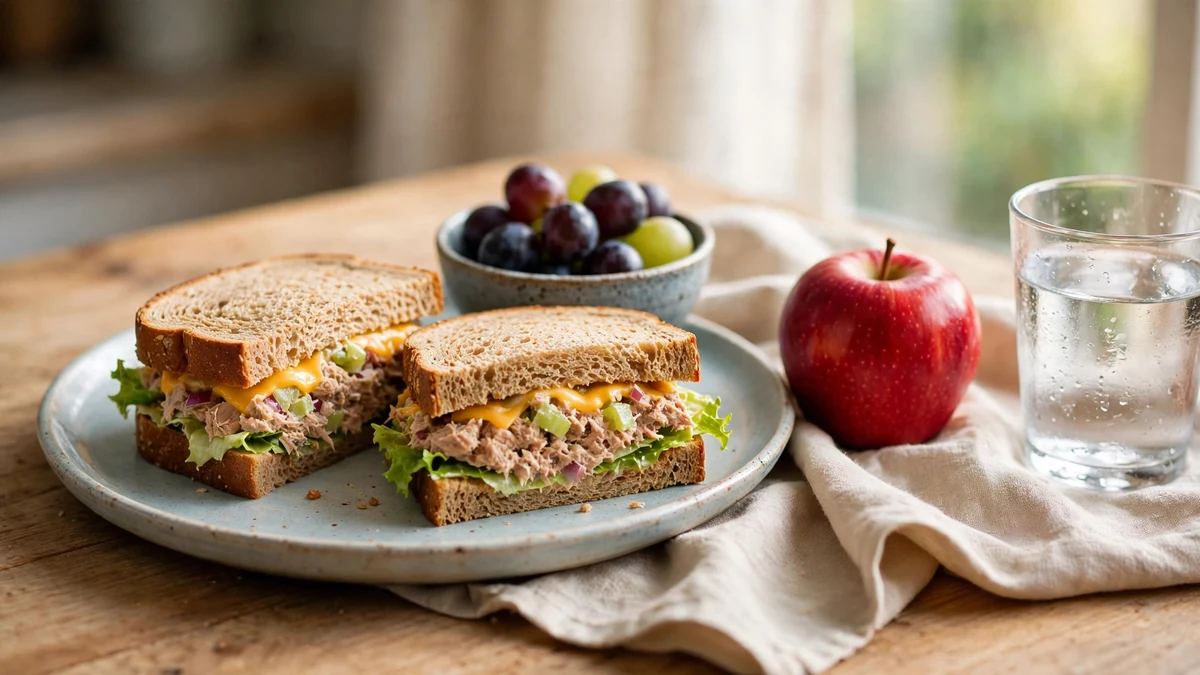
| Lunch | 1 can tuna in water, drained; 2 slices whole-wheat bread; 1 oz cheddar cheese; 1 medium apple | about 524 |
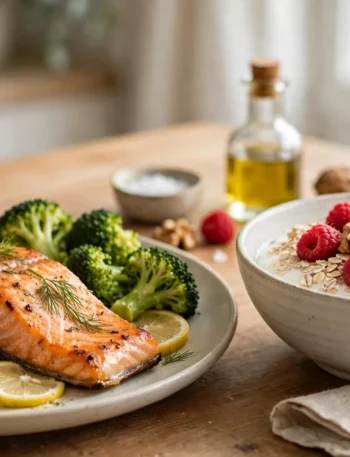
| Dinner | 5 oz cooked chicken breast; 1 cup cooked brown rice; 1 cup cooked broccoli; 1 teaspoon olive oil | about 556 |
| Snacks | 3/4 cup plain nonfat Greek yogurt; 1/4 cup granola | about 247 |
Day 1 total: about 1766 calories, 136 g protein, 203 g carbohydrate, 47 g fat, 27 g fiber.
Day 2
| Meal | What to eat | Calories |
|---|---|---|
| Breakfast | 1/2 cup dry rolled oats; 3/4 cup skim milk; 1 cup strawberries; 1/2 oz walnuts; 1 tablespoon peanut butter | about 452 |
| Lunch | 1 cup cooked black beans; 1 cup cooked white rice; 1/4 cup salsa; 1 oz cheddar cheese; 1 corn tortilla | about 658 |
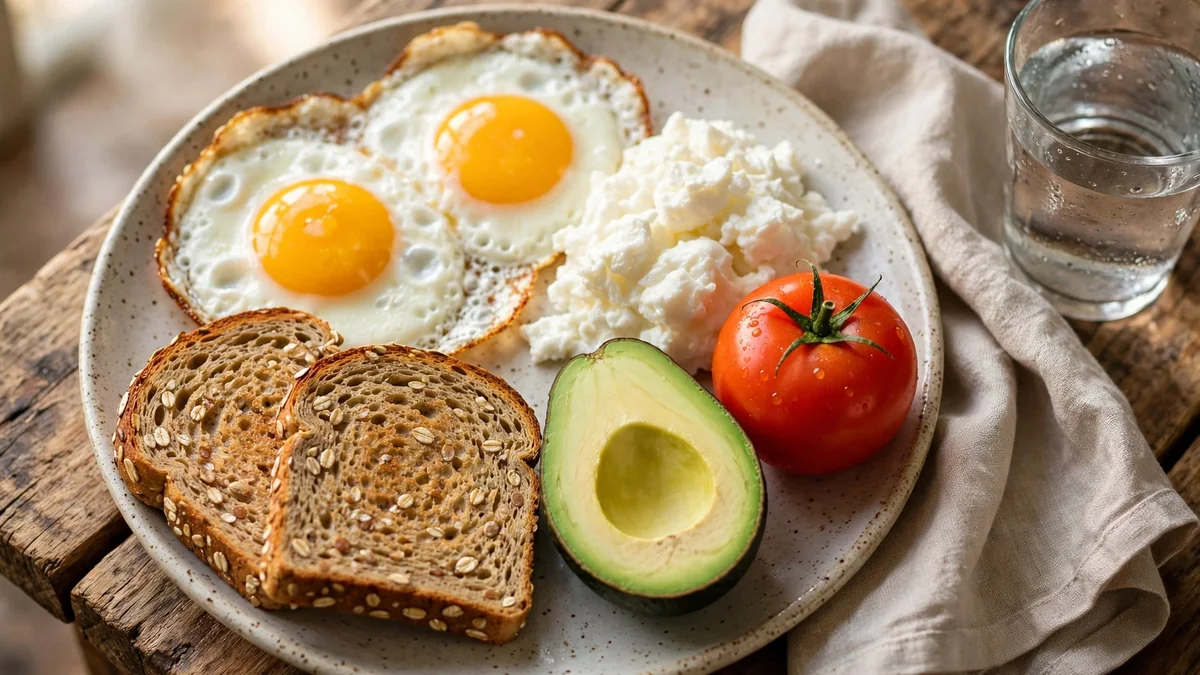
| Dinner | 2 large eggs; 1 large egg white; 2 slices whole-wheat bread; 1/2 avocado; 1 medium tomato | about 476 |
| Snacks | 3 cups air-popped popcorn; 1 cup skim milk; 1 orange | about 240 |
Day 2 total: about 1825 calories, 87 g protein, 248 g carbohydrate, 58 g fat, 44 g fiber.
Day 3
| Meal | What to eat | Calories |
|---|---|---|
| Breakfast | 1 cup plain low-fat Greek yogurt; 1/4 cup granola; 1 cup blueberries; 1 tablespoon honey | about 474 |
| Lunch | 1 cup cooked lentils; 1 cup chopped carrots; 1 oz feta cheese; 1 slice whole-wheat bread; 1 teaspoon olive oil | about 473 |
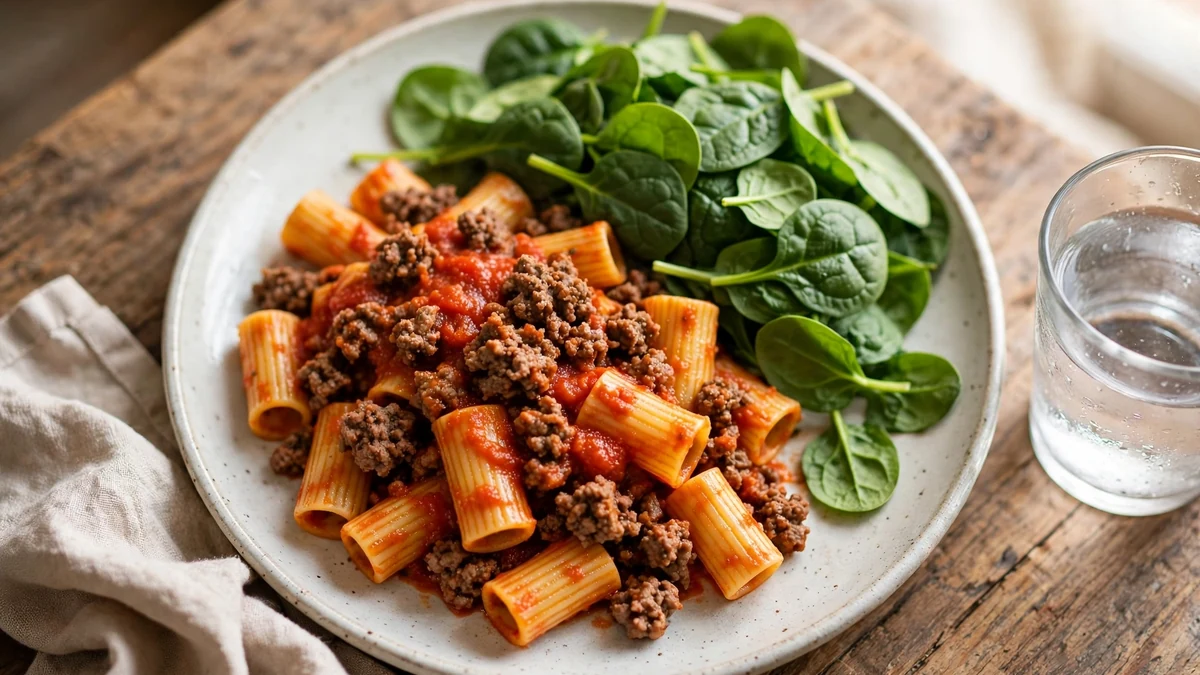
| Dinner | 1 cup cooked pasta; 4 oz lean ground beef (90% lean); 1/2 cup marinara sauce; 2 cups raw spinach | about 543 |
| Snacks | 1/2 cup low-fat cottage cheese; 1 medium pear; 1/2 oz almonds | about 264 |
Day 3 total: about 1753 calories, 115 g protein, 218 g carbohydrate, 50 g fat, 41 g fiber.
Day 4
| Meal | What to eat | Calories |
|---|---|---|
| Breakfast | 2 large eggs; 2 slices whole-wheat bread; 1 oz cheddar cheese; 1 orange | about 493 |
| Lunch | 1 cup cooked chickpeas; 1/2 cucumber; 1 medium tomato; 1 oz feta cheese; 1 whole-wheat pita | about 548 |
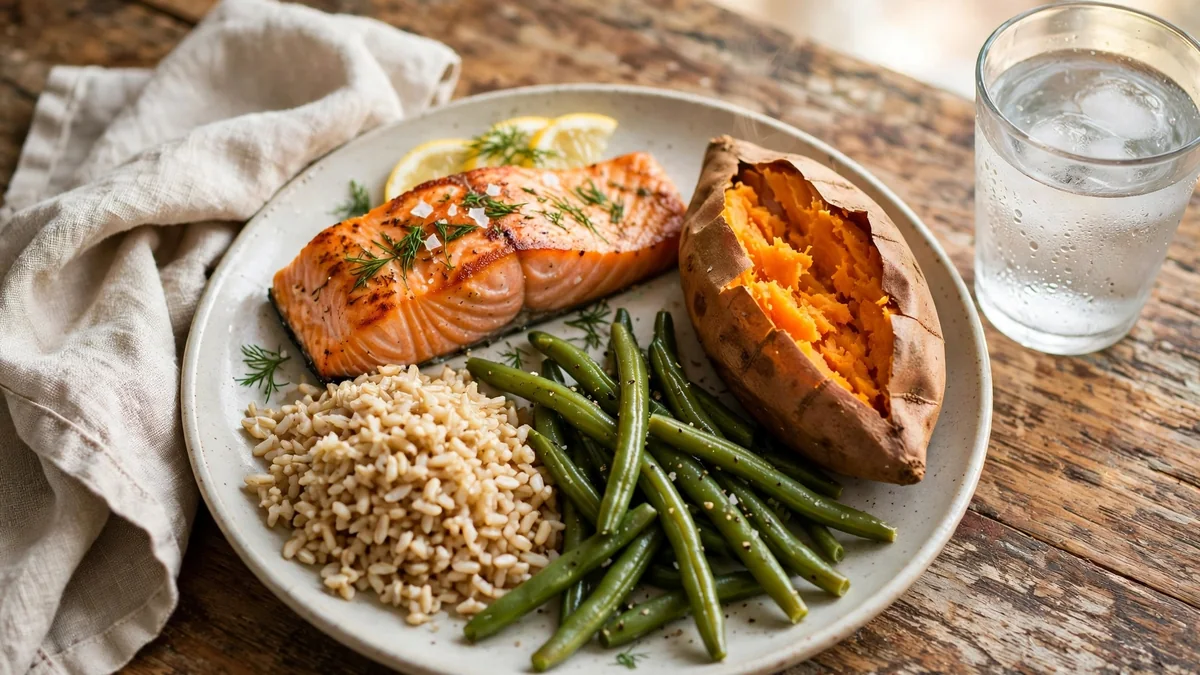
| Dinner | 4 oz cooked salmon; 1 medium baked sweet potato; 1 cup cooked green beans; 1/2 cup cooked brown rice | about 466 |
| Snacks | 1 cup shelled edamame; 1 medium apple | about 282 |
Day 4 total: about 1789 calories, 110 g protein, 231 g carbohydrate, 53 g fat, 47 g fiber.
Day 5
| Meal | What to eat | Calories |
|---|---|---|
| Breakfast | 1/2 cup dry rolled oats; 1 cup skim milk; 1 cup raspberries; 2 tablespoons peanut butter | about 493 |
| Lunch | 1 flour tortilla; 1/2 cup cooked black beans; 1 oz cheddar cheese; 1/4 cup salsa; 1/2 cup cooked corn | about 459 |
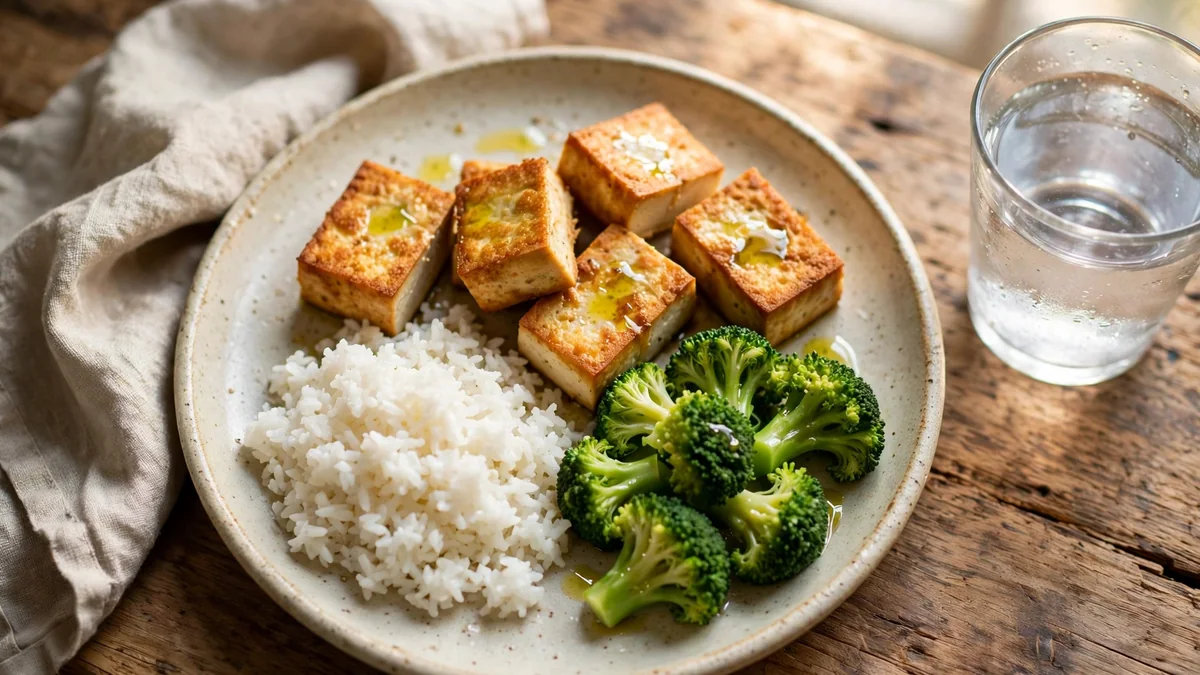
| Dinner | 125 g firm tofu (about 4 1/2 oz); 1 cup cooked white rice; 1 cup cooked broccoli; 1 teaspoon olive oil | about 515 |
| Snacks | 1 medium banana; 3/4 cup plain nonfat Greek yogurt; 1 tablespoon honey | about 269 |
Day 5 total: about 1736 calories, 93 g protein, 243 g carbohydrate, 53 g fat, 37 g fiber.
Day 6
| Meal | What to eat | Calories |
|---|---|---|
| Breakfast | 1 cup low-fat cottage cheese; 1 cup strawberries; 1/4 cup granola; 3/4 cup skim milk | about 422 |
| Lunch | 5 oz cooked turkey breast; 2 slices whole-wheat bread; 1/2 avocado; 1 medium tomato; 2 cups green leaf lettuce | about 523 |
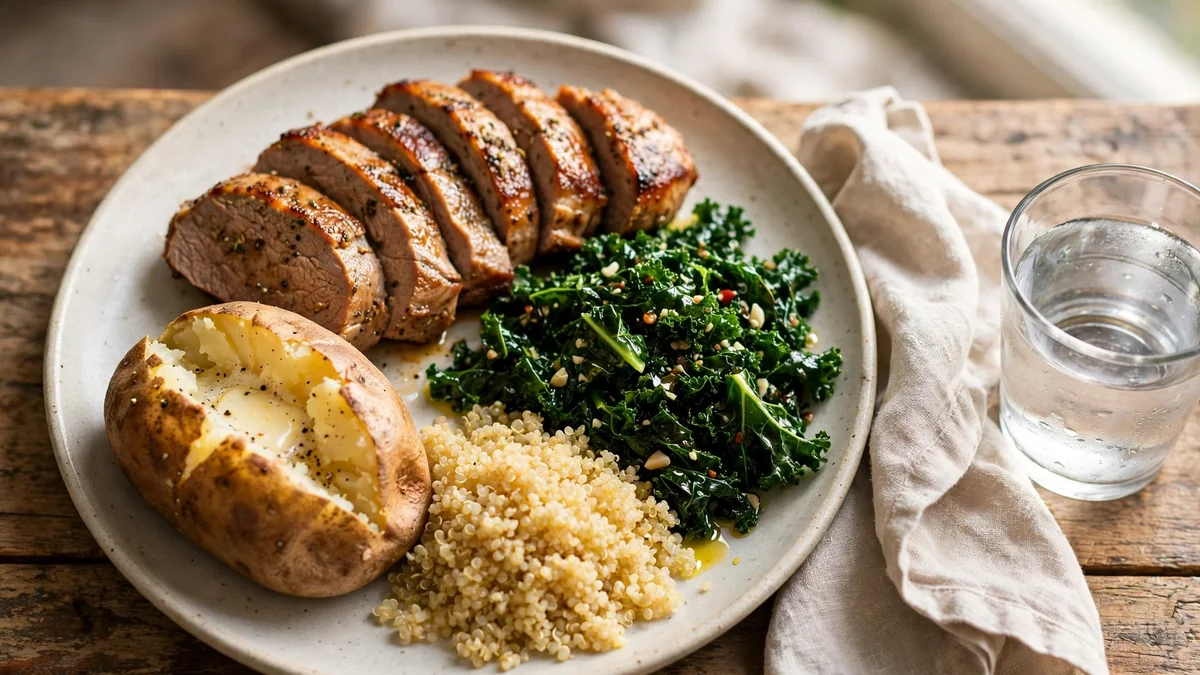
| Dinner | 5 oz cooked pork tenderloin; 1 medium baked potato; 1 cup cooked kale; 1/2 cup cooked quinoa; 1 teaspoon olive oil | about 562 |
| Snacks | 1/4 cup hummus; 1 cup chopped carrots; 3 cups air-popped popcorn | about 252 |
Day 6 total: about 1759 calories, 150 g protein, 187 g carbohydrate, 47 g fat, 35 g fiber.
Day 7
| Meal | What to eat | Calories |
|---|---|---|
| Breakfast | 1/2 cup dry rolled oats; 3/4 cup skim milk; 1 medium apple; 1/2 oz walnuts; 1 tablespoon maple syrup | about 454 |
| Lunch | 1 cup cooked kidney beans; 1 cup cooked brown rice; 1/4 cup salsa; 1 oz cheddar cheese | about 586 |
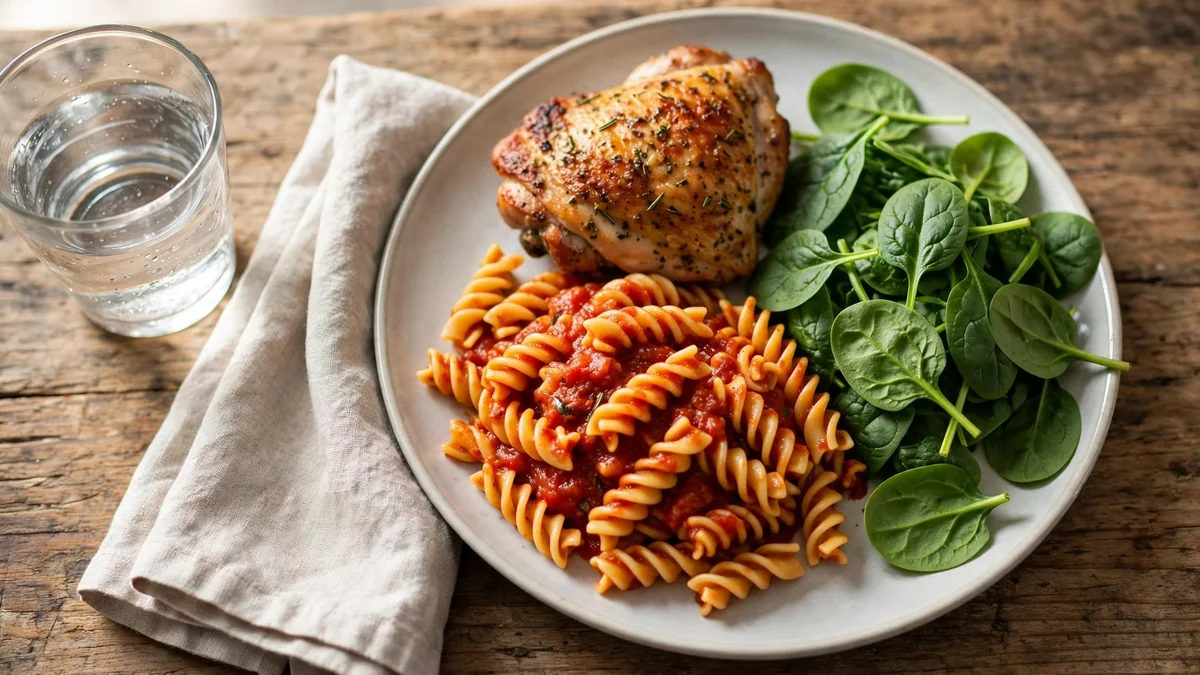
| Dinner | 5 oz cooked chicken thigh; 1/2 cup cooked pasta; 1/2 cup marinara sauce; 2 cups raw spinach | about 441 |
| Snacks | 3/4 cup plain low-fat Greek yogurt; 1 cup blueberries; 1 tablespoon peanut butter | about 304 |
Day 7 total: about 1785 calories, 107 g protein, 234 g carbohydrate, 51 g fat, 36 g fiber.
Grocery list
This list covers the full week for one person following the plan as written. Buy the store brand version of everything; the nutrition is the same for the foods used here.
Produce
- Bananas, apples, oranges, and a pear
- Strawberries, blueberries, and raspberries (fresh or frozen)
- Sweet potatoes and white potatoes
- Broccoli, green beans, and kale
- Baby spinach and green leaf lettuce
- Carrots, tomatoes, and cucumbers
- An avocado or two
Meat and seafood
- Chicken breast and chicken thighs
- Turkey breast
- Salmon fillets (frozen fillets work)
- Pork tenderloin
- Lean ground beef (90% lean)
- Canned tuna in water
Dairy and eggs
- Large eggs and egg whites
- Plain nonfat Greek yogurt and plain low-fat Greek yogurt
- Low-fat cottage cheese
- Cheddar cheese and feta cheese
- Skim milk
Pantry
- Rolled oats and granola
- Brown rice and white rice, quinoa, and pasta
- Black beans, kidney beans, chickpeas, and lentils (dry or canned)
- Firm tofu
- Marinara sauce and salsa
- Peanut butter, hummus, and olive oil
- Almonds and walnuts
- Honey and maple syrup
- Popcorn for air-popping or plain microwave popcorn
Frozen
- Shelled edamame
- Frozen berries, if fresh are pricey that week
Bakery
- Whole-wheat bread
- Whole-wheat pita, corn tortillas, and flour tortillas
Meal prep tips
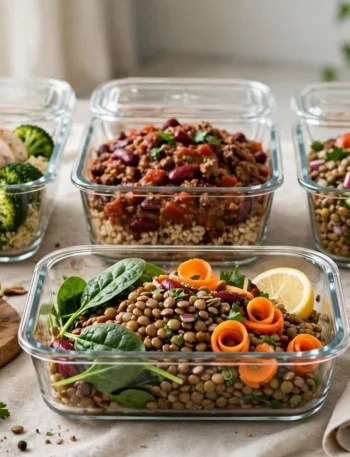
- Cook one big pot of rice and one pot of beans or lentils on Sunday; they cover lunches and dinners through midweek and reheat in minutes.
- Keep a dorm shelf kit: oats, peanut butter, popcorn, and shelf stable milk or a mini fridge carton, so breakfast never depends on the dining hall line.
- Hard-boil or microwave scramble eggs in batches of two days only; eggs keep better cooked fresh.
- Portion nuts, granola, and popcorn into single servings when you unpack the shopping. Bag sized portions stop the whole container from becoming one snack.
- Freeze half the bread and tortillas if you shop once a week; they thaw on the counter in an hour.
Easy swaps
- Swap black beans, kidney beans, chickpeas, and lentils for each other in equal portions; they anchor most of the cheap meals here.
- Swap chicken breast for turkey breast, or chicken thigh for pork tenderloin, in equal portions.
- Swap the salmon dinner for a second tuna or tofu dinner if fish is out of reach that week; calories stay close.
- Swap Greek yogurt and cottage cheese for each other in breakfasts and snacks.
- Swap brown rice for white rice or quinoa, cup for cup, under any dinner.
- Swap fresh berries for frozen berries in oatmeal and yogurt; frozen are often the better buy and thaw in the bowl.
How to adjust the calories safely
If this plan leaves you persistently hungry, low on energy, losing faster than about 2 pounds a week, or struggling through workouts and practices, add food. To add roughly 200 to 300 calories a day using foods already in the plan, choose one: 2 tablespoons of peanut butter (about 191 calories) plus a medium orange (about 62 calories); or 1 cup of cooked white rice (about 240 calories) added across lunch and dinner; or 1 oz of almonds (about 162 calories) plus 1 cup of skim milk (about 86 calories).
Never go below 1,200 calories a day for women or 1,500 calories a day for men. This plan is written at 1,800 calories, above both floors. Many students, especially men, athletes, and anyone with a physical job on top of classes, will need the additions above every day, and that is fine.
Common mistakes
- Skipping meals during the day and trying to catch up at night. The planned snack exists so a late study session does not become a delivery order.
- Buying specialty diet products. The savings in this plan come from plain staples; branded bars and shakes add cost without adding nutrition.
- Paying for groceries while a dining hall plan goes unused. Eat the campus meals you already paid for and use this plan for the meals you actually cook.
- Drinking calories that are not in the plan, such as soda, juice, and sweetened coffee drinks, then wondering why the week stalls.
- Shopping hungry with no list. The grocery list above is the budget tool; wandering the aisles is how cheap weeks get expensive.
Pair it with a workout
Campus life includes a lot of walking. Pair this plan with the walking plans and beginner strength routines in our Exercise and Workouts category two or three days a week, and build up gradually. Stop any exercise that causes pain, dizziness, or chest pain, and check with your doctor before starting if you have been inactive or have a medical condition. If you want a higher protein week at a similar level, see our 7-Day High-Protein Meal Plan for Weight Loss.
Frequently asked questions
Can I follow this plan in a dorm with only a microwave?
Days 2 and 5 are written for exactly that: microwave eggs and oatmeal, plus meals built from canned beans, tortillas, cheese, and yogurt that need no cooking. On other days, a dining hall or shared kitchen can cover the cooked items, or repeat the dorm days and swap dinners using the swaps section.
How do I keep the grocery cost down without counting every item?
Use habits instead of math: buy store brands, build meals on oats, eggs, beans, lentils, rice, and pasta, choose frozen vegetables and fruit when fresh prices spike, and shop once a week so impulse buys stay small. Prices vary too much by store and city for any plan to promise a dollar figure.
Is 1,800 calories right for every student?
No. Shorter, less active students may lose weight steadily at 1,800, while tall students, men, and athletes may maintain or even lose too fast. Use the adjustment section to add 200 to 300 calories if you are hungry all day or losing faster than about 2 pounds a week, and never drop below the floors of 1,200 calories a day for women or 1,500 for men.
What if I also eat in the dining hall?
Use the same shapes there: a protein (eggs, chicken, beans, yogurt), a grain (rice, pasta, bread), and as many vegetables as you want, with fruit for dessert most days. The dining hall versions will not match the plan’s numbers exactly, and that is fine.
Can I repeat this week?
Yes. The week is built to repeat with the swaps section changing the flavors. Rotate the bean and grain combinations, change which fish or tofu dinner you use, and the week feels different while the shopping stays simple.
Sources and further reading
- USDA FoodData Central, the source for every calorie and nutrient value in this plan: fdc.nal.usda.gov
- Dietary Guidelines for Americans, for the overall healthy eating pattern this plan follows: dietaryguidelines.gov
- MyPlate, for balanced plate ideas built from the same food groups, including budget friendly meal ideas: myplate.gov
- Centers for Disease Control and Prevention, for healthy weight guidance: cdc.gov
- MedlinePlus, for plain language background on nutrition and healthy eating: medlineplus.gov
This article is for general educational purposes only and is not medical, nutrition, or fitness advice. Talk with your doctor or a registered dietitian before changing your diet or starting an exercise program.