Prints just the plan, like a recipe card.
Last updated: November 22, 2026.
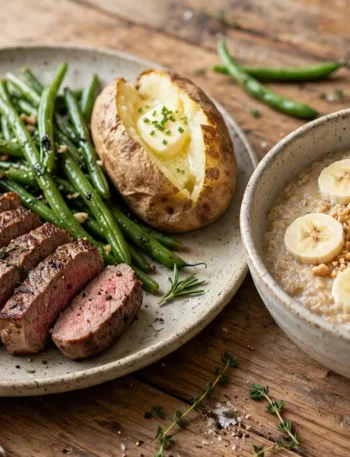
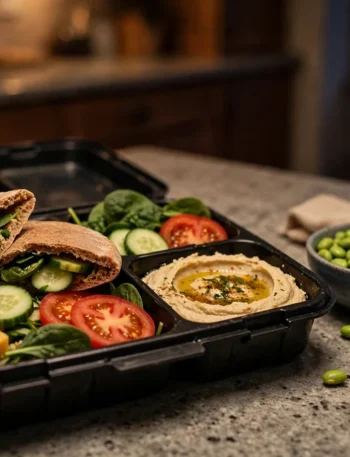
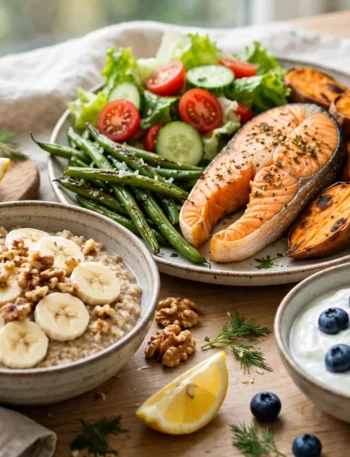
This meal plan for parents gives you 7 days of breakfasts, lunches, dinners, and snacks at about 1,700 calories a day, built for the way parents of young kids eat: quick breakfasts, lunches often leftovers, and family dinners where adults portion their plates from the same food the kids eat. There is no separate diet dinner to cook. Pasta night, taco night, and pita pizza night are all here, with the adult portions measured so the day still lands near 1,700 calories. One thing matters and is repeated through the plan: children do not follow this calorie target. Kids eat age appropriate portions for their own growth, decided with their pediatrician; this plan is written for the adults only. Every number was calculated from USDA FoodData Central values. The week averages about 119 grams of protein a day. More plans like this one live in our By Lifestyle diet plans.
Who this plan is for, and who should not follow it
This plan is for parents and caregivers of children who cook family dinners and want their eating to have some structure without cooking twice. It suits households where dinner is shared, mornings are rushed, and the biggest risks are finishing kids’ plates, snacking while cooking, and skipping lunch entirely.
This plan is not medical advice. Talk with your doctor or a registered dietitian before following it, especially if you have diabetes, kidney disease, or another condition affected by food, or if you take medication that food or weight change can affect. It is not for anyone who is pregnant or breastfeeding. And to say it plainly once more: this plan is not for children or teenagers. Children and teens need food for growth, in amounts set by their age, size, and activity with guidance from their pediatrician, never a calorie target from an adult weight loss plan. Serve kids the same family foods in the portions right for them, and keep this plan’s numbers for the adults.
If you have a history of disordered eating, talk with a doctor or a registered dietitian before following any diet plan. For eating disorder support in the US, visit the National Alliance for Eating Disorders at allianceforeatingdisorders.com.
Plan overview
| Daily calorie target | About 1700 calories (adults) |
| Average protein per day | About 119 g |
| Average carbohydrate per day | About 213 g |
| Average fat per day | About 45 g |
| Average fiber per day | About 37 g |
| Meals per day | 4 (breakfast, lunch, dinner, and snacks) |
For many adults, 1,700 calories lines up with gradual weight loss of about 1 to 2 pounds a week, though parents running on broken sleep may find maintenance at this level is a win some weeks, and that is fine. The structure does the work: a breakfast before the chaos, a lunch that exists on purpose, a family dinner with your portion decided before you sit down, and a planned snack so the post bedtime kitchen raid has an answer.
How this meal plan for parents handles family dinners
Every dinner in this week is a family dinner: pasta with meat sauce and spinach, chicken with sweet potato and green beans, tacos with beans and avocado, salmon with rice and broccoli, pita pizzas, pork with potato and kale, and a tofu and rice bowl. You cook one meal. The difference is on your plate: your portions are the ones in the tables, served before you sit down, rather than assembled by grazing. Kids get the same foods in their own age appropriate amounts, with seconds of anything they want. If you want to check how this level compares with your own needs, our calorie calculator gives a general estimate to discuss with your doctor or dietitian.
The 7-day meal plan
Portions are given in US household measures and are the adult portions. Calories for each meal and day were calculated from USDA FoodData Central values for the exact foods and amounts listed.
Day 1
| Meal | What to eat | Calories |
|---|---|---|
| Breakfast | 1/2 cup dry rolled oats; 1 cup skim milk; 1 medium banana; 1 tablespoon peanut butter | about 438 |
| Lunch | 5 oz cooked turkey breast; 2 slices whole-wheat bread; 1 oz cheddar cheese; 1 medium apple | about 579 |
| Dinner | 1 cup cooked pasta; 4 oz lean ground beef (90% lean); 1/2 cup marinara sauce; 2 cups raw spinach | about 543 |
| Snacks | 3/4 cup plain nonfat Greek yogurt; 1 cup grapes | about 204 |
Day 1 total: about 1765 calories, 136 g protein, 211 g carbohydrate, 44 g fat, 24 g fiber.
Day 2
| Meal | What to eat | Calories |
|---|---|---|
| Breakfast | 2 large eggs; 2 slices whole-wheat bread; 1 orange; 3/4 cup skim milk | about 442 |
| Lunch | 1 cup cooked black beans; 1 cup cooked brown rice; 1/4 cup salsa; 1 oz cheddar cheese | about 588 |
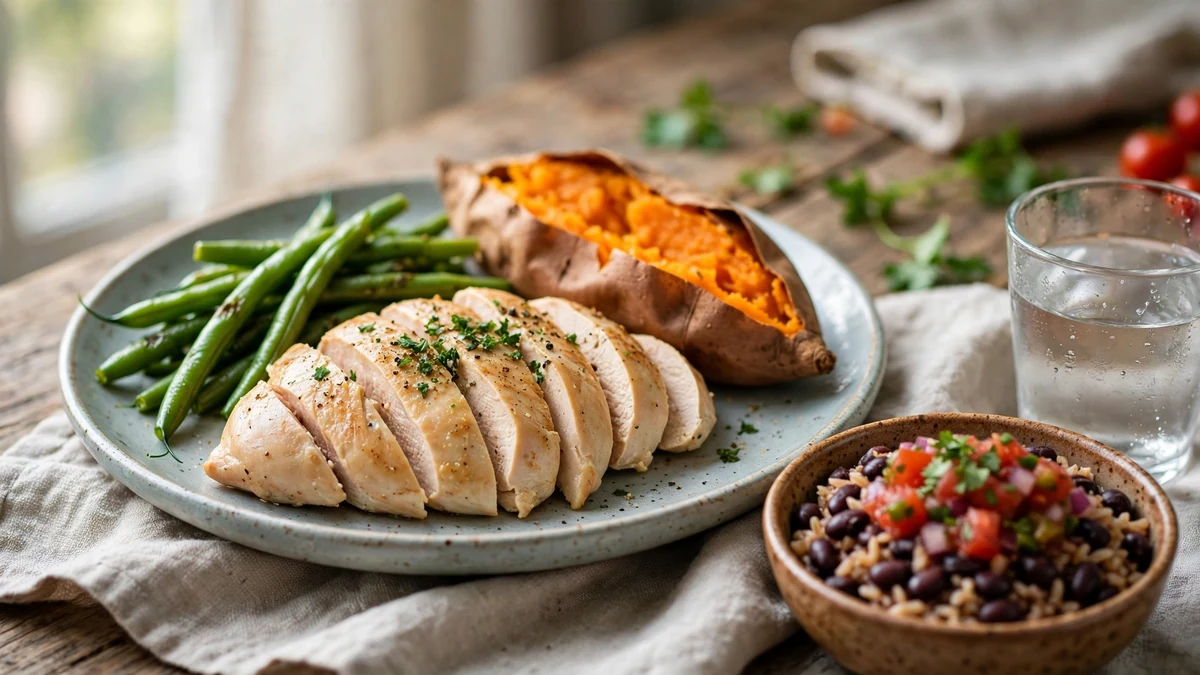
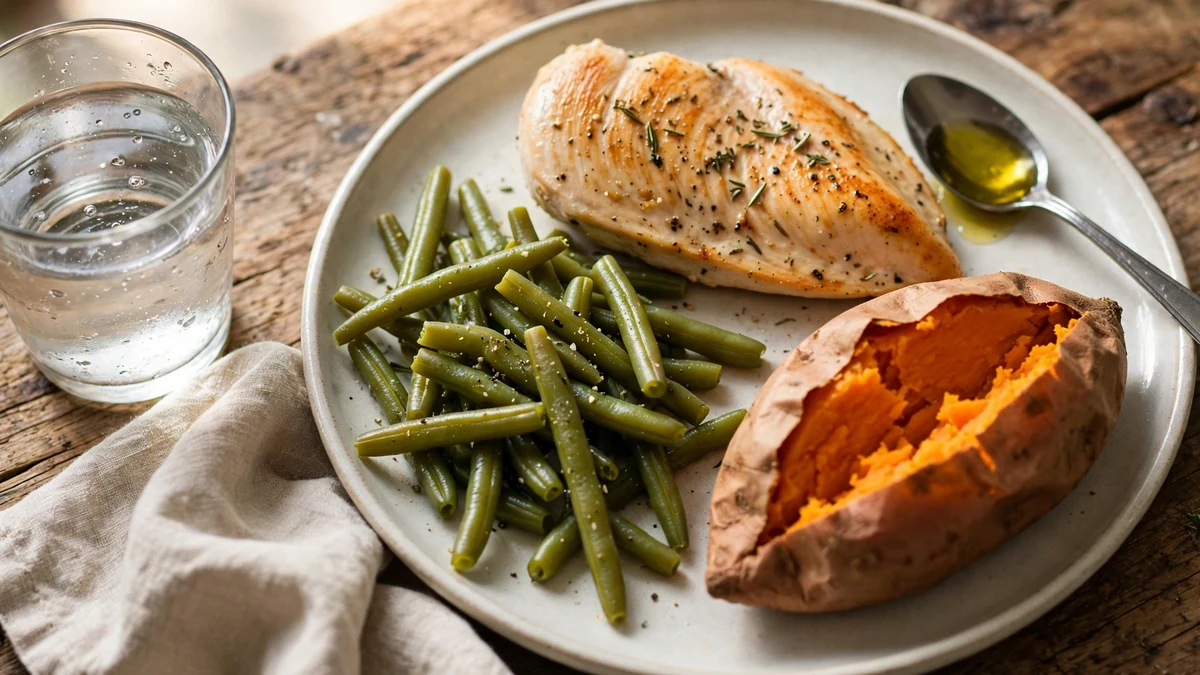
| Dinner | 5 oz cooked chicken breast; 1 medium baked sweet potato; 1 cup cooked green beans; 1 teaspoon olive oil | about 420 |
| Snacks | 1 cup low-fat cottage cheese; 1 cup strawberries | about 211 |
Day 2 total: about 1662 calories, 134 g protein, 197 g carbohydrate, 38 g fat, 37 g fiber.
Day 3
| Meal | What to eat | Calories |
|---|---|---|
| Breakfast | 1 cup plain low-fat Greek yogurt; 1/4 cup granola; 1 cup blueberries | about 410 |
| Lunch | 1 can tuna in water, drained; 1 whole-wheat pita; 2 tablespoons hummus; 1/2 cucumber | about 389 |
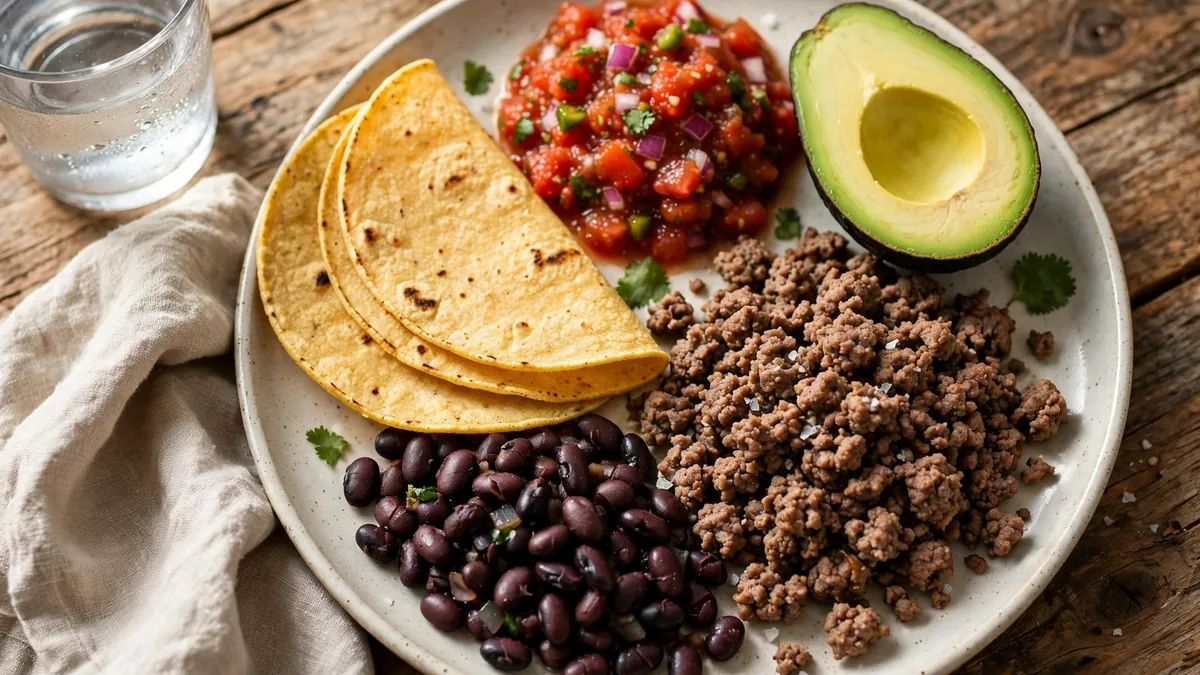
| Dinner | 4 oz lean ground beef (90% lean); 2 corn tortillas; 1/2 cup cooked black beans; 1/4 cup salsa; 1/2 avocado | about 611 |
| Snacks | 3 cups air-popped popcorn; 1 cup skim milk; 1 medium pear | about 280 |
Day 3 total: about 1690 calories, 121 g protein, 205 g carbohydrate, 48 g fat, 38 g fiber.
Day 4
| Meal | What to eat | Calories |
|---|---|---|
| Breakfast | 1/2 cup low-fat cottage cheese; 1 medium pear; 2 slices whole-wheat bread; 1 tablespoon peanut butter | about 440 |
| Lunch | 1 cup cooked lentils; 1 cup chopped carrots; 1 oz feta cheese; 1 slice whole-wheat bread | about 433 |
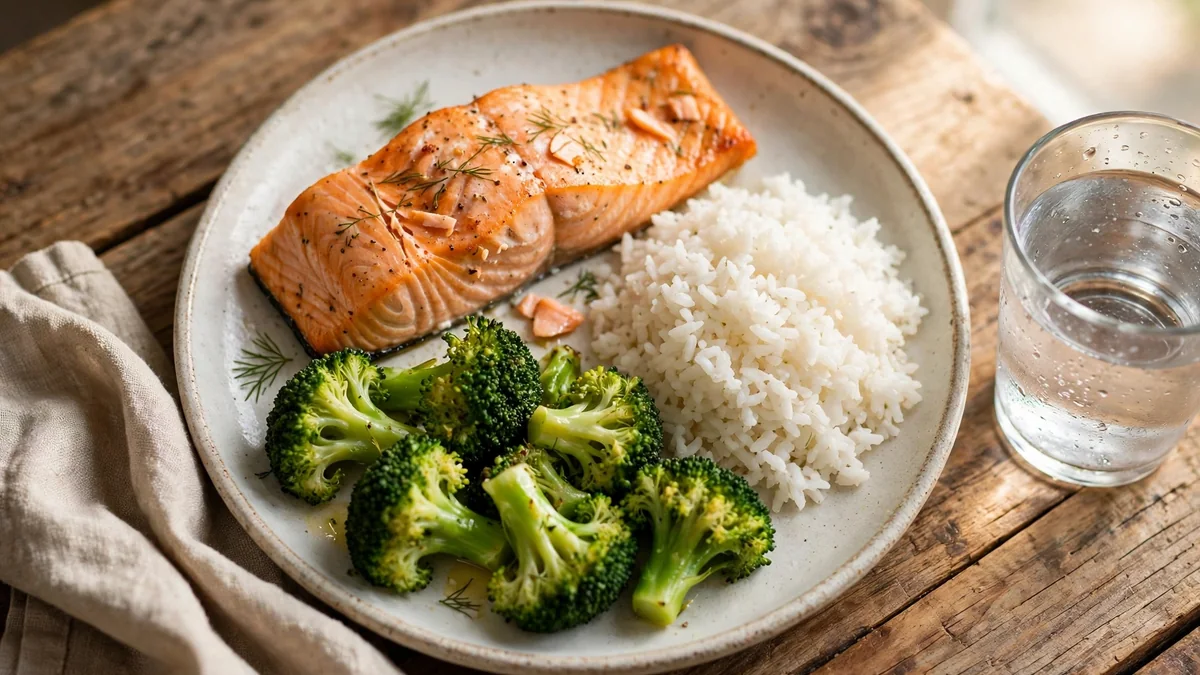
| Dinner | 5 oz cooked salmon; 1 cup cooked white rice; 1 cup cooked broccoli | about 554 |
| Snacks | 1/2 cup shelled edamame; 1 medium apple; 3/4 cup skim milk | about 253 |
Day 4 total: about 1680 calories, 114 g protein, 231 g carbohydrate, 37 g fat, 46 g fiber.
Day 5
| Meal | What to eat | Calories |
|---|---|---|
| Breakfast | 1/2 cup dry rolled oats; 3/4 cup skim milk; 1 cup raspberries; 1/2 oz walnuts | about 372 |
| Lunch | 5 oz cooked chicken thigh; 1 cup cooked quinoa; 1/2 cucumber; 1 medium tomato | about 513 |
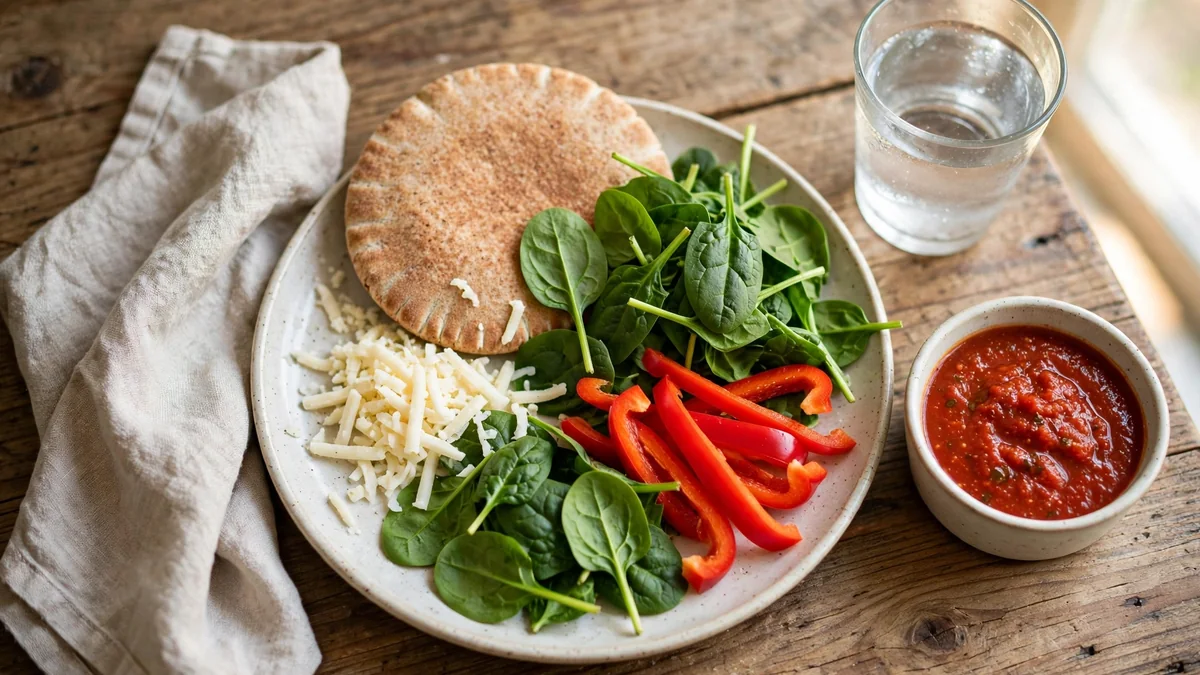
| Dinner | 1 whole-wheat pita; 1/2 cup marinara sauce; 1 oz part-skim mozzarella cheese; 1 medium bell pepper; 2 cups raw spinach | about 350 |
| Snacks | 3/4 cup plain low-fat Greek yogurt; 1/4 cup granola; 1 medium banana; 1/2 oz almonds | about 457 |
Day 5 total: about 1692 calories, 103 g protein, 208 g carbohydrate, 55 g fat, 37 g fiber.
Day 6
| Meal | What to eat | Calories |
|---|---|---|
| Breakfast | 2 large eggs; 1 large egg white; 1 slice whole-wheat toast; 1/2 avocado; 1 cup skim milk | about 459 |
| Lunch | 1 cup cooked chickpeas; 1/2 cup cooked brown rice; 1 cup chopped carrots; 1 teaspoon olive oil | about 476 |
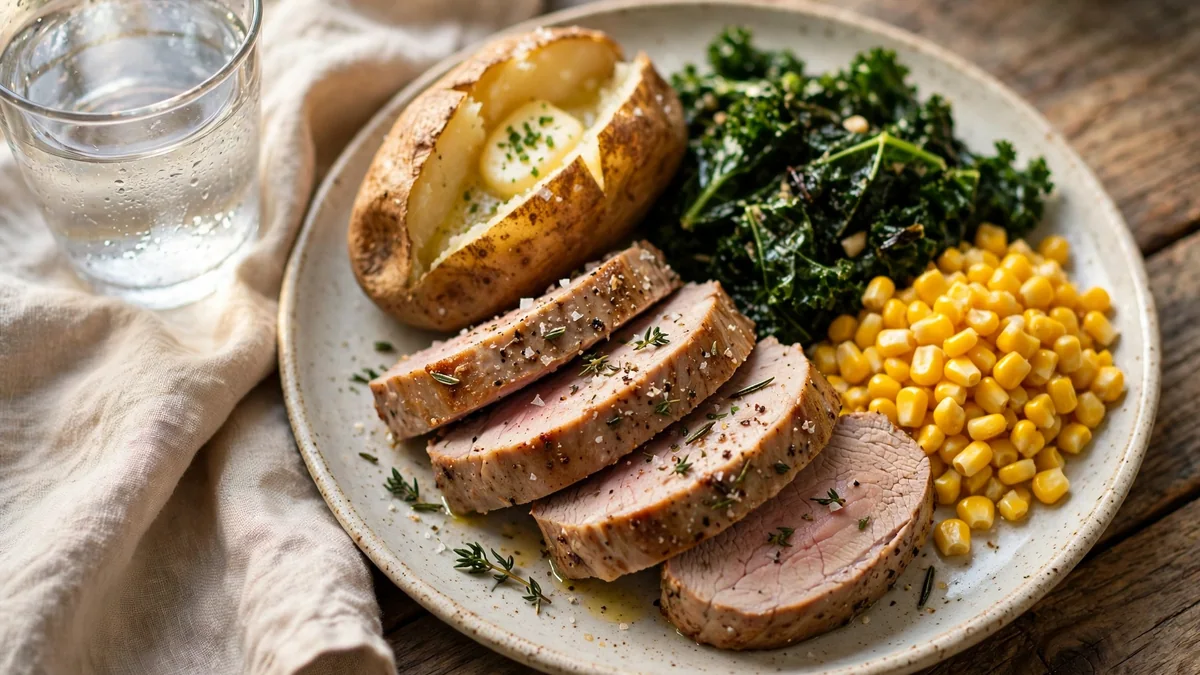
| Dinner | 5 oz cooked pork tenderloin; 1 medium baked potato; 1 cup cooked kale; 1/2 cup cooked corn | about 489 |
| Snacks | 1/4 cup hummus; 1/2 cucumber; 1 oz dark chocolate (70% cacao) | about 289 |
Day 6 total: about 1712 calories, 102 g protein, 201 g carbohydrate, 58 g fat, 39 g fiber.
Day 7
| Meal | What to eat | Calories |
|---|---|---|
| Breakfast | 1 cup plain nonfat Greek yogurt; 1/2 cup dry rolled oats; 1 cup strawberries; 1 tablespoon honey | about 409 |
| Lunch | 6 oz cooked cod; 1 cup cooked bulgur; 1 cup cooked green beans; 1 medium tomato | about 395 |
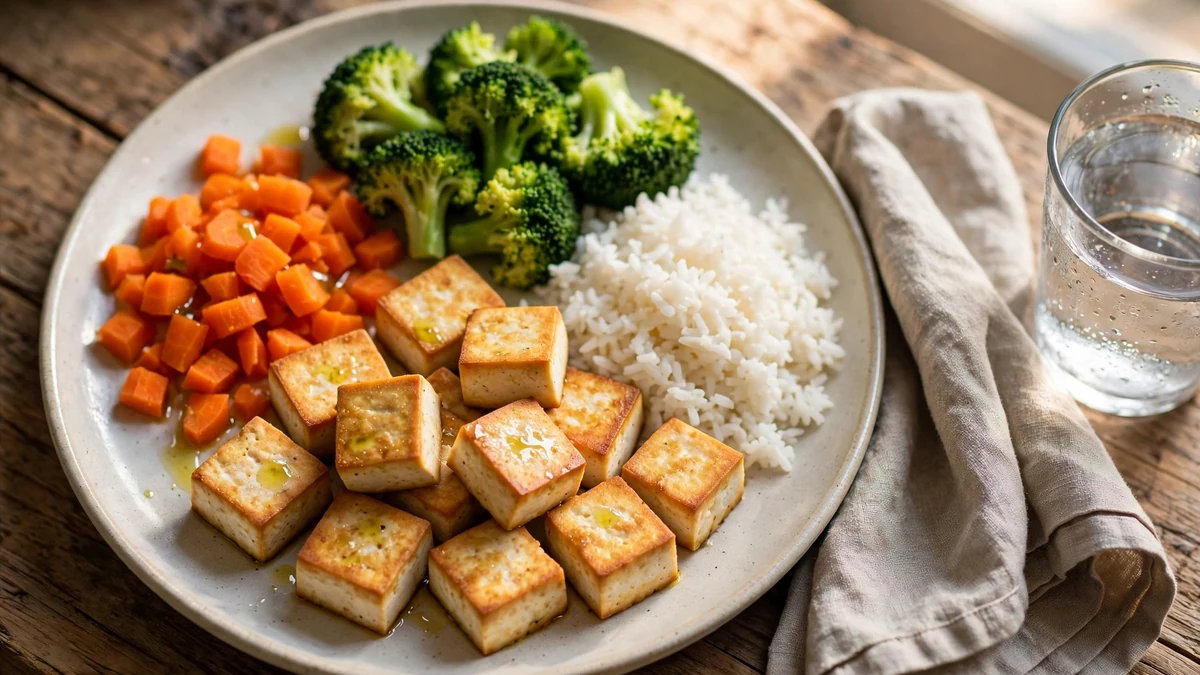
| Dinner | 125 g firm tofu (about 4 1/2 oz); 1 cup cooked white rice; 1 cup cooked broccoli; 1 cup chopped carrots; 1 teaspoon olive oil | about 567 |
| Snacks | 3 cups air-popped popcorn; 1 oz cheddar cheese; 1 cup grapes | about 312 |
Day 7 total: about 1683 calories, 122 g protein, 239 g carbohydrate, 34 g fat, 38 g fiber.
Grocery list
This list covers the adult portions for one parent for the week; scale the shared dinner ingredients to your household.
Produce
- Bananas, apples, oranges, grapes, and pears
- Strawberries, blueberries, and raspberries
- Sweet potatoes and white potatoes
- Broccoli, green beans, kale, and corn
- Baby spinach and green leaf lettuce
- Carrots, tomatoes, cucumbers, and bell peppers
- Avocados
Meat and seafood
- Chicken breast and chicken thighs
- Turkey breast
- Salmon fillets and cod fillets
- Pork tenderloin
- Lean ground beef (90% lean)
- Canned tuna in water
Dairy and eggs
- Large eggs and egg whites
- Plain nonfat Greek yogurt and plain low-fat Greek yogurt
- Low-fat cottage cheese
- Cheddar cheese, feta cheese, and part-skim mozzarella
- Skim milk
Pantry
- Rolled oats and granola
- Brown rice and white rice, quinoa, bulgur, and pasta
- Black beans, chickpeas, and lentils
- Firm tofu
- Marinara sauce and salsa
- Peanut butter, hummus, honey, and olive oil
- Almonds and walnuts
- Dark chocolate (70% cacao)
- Popcorn for air-popping
Frozen
- Shelled edamame
- Frozen corn and berries as backups
Bakery
- Whole-wheat bread
- Whole-wheat pita and corn tortillas
Meal prep tips
- Double the family dinner grains and proteins twice a week; tomorrow’s parent lunch is tonight’s leftovers, portioned into your container while you clean up.
- Keep a parent snack shelf: yogurt, cottage cheese, nuts, and popcorn in single portions, separate from the kids’ snack bin.
- Plate your dinner in the kitchen before sitting down. Serving yourself at the table from shared bowls is how portions quietly double.
- Scrape kids’ plates into the trash, not into your own meal. Finishing their food is the most common hidden meal in a parent’s day.
- Prep breakfast the night before on school nights: oats in a jar, eggs ready to scramble, fruit washed. Mornings with kids do not leave room for decisions.
Easy swaps
- Swap chicken breast for turkey breast, or chicken thigh for pork tenderloin, in equal portions at family dinners.
- Swap salmon for cod or shrimp in the same portion range.
- Swap black beans, chickpeas, and lentils for each other in equal portions.
- Swap Greek yogurt and cottage cheese for each other in breakfasts and snacks.
- Swap pasta night for a rice bowl night using the same protein and sauce amounts; kids rarely object and the day stays close.
- Swap any fruit for another in the same portion across breakfasts and snacks.
How to adjust the calories safely
If this plan leaves you persistently hungry, low on energy, or losing faster than about 2 pounds a week, add food. Parents who are up at night with little kids often need the additions simply to function. To add roughly 200 to 300 calories a day using foods already in the plan, choose one: 1 oz of almonds (about 162 calories) plus a medium orange (about 62 calories); or an extra 1/2 cup of cooked quinoa (about 111 calories) at dinner and 2 tablespoons of hummus (about 53 calories) with the snack, plus 1 cup of skim milk (about 86 calories) during the day.
Never go below 1,200 calories a day for women or 1,500 calories a day for men. This plan is written at 1,700 calories for adults, above both floors. And because it bears repeating in a family kitchen: the floors and targets in this plan apply to adults only. Children eat according to their own needs and growth, guided by their pediatrician.
Common mistakes
- Finishing the kids’ plates. A few bites at every meal can add up to a second lunch by the end of the week.
- Skipping your own lunch and then snacking through dinner prep. The planned lunch exists because afternoons with kids run long.
- Cooking a separate diet dinner. It doubles the work and rarely survives a busy week; portioning the family dinner is the sustainable move.
- Grazing while cooking and calling it nothing. Tastes of pasta and sauce while you season are real food; eat a planned snack first if you cook hungry.
- Putting your eating last until you are ravenous. A parent who eats regular meals has more patience for the rest of the day.
Pair it with a workout
For parents, movement comes in scraps: stroller walks, playground laps, ten minutes of strength work during nap time. It all counts. Pair this plan with the walking plans and beginner strength routines in our Exercise and Workouts category, in whatever pieces your day allows, and build up gradually. Stop any exercise that causes pain, dizziness, or chest pain, and check with your doctor before starting if you have been inactive or have a medical condition. For a higher protein pattern at a similar level, see our 7-Day High-Protein Meal Plan for Weight Loss.
Frequently asked questions
Should my kids eat these meals too?
The dinners, yes; the portions and the calorie target, no. Children eat age appropriate portions based on their growth, appetite, and their pediatrician’s guidance, with seconds when they are hungry. Never put a child on an adult weight loss calorie level, and do not frame foods as diet foods at the family table.
How do I stop finishing my children’s leftovers?
Make it mechanical: when the meal ends, plates go straight to the sink, the trash, or a container for the fridge. If you are still hungry, eat your planned snack and sit down for it. The habit usually fades within a week.
What if my partner is not following a plan?
Nothing changes at dinner. You cook one family meal; your partner serves themselves, and you plate your measured portion in the kitchen. The plan governs your plate, your lunch, and your snacks.
Is 1,700 calories right for every parent?
No. It is a middle level that suits many adults. Shorter or less active parents may need less, though never below 1,200 calories a day for women or 1,500 for men, and taller, active, or breastfeeding parents need more and should talk with their doctor; this plan is not written for breastfeeding. Use the adjustment section and your hunger and energy as the guide.
What about weekends with parties and family events?
Keep breakfast and lunch as planned, enjoy the event meal without trying to calculate it, and return to the plan at the next meal. One event does not change a week; the regular family rhythm is what the plan protects.
Sources and further reading
- USDA FoodData Central, the source for every calorie and nutrient value in this plan: fdc.nal.usda.gov
- Dietary Guidelines for Americans, for the overall healthy eating pattern this plan follows, including guidance for children: dietaryguidelines.gov
- MyPlate, for balanced plate ideas for the whole family built from the same food groups: myplate.gov
- Centers for Disease Control and Prevention, for healthy weight guidance for adults and children: cdc.gov
- MedlinePlus, for plain language background on nutrition for adults and kids: medlineplus.gov
This article is for general educational purposes only and is not medical, nutrition, or fitness advice. Talk with your doctor or a registered dietitian before changing your diet or starting an exercise program.