Prints just the plan, like a recipe card.
Last updated: November 22, 2026.
This low glycemic meal plan builds a week of weight loss meals around foods that digest slowly: lentils, beans, oats, bulgur, quinoa, whole fruit, and vegetables, with carbohydrate foods paired with protein or fat at every meal. The week runs at about 1,500 calories a day with exact foods and US portions for breakfast, lunch, dinner, and a snack. Every calorie and macro number on this page was calculated from USDA FoodData Central values for the portions listed.
Fiber averages about 39 grams a day and protein about 109 grams, the two nutrients that do most of the work in slowing a meal down. At 1,500 calories, the plan is sized for gradual loss of about 1 to 2 pounds a week for many adults, though your own rate may vary and no plan can promise a result.
You will find more eating styles in our By Diet Style collection, part of the full Diet Plans library.
Who this plan is for, and who should not follow it
This plan is for adults without a diabetes diagnosis who notice sharp hunger swings after starchy meals and want steadier energy while losing weight. It teaches habits rather than rules: choose intact, fiber rich carbohydrate foods, keep portions measured, and pair carbohydrate foods with protein or fat.
This plan is general education only and is not medical advice. If you have diabetes or prediabetes, take any medication that lowers blood sugar, or have kidney disease or another condition affected by diet, review this plan with your doctor and a registered dietitian before following it. Do not follow this plan if you are under 18, pregnant, or breastfeeding.
If you have a history of disordered eating, talk with a doctor or a registered dietitian before following any diet plan. For eating disorder support in the US, visit the National Alliance for Eating Disorders at allianceforeatingdisorders.com.
Plan overview
| Measure | Amount |
|---|---|
| Target calories per day | about 1,500 |
| Average calories per day (as written) | about 1463 |
| Average protein per day | about 109 g |
| Average carbohydrate per day | about 164 g |
| Average fat per day | about 46 g |
| Average fiber per day | about 39 g |
| Meals per day | 4 (breakfast, lunch, dinner, and snacks) |
Legumes appear on five of the seven days, oats or another intact grain starts most mornings, and fruit is always whole, served with yogurt, cheese, or nuts rather than alone.
How this low glycemic meal plan is built
The glycemic index ranks carbohydrate foods by how quickly they raise blood sugar compared with pure glucose. Foods with more fiber, more intact structure, and less processing tend to rank lower: lentils and beans rank lowest among common staples, rolled oats rank lower than instant cereals, and firm cooked pasta ranks lower than soft breads or mashed potato. This plan does not ask you to memorize rankings. It builds every day from the lower ranking staples and adds three habits that matter as much as the food choice.
First, portion: even a slowly digested food raises blood sugar in proportion to how much of it you eat, so amounts are measured. Second, pairing: carbohydrate is served with protein, fat, or both, as with fruit over Greek yogurt or beans with olive oil and feta. Third, order and pace where practical: vegetables and protein first, the starch later in the meal. Together these habits produce the steady pattern this plan is named for, without banning any food group.
The 7-day low glycemic meal plan
Portions are given in US household measures. Calories for each meal and day were calculated from USDA FoodData Central values for the exact foods and amounts listed. Cook pasta just until firm, let cooked grains cool slightly before serving, and choose whole fruit over juice every time. Drink water, unsweetened tea, or black coffee freely.
Day 1
| Meal | Foods and portions | Calories |
|---|---|---|
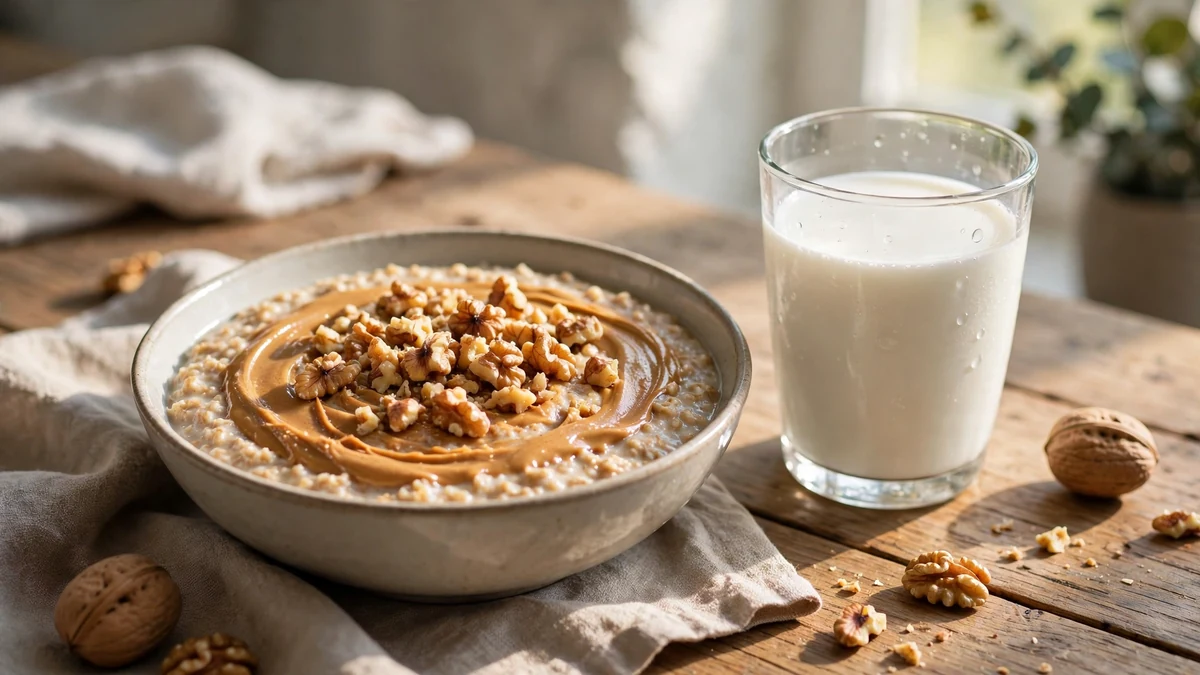
| Breakfast | 1/2 cup dry rolled oats, cooked; 1 tablespoon peanut butter; 1 cup skim milk; 1/2 oz walnuts (about 2 tablespoons chopped) | about 425 |
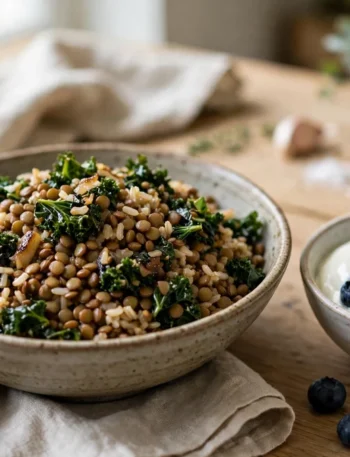
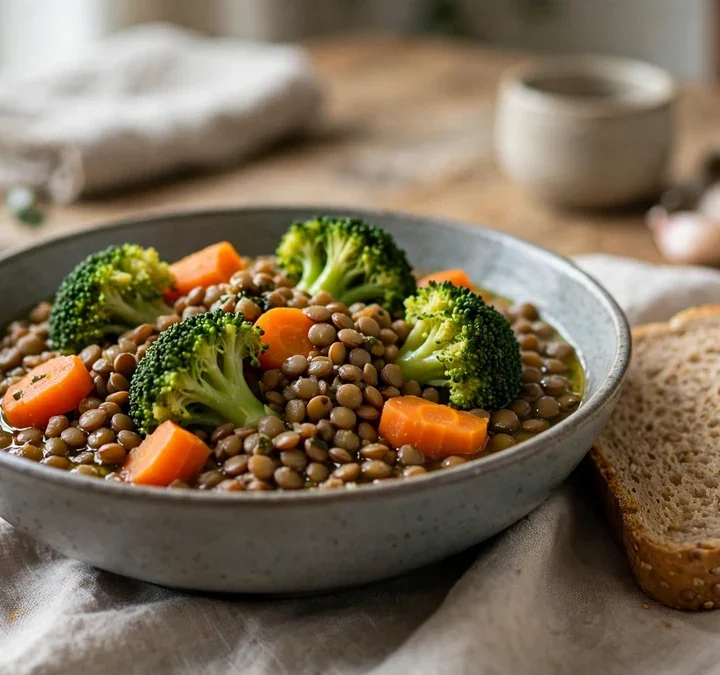
| Lunch | 1 cup cooked lentils; 1 cup cooked broccoli; 1 medium carrot; 1 teaspoon olive oil; 1 slice whole-wheat bread | about 426 |
| Dinner | 4 oz cooked chicken breast; 1/2 cup cooked quinoa; 1 cup cooked green beans; 2 cups green leaf lettuce; 1 teaspoon olive oil | about 392 |
| Snacks | 1 medium apple; 1 oz cheddar cheese | about 209 |
Day 1 total: about 1452 calories, 95 g protein, 171 g carbohydrate, 48 g fat, 42 g fiber.
Day 2
| Meal | Foods and portions | Calories |
|---|---|---|
| Breakfast | 2 large eggs; 1 slice whole-wheat toast; 1/2 avocado; 1 cup strawberries | about 404 |
| Lunch | 1 cup cooked chickpeas; 2 cups raw spinach; 1 medium tomato; 1/2 cucumber, sliced; 1 teaspoon olive oil; 1 oz feta cheese, crumbled | about 434 |
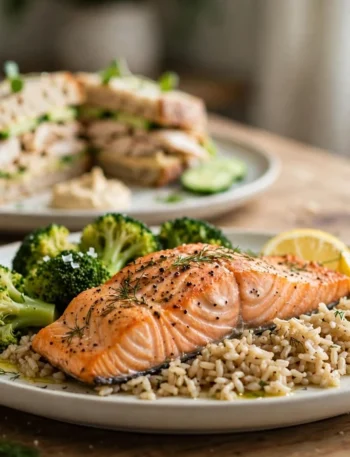
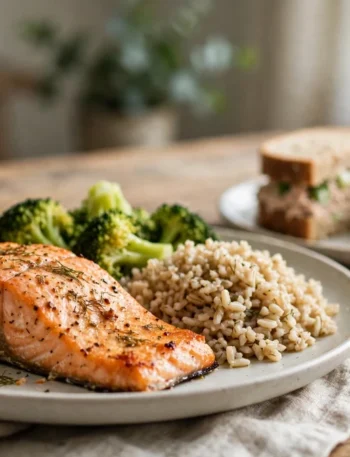
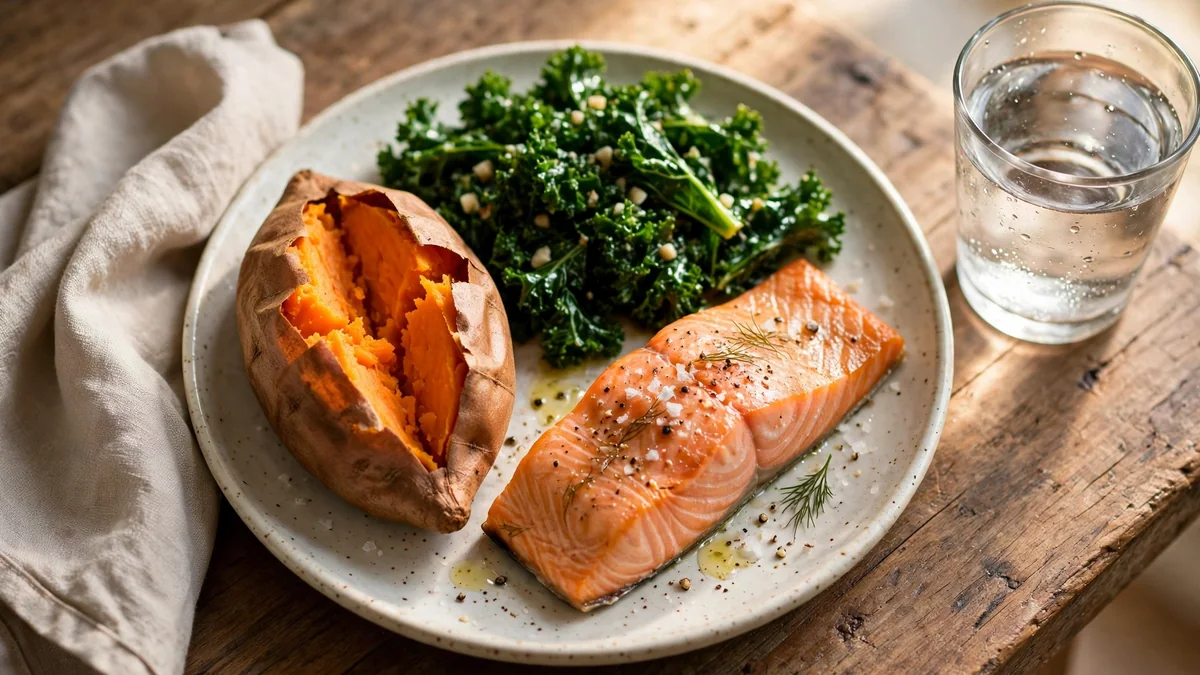
| Dinner | 5 oz cooked salmon; 1 medium baked sweet potato; 1 cup cooked kale | about 418 |
| Snacks | 3/4 cup plain low-fat (2%) Greek yogurt; 1 cup raspberries | about 188 |
Day 2 total: about 1444 calories, 102 g protein, 141 g carbohydrate, 56 g fat, 40 g fiber.
Day 3
| Meal | Foods and portions | Calories |
|---|---|---|
| Breakfast | 3/4 cup plain nonfat Greek yogurt; 1/4 cup granola; 1 cup blueberries; 1/2 oz almonds (about 12 almonds) | about 412 |
| Lunch | 1 cup cooked black beans; 1/2 cup cooked bulgur; 1/4 cup salsa; 1/2 avocado; 2 cups green leaf lettuce | about 452 |
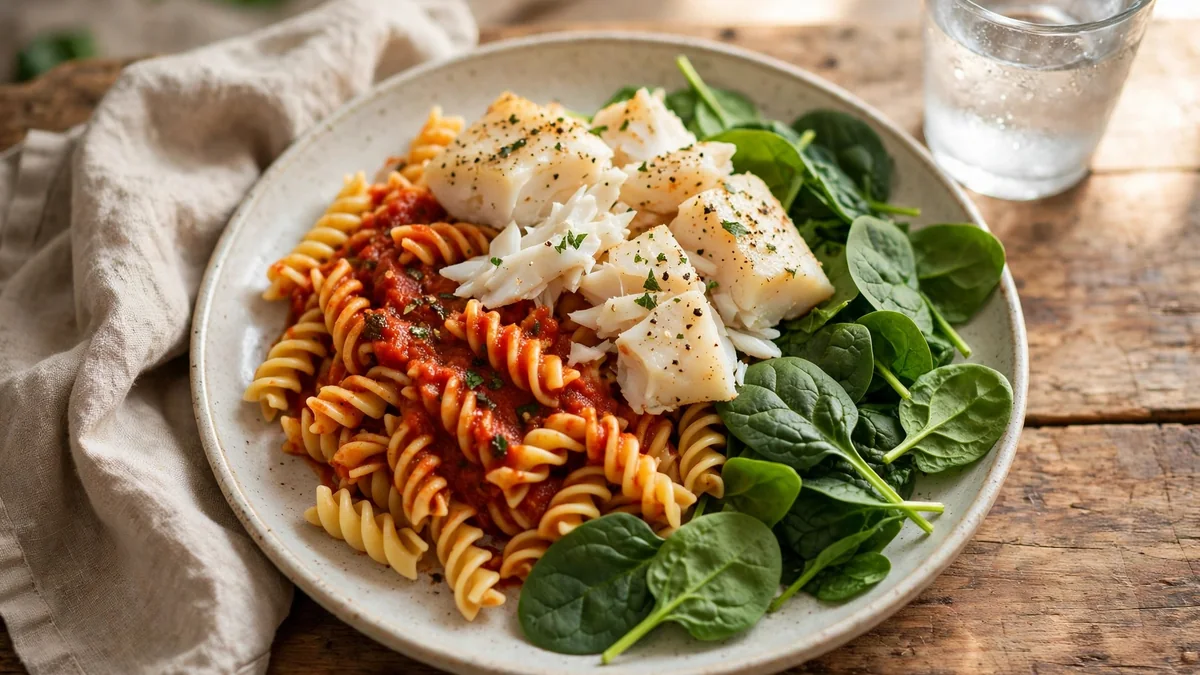
| Dinner | 6 oz cooked cod; 1 cup cooked pasta; 1/2 cup marinara sauce; 2 cups raw spinach | about 476 |
| Snacks | 1 medium orange; 1/2 oz walnuts (about 2 tablespoons chopped) | about 153 |
Day 3 total: about 1493 calories, 101 g protein, 189 g carbohydrate, 42 g fat, 44 g fiber.
Day 4
| Meal | Foods and portions | Calories |
|---|---|---|
| Breakfast | 1 cup low-fat cottage cheese; 1 medium apple, diced; 1 slice whole-wheat toast; 1/2 oz walnuts (about 2 tablespoons chopped) | about 430 |
| Lunch | 100 g tempeh (about 3 1/2 oz); 1/2 cup cooked brown rice; 1 cup cooked broccoli; 1 medium bell pepper; 1 teaspoon olive oil | about 425 |
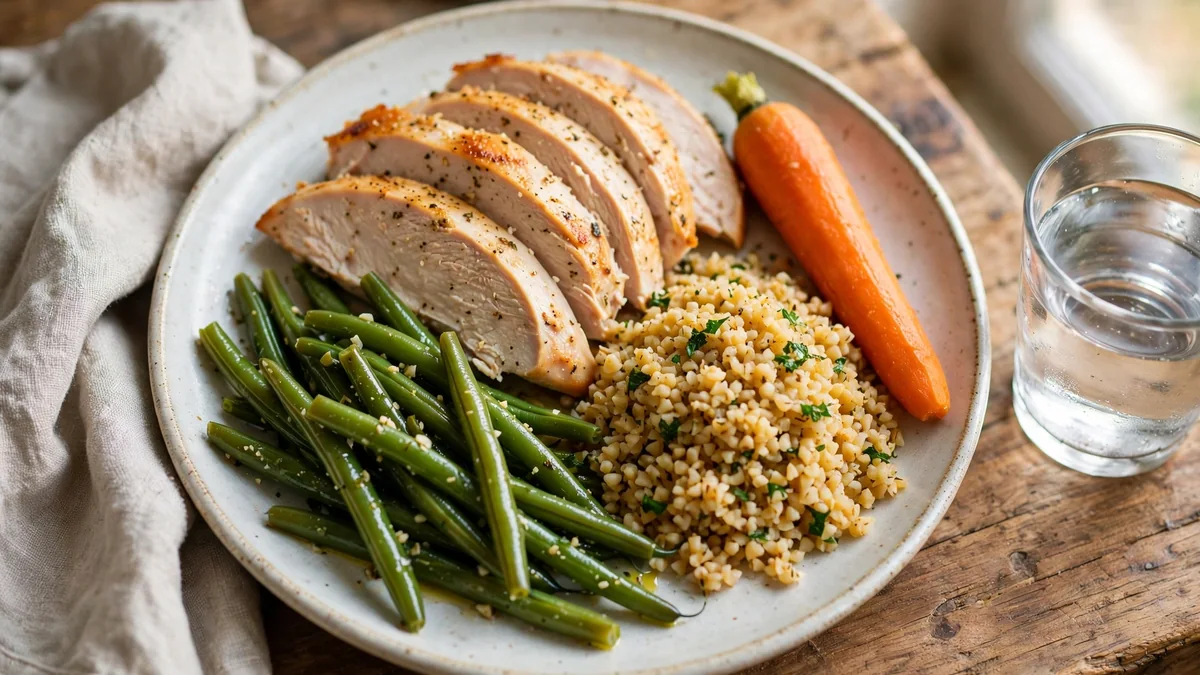
| Dinner | 5 oz cooked turkey breast; 1 cup cooked bulgur; 1 cup cooked green beans; 1 medium carrot | about 429 |
| Snacks | 3 cups air-popped popcorn; 3/4 cup skim milk | about 157 |
Day 4 total: about 1440 calories, 123 g protein, 172 g carbohydrate, 35 g fat, 33 g fiber.
Day 5
| Meal | Foods and portions | Calories |
|---|---|---|
| Breakfast | 1/2 cup dry rolled oats, cooked; 3/4 cup plain low-fat (2%) Greek yogurt; 1 cup raspberries; 1 tablespoon honey | about 403 |
| Lunch | 1 can tuna in water, drained; 1 whole-wheat pita; 2 cups green leaf lettuce; 1 medium tomato; 1/4 cup hummus | about 460 |
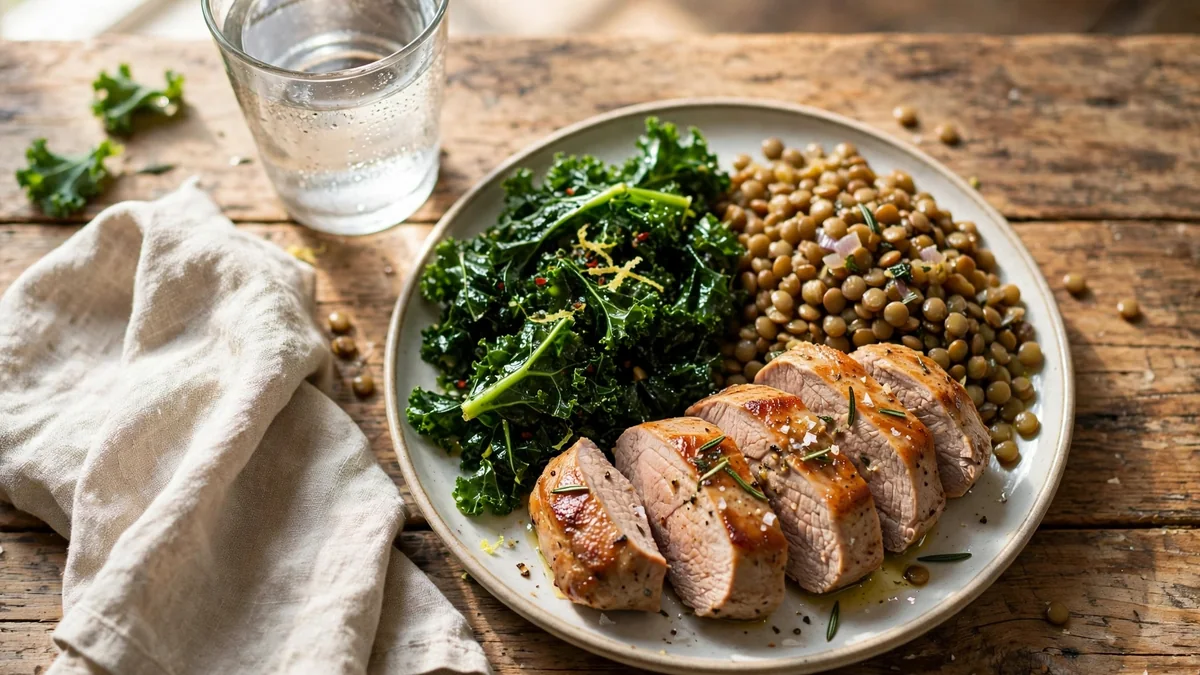
| Dinner | 4 oz cooked pork tenderloin; 1 cup cooked lentils; 1 cup cooked kale | about 445 |
| Snacks | 1 medium pear; 1/2 oz almonds (about 12 almonds) | about 183 |
Day 5 total: about 1491 calories, 118 g protein, 196 g carbohydrate, 30 g fat, 47 g fiber.
Day 6
| Meal | Foods and portions | Calories |
|---|---|---|
| Breakfast | 3 large eggs; 2 cups raw spinach, cooked with the eggs; 1 oz part-skim mozzarella; 1 medium tomato | about 351 |
| Lunch | 1 cup shelled edamame; 1/2 cup cooked quinoa; 1 cup chopped carrots; 1/2 cucumber, sliced; 1 teaspoon olive oil | about 406 |
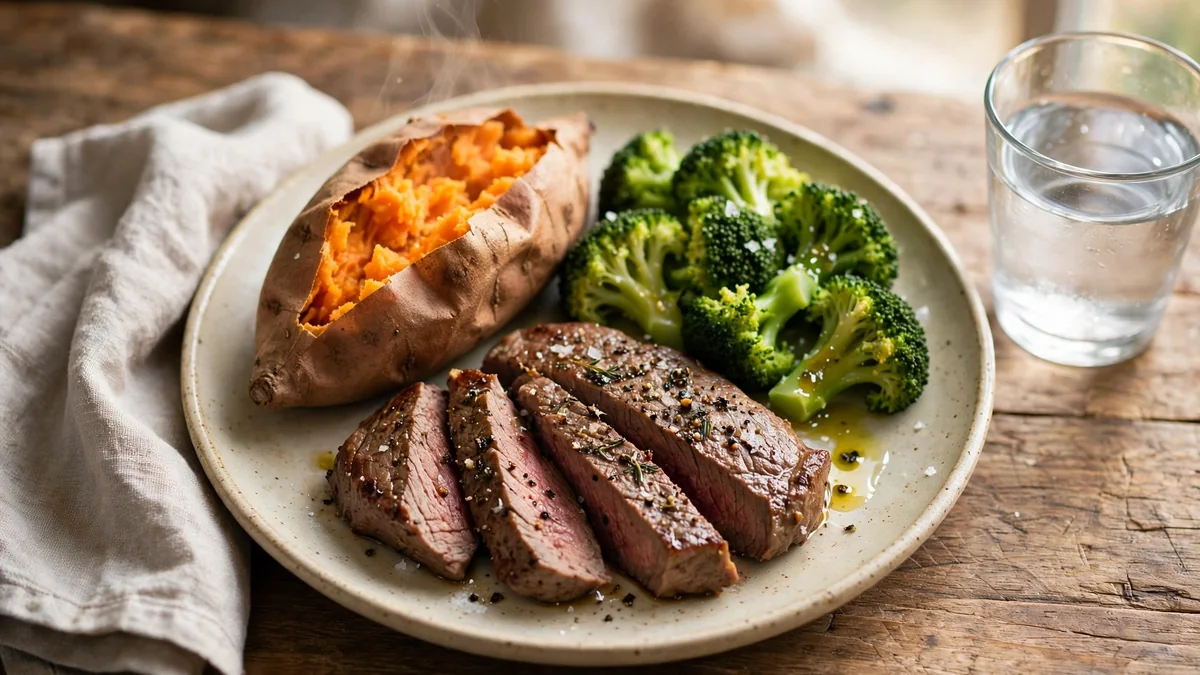
| Dinner | 4 oz cooked beef sirloin; 1 medium baked sweet potato; 1 cup cooked broccoli; 1 teaspoon olive oil | about 409 |
| Snacks | 3/4 cup plain nonfat Greek yogurt; 1 cup grapes; 1/2 oz almonds (about 12 almonds) | about 286 |
Day 6 total: about 1452 calories, 114 g protein, 131 g carbohydrate, 57 g fat, 30 g fiber.
Day 7
| Meal | Foods and portions | Calories |
|---|---|---|
| Breakfast | 1/2 cup dry rolled oats, cooked; 1 cup raspberries; 1/2 oz walnuts (about 2 tablespoons chopped); 3/4 cup plain nonfat Greek yogurt | about 407 |
| Lunch | 125 g firm tofu (about 4 1/2 oz); 1/2 cup cooked pasta; 1/2 cup marinara sauce; 1 cup cooked green beans; 1 teaspoon olive oil | about 437 |
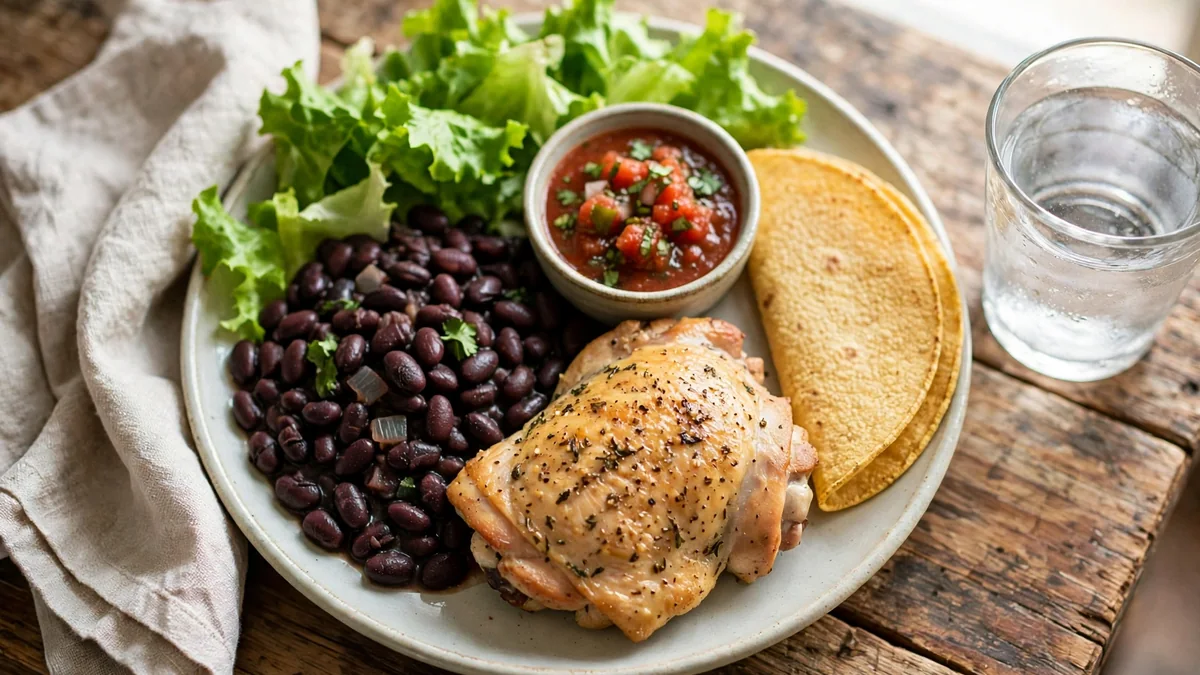
| Dinner | 4 oz cooked chicken thigh, skinless; 1/2 cup cooked black beans; 1 corn tortilla; 1/4 cup salsa; 2 cups green leaf lettuce | about 402 |
| Snacks | 1/2 cup low-fat cottage cheese; 1 cup strawberries; 1/2 oz walnuts (about 2 tablespoons chopped) | about 222 |
Day 7 total: about 1467 calories, 112 g protein, 149 g carbohydrate, 53 g fat, 39 g fiber.
Grocery list
This list covers the full week for one person following the plan as written.
Produce
- Apples
- Oranges
- Pears
- Grapes
- Strawberries
- Raspberries
- Blueberries
- Broccoli
- Green beans
- Kale
- Fresh spinach
- Green leaf lettuce
- Carrots
- Bell peppers
- Tomatoes
- Cucumbers
- Avocados
- Sweet potatoes
Meat and seafood
- Chicken breast
- Chicken thighs
- Turkey breast
- Salmon fillets
- Cod fillets
- Pork tenderloin
- Beef sirloin
- Canned tuna in water
Dairy and eggs
- Large eggs
- Plain nonfat Greek yogurt
- Plain low-fat Greek yogurt
- Low-fat cottage cheese
- Skim milk
- Cheddar cheese
- Feta cheese
- Part-skim mozzarella
Pantry
- Rolled oats
- Quinoa
- Bulgur
- Brown rice
- Pasta
- Lentils
- Black beans
- Chickpeas
- Peanut butter
- Olive oil
- Salsa
- Marinara sauce
- Hummus
- Honey
- Granola
- Popcorn for air-popping
- Almonds
- Walnuts
Frozen
- Shelled edamame
Bakery
- Whole-wheat bread
- Whole-wheat pita
- Corn tortillas
Meal prep tips
- Cook a large pot of lentils on day 1; they appear on day 1 and day 5 and keep well in the refrigerator all week.
- Cook the bulgur and quinoa in one session and refrigerate in measured portions, so the grain servings stay at the planned amounts.
- Rinse canned beans and chickpeas before use and portion them by the cup, since legumes carry much of this plan’s fiber.
- Wash berries and salad vegetables when you get home, and portion nuts into single servings so snacks stay at the planned size.
- Cook extra sweet potatoes on day 2; they reheat well for the day 6 dinner.
Easy swaps
- Swap lentils, black beans, and chickpeas for each other in the same amounts; all three sit at the slow end of the carbohydrate range.
- Swap bulgur for quinoa or brown rice, cup for cup of cooked grain, on any day.
- Swap salmon for cod or chicken breast in the same weight on day 2, depending on price.
- Swap raspberries, blueberries, and strawberries cup for cup at breakfasts and snacks.
- Swap cottage cheese for the same amount of plain Greek yogurt at breakfasts and snacks.
- Swap the tuna pita on day 5 for the same amount of cooked chicken with the hummus and salad if tuna is not available.
How to adjust the calories safely
If this plan leaves you persistently hungry, low on energy, or losing faster than about 2 pounds a week, add food. To add roughly 200 to 300 calories a day using foods already in the plan, choose one: 1 oz of walnuts (about 183 calories) plus 1 teaspoon of olive oil on your vegetables (about 40 calories); or an extra 1 cup of cooked quinoa split between lunch and dinner (about 222 calories); or 3/4 cup of plain Greek yogurt (about 100 calories) plus 1 tablespoon of peanut butter (about 96 calories) plus a medium carrot (about 25 calories).
Never go below 1,200 calories a day for women or 1,500 calories a day for men. Because this plan is written at the men’s floor of 1,500, men should add one of the options above every day, and taller or very active adults should do the same when the plan is not enough.
Common mistakes
- Drinking juice or sweetened drinks. Liquid carbohydrate digests faster than any solid food on this plan and undoes the pattern in one glass.
- Eating fruit or grains completely alone. The pairings are the method here; a banana by itself and a banana with yogurt behave differently.
- Overcooking the pasta. Pasta cooked very soft digests faster than pasta cooked firm, so watch the pot on day 3.
- Assuming low glycemic means unlimited portions. Amount still matters, which is why every serving in this plan is measured.
- Cutting out all higher ranking foods. This plan uses the pattern as a guide for a weight loss week, not as a ban list.
Pair it with a workout
A short walk after meals is one of the simplest habits to pair with this eating pattern. Browse the walking plans and beginner strength routines in our Exercise and Workouts category, start with the level that matches your current fitness, and build up gradually. Stop any exercise that causes pain, dizziness, or chest pain, and check with your doctor before starting if you have been inactive or have any medical condition.
Frequently asked questions
What does low glycemic mean in plain terms?
It describes carbohydrate foods that are digested and absorbed slowly, so blood sugar rises gradually instead of sharply. In practice it means choosing foods like lentils, beans, oats, bulgur, and whole fruit, in measured portions, and eating them with protein or fat foods.
How is this different from the Better Blood Sugar plan on this site?
Our 7-Day Weight Loss Meal Plan for Better Blood Sugar is set at about 1,400 calories and focuses mainly on the pairing habit. This plan is set at 1,500 calories and is organized around the glycemic pattern itself: the staple choices, the cooking methods, and the portions. The menus are completely different, so the two plans rotate well.
Why is pasta in a low glycemic plan?
Pasta has a compact structure that digests more slowly than bread or mashed potato, especially when cooked just until firm and served with protein and vegetables. Day 3 pairs a measured cup of pasta with cod, marinara, and spinach.
I have prediabetes. Can I follow this plan?
Bring it to your doctor or registered dietitian first. The habits here are the ones often discussed for blood sugar friendly eating, but your readings, medication, and overall health decide whether this plan suits you. This page is education, not a treatment plan.
Are bananas and grapes off limits?
This plan does not use bananas, but not because they are forbidden; other fruits simply fit the week’s portions better. Grapes appear on day 6, served with Greek yogurt and almonds. Whole fruit in measured portions, eaten with other foods, belongs in this pattern.
Do I need to check my blood sugar while following this plan?
Only if your clinician has given you a meter and a schedule. Do not start testing because of this page. If you already test, keep following your care team’s instructions and share your readings at your next appointment.
Sources and further reading
- USDA FoodData Central, the source for every calorie and nutrient value in this plan: fdc.nal.usda.gov
- American Diabetes Association, for education on glycemic index and diabetes: diabetes.org
- MedlinePlus, for plain language background on glycemic index and blood sugar: medlineplus.gov
- National Institute of Diabetes and Digestive and Kidney Diseases, for healthy eating and physical activity education: niddk.nih.gov
- Dietary Guidelines for Americans, for the healthy eating patterns behind this plan: dietaryguidelines.gov
- MyPlate, for balanced plate ideas built from the same food groups: myplate.gov
This article is for general educational purposes only and is not medical, nutrition, or fitness advice. Talk with your doctor or a registered dietitian before changing your diet or starting an exercise program.