Prints just the plan, like a recipe card.
Last updated: November 22, 2026.
This gluten free meal plan lays out a full week of eating at about 1,500 calories a day, with exact foods and US portions for breakfast, lunch, dinner, and a snack every day. It is built entirely from foods that are naturally gluten-free: rice, quinoa, corn tortillas, potatoes, beans and lentils, eggs, dairy, meat, fish, vegetables, and fruit. No wheat bread, pasta, bulgur, or flour tortillas appear anywhere in the week. Every calorie and macro number on this page was calculated from USDA FoodData Central values for the portions listed.
Protein averages about 111 grams a day and fiber about 36 grams a day, so the week stays filling even without bread and pasta. At 1,500 calories, it is sized for gradual loss of about 1 to 2 pounds a week for many adults, though your own rate may vary and no plan can promise a result.
You will find more eating styles in our By Diet Style collection, part of the full Diet Plans library. If you like Mediterranean flavors, our 7-Day No-Sugar Mediterranean Diet Meal Plan leans on many of the same naturally gluten-free staples, with a completely different menu.
Who this plan is for, and who should not follow it
This plan is for adults who avoid gluten, whether for celiac disease, a wheat sensitivity, or personal preference, and who want a weight loss week planned out in advance. It is a good fit if you are tired of reading labels at every meal and want a week where the decisions are already made with naturally gluten-free foods.
If you have celiac disease, treat this page as a starting framework, not a guarantee. Celiac disease requires strict, lifelong gluten avoidance, and only you and your care team can judge what is safe for you. Check the label of every packaged food you buy, including oats, salsa, marinara style sauces, and canned goods, because recipes and manufacturing change. Choose oats that are certified gluten-free, since regular oats are often contaminated with wheat during growing and processing. If you have diabetes, kidney disease, or another condition affected by food, or you take medication that food or weight change can affect, review this plan with your doctor and a registered dietitian before you start. Do not follow this plan if you are under 18, pregnant, or breastfeeding. This page is general education, not medical advice.
If you have a history of disordered eating, talk with a doctor or a registered dietitian before following any diet plan. For eating disorder support in the US, visit the National Alliance for Eating Disorders at allianceforeatingdisorders.com.
Plan overview
| Measure | Amount |
|---|---|
| Target calories per day | about 1,500 |
| Average calories per day (as written) | about 1495 |
| Average protein per day | about 111 g |
| Average carbohydrate per day | about 178 g |
| Average fat per day | about 41 g |
| Average fiber per day | about 36 g |
| Meals per day | 4 (breakfast, lunch, dinner, and snacks) |
Every day uses a naturally gluten-free grain or starch (oats, rice, quinoa, corn tortillas, or potatoes) at most meals, and legumes appear most days for fiber and staying power.
How this gluten free meal plan is built
Instead of relying on specialty gluten-free breads and pastas, which vary widely in nutrition and are not in our food database, this plan builds each day on whole foods that never contained gluten in the first place. Breakfasts rotate between certified gluten-free oats, eggs with sweet potato, and Greek yogurt with fruit. Lunches and dinners pair a lean protein with rice, quinoa, corn tortillas, or potatoes, plus beans or lentils most days.
Because packaged foods are where gluten hides, the plan keeps packaged items short and simple: salsa, canned tomatoes, hummus, and corn tortillas. Read each label anyway, every time you shop, and when a product offers a certified gluten-free version, choose that one.
The 7-day meal plan
Portions are given in US household measures. Cook poultry, beef, and pork thoroughly, refrigerate leftovers within 2 hours, and rinse canned beans to reduce sodium.
Day 1
| Meal | What to eat | Calories |
|---|---|---|
| Breakfast | 1/2 cup dry rolled oats (certified gluten-free); 1 cup blueberries; 3/4 cup plain nonfat Greek yogurt; 1/2 oz walnuts (about 1 tablespoon chopped) | about 428 |
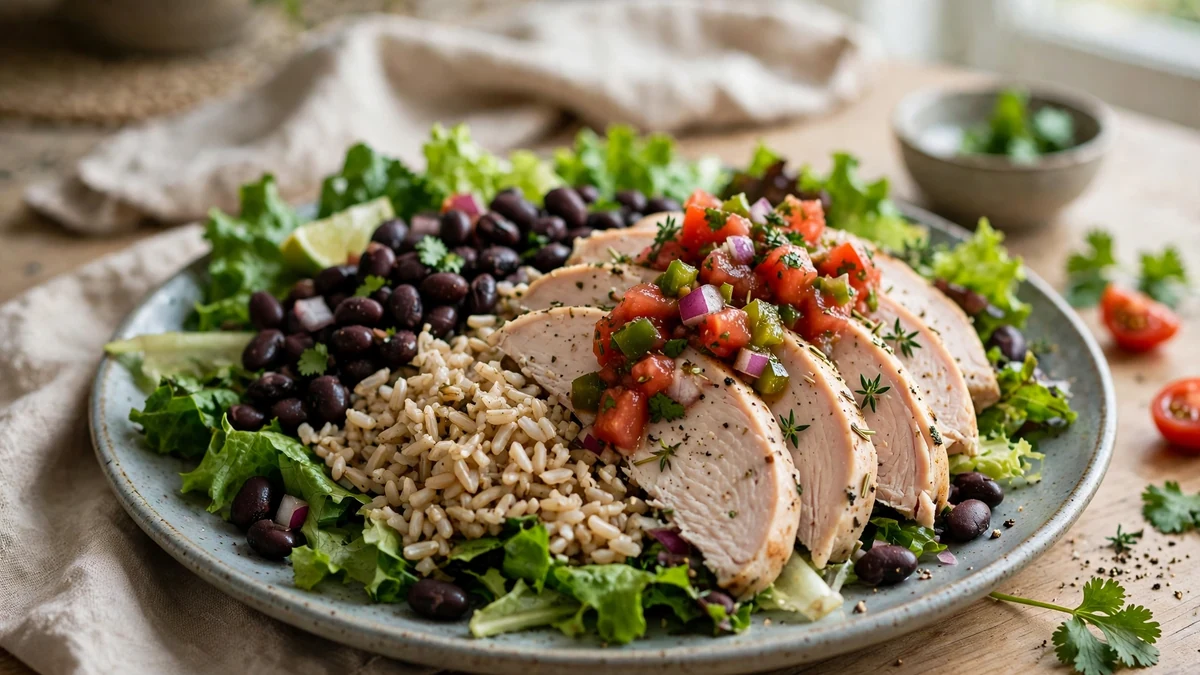
| Lunch | 4 oz cooked turkey breast; 1/2 cup cooked brown rice; 1/2 cup cooked black beans; 1/4 cup salsa; 2 cups green leaf lettuce | about 423 |
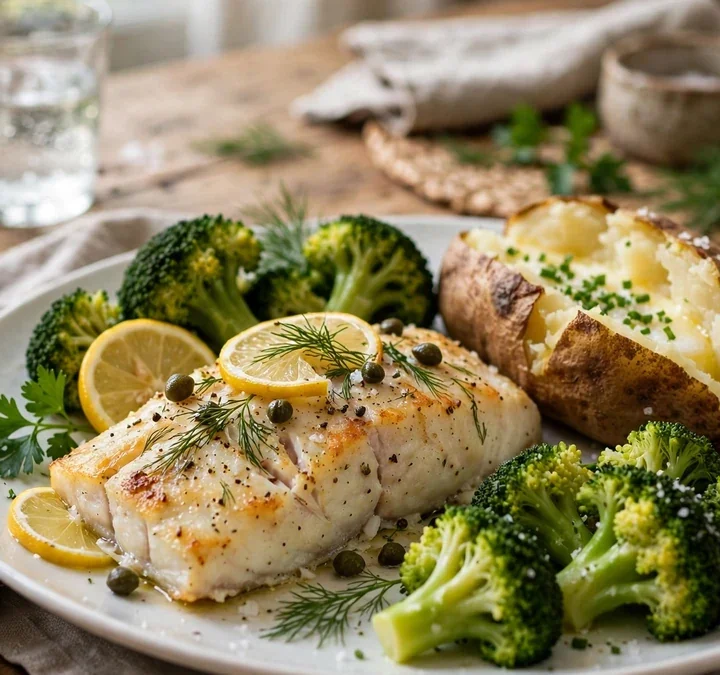
| Dinner | 6 oz cooked cod; 1 medium baked potato; 1 cup cooked broccoli; 1 teaspoon olive oil | about 423 |
| Snacks | 1 medium apple; 1 tablespoon peanut butter | about 190 |
Day 1 total: about 1465 calories, 123 g protein, 181 g carbohydrate, 32 g fat, 33 g fiber.
Day 2
| Meal | What to eat | Calories |
|---|---|---|
| Breakfast | 2 large eggs; 1 medium baked sweet potato; 2 cups fresh spinach; 1 oz cheddar cheese | about 386 |
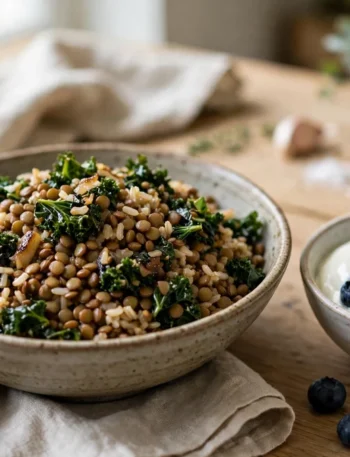
| Lunch | 1 cup cooked lentils; 1 cup chopped carrots; 1/2 cup crushed canned tomatoes; 2 teaspoons olive oil | about 398 |
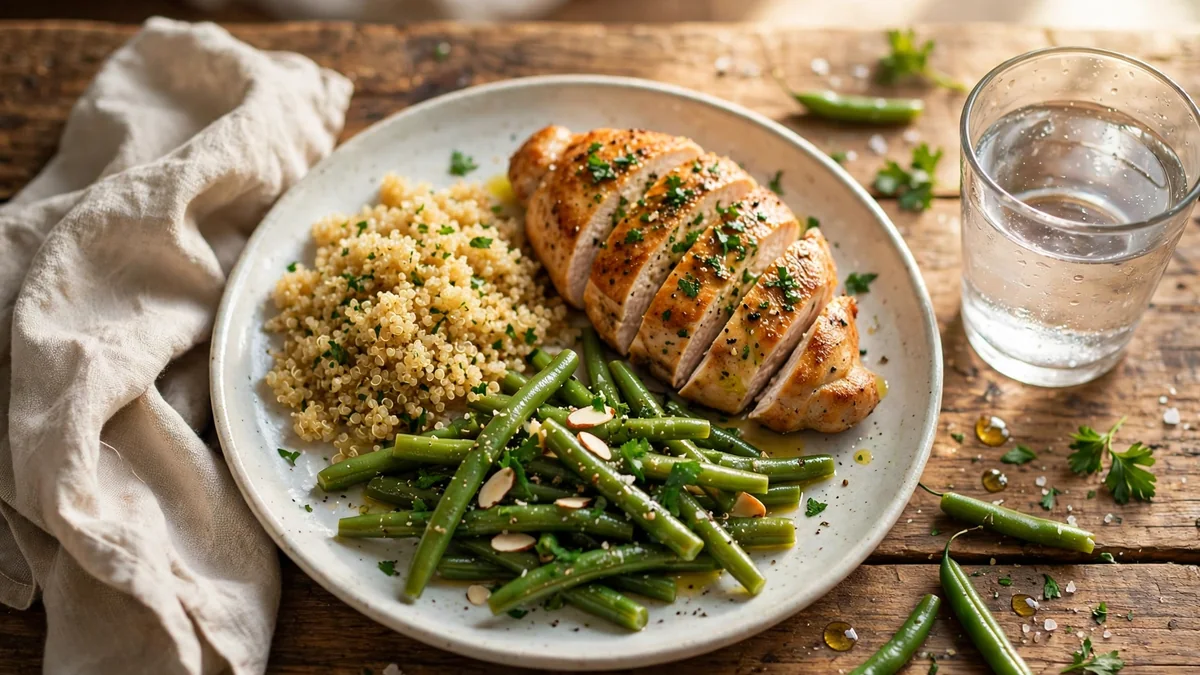
| Dinner | 5 oz cooked chicken breast; 1 cup cooked quinoa; 1 cup cooked green beans | about 500 |
| Snacks | 1 medium pear; 1/2 cup low-fat cottage cheese | about 183 |
Day 2 total: about 1467 calories, 114 g protein, 167 g carbohydrate, 41 g fat, 41 g fiber.
Day 3
| Meal | What to eat | Calories |
|---|---|---|
| Breakfast | 1 cup plain low-fat Greek yogurt; 1 cup strawberries; 1/2 cup dry rolled oats (certified gluten-free); 1 tablespoon honey | about 443 |
| Lunch | 1 can tuna in water, drained; 2 corn tortillas; 1/2 avocado; 1 medium tomato; 1/2 cucumber | about 424 |
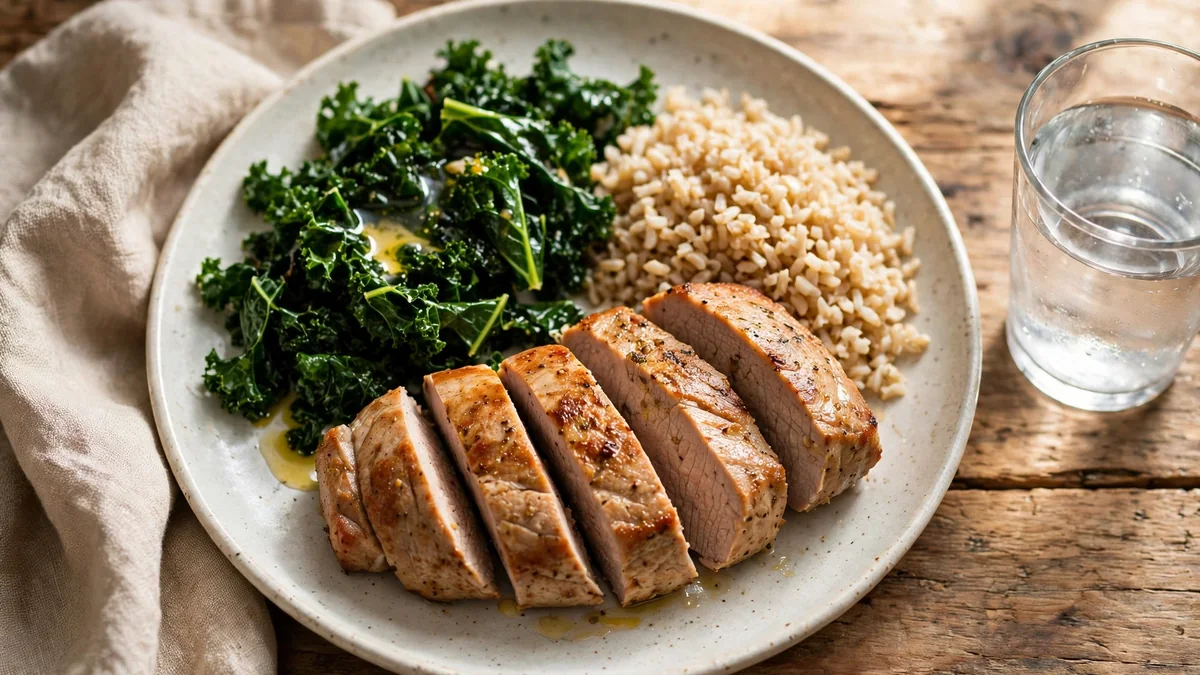
| Dinner | 4 oz cooked pork tenderloin; 1 cup cooked brown rice; 1 cup cooked kale; 1 teaspoon olive oil | about 486 |
| Snacks | 1 orange; 1/2 oz almonds (about 6 almonds) | about 143 |
Day 3 total: about 1496 calories, 108 g protein, 176 g carbohydrate, 43 g fat, 28 g fiber.
Day 4
| Meal | What to eat | Calories |
|---|---|---|
| Breakfast | 1/2 cup dry rolled oats (certified gluten-free); 1 medium banana; 1 tablespoon peanut butter; 3/4 cup skim milk | about 417 |
| Lunch | 1 cup cooked chickpeas; 1/2 cucumber; 1 medium tomato; 1 oz feta cheese; 1 teaspoon olive oil | about 420 |
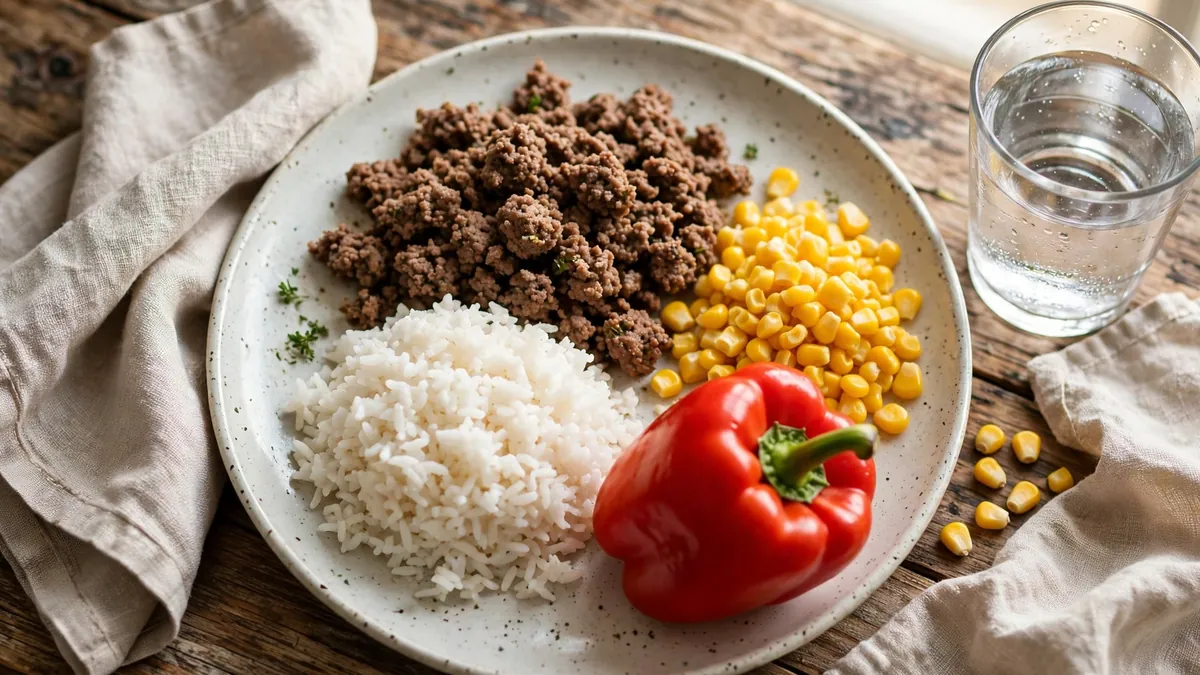
| Dinner | 4 oz cooked lean ground beef (90% lean); 1/2 cup cooked white rice; 2/3 cup cooked corn; 1 medium bell pepper | about 486 |
| Snacks | 3/4 cup plain nonfat Greek yogurt; 1 cup raspberries | about 164 |
Day 4 total: about 1487 calories, 92 g protein, 195 g carbohydrate, 43 g fat, 35 g fiber.
Day 5
| Meal | What to eat | Calories |
|---|---|---|
| Breakfast | 2 large eggs; 2 corn tortillas; 1/4 cup salsa; 1/2 avocado; 2 cups fresh spinach | about 421 |
| Lunch | 1 cup cooked black beans; 1/2 cup cooked brown rice; 2/3 cup cooked corn; 1 oz cheddar cheese; 2 cups green leaf lettuce | about 563 |
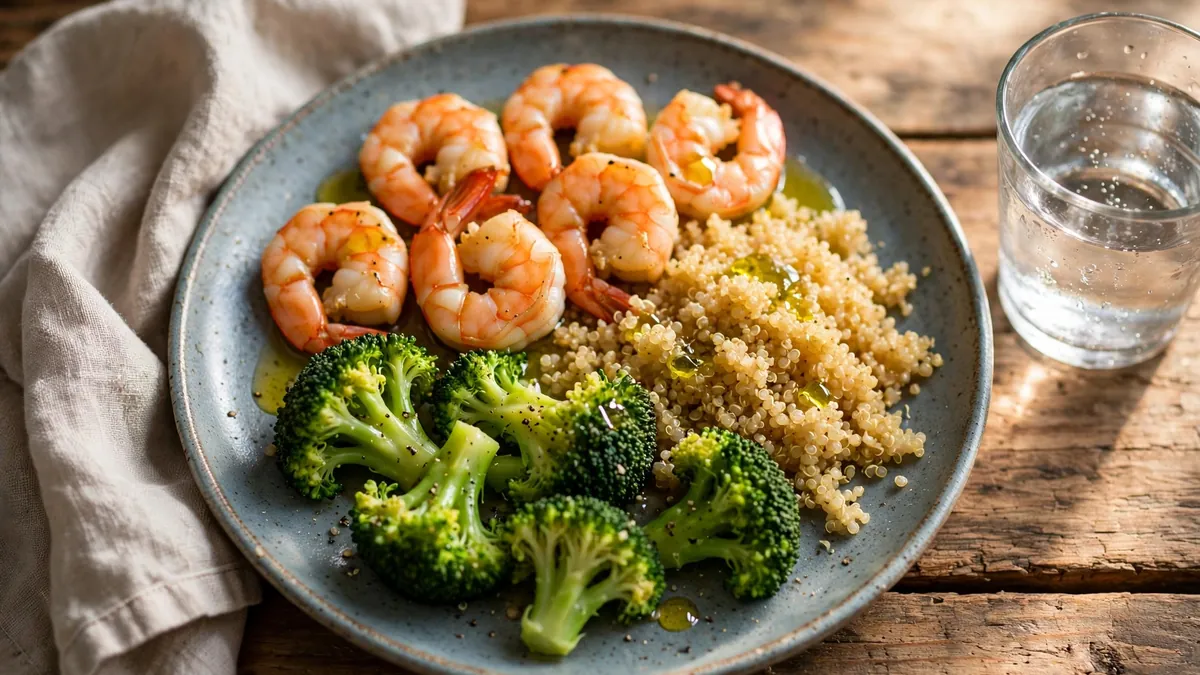
| Dinner | 5 oz cooked shrimp; 1/2 cup cooked quinoa; 1 cup cooked broccoli; 2 teaspoons olive oil | about 415 |
| Snacks | 1/2 cup low-fat cottage cheese; 1 cup strawberries | about 130 |
Day 5 total: about 1528 calories, 104 g protein, 173 g carbohydrate, 52 g fat, 41 g fiber.
Day 6
| Meal | What to eat | Calories |
|---|---|---|
| Breakfast | 1 cup plain nonfat Greek yogurt; 1 cup raspberries; 1/2 cup dry rolled oats (certified gluten-free); 1 tablespoon maple syrup | about 412 |
| Lunch | 4 oz cooked skinless chicken thigh; 2 medium baked sweet potatoes; 1 cup cooked green beans | about 451 |
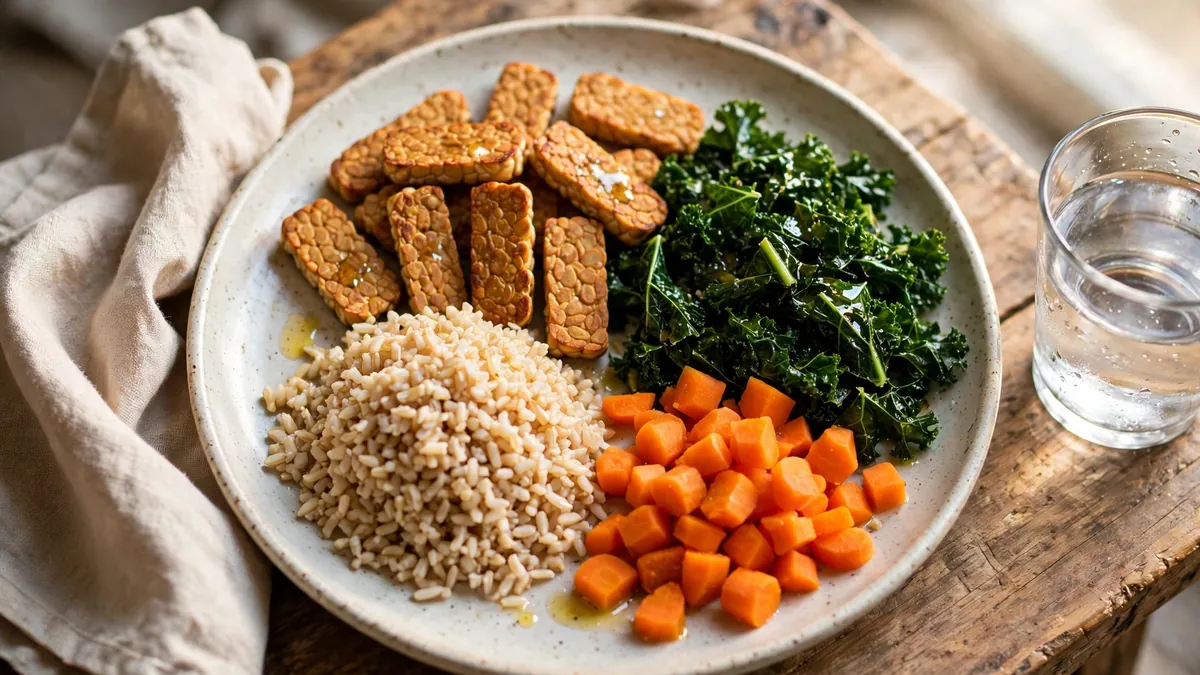
| Dinner | 100 g tempeh (about 3 1/2 oz); 1/2 cup cooked brown rice; 1 cup cooked kale; 1 cup chopped carrots; 1 teaspoon olive oil | about 456 |
| Snacks | 1 medium apple; 1 oz cheddar cheese | about 209 |
Day 6 total: about 1529 calories, 102 g protein, 197 g carbohydrate, 42 g fat, 36 g fiber.
Day 7
| Meal | What to eat | Calories |
|---|---|---|
| Breakfast | 2 large eggs; 2 large egg whites; 1 medium baked sweet potato; 2 cups fresh spinach; 1/4 cup salsa; 1 oz cheddar cheese | about 439 |
| Lunch | 4 oz cooked salmon; 1 medium baked potato; 1 cup cooked green beans; 2 cups green leaf lettuce | about 411 |
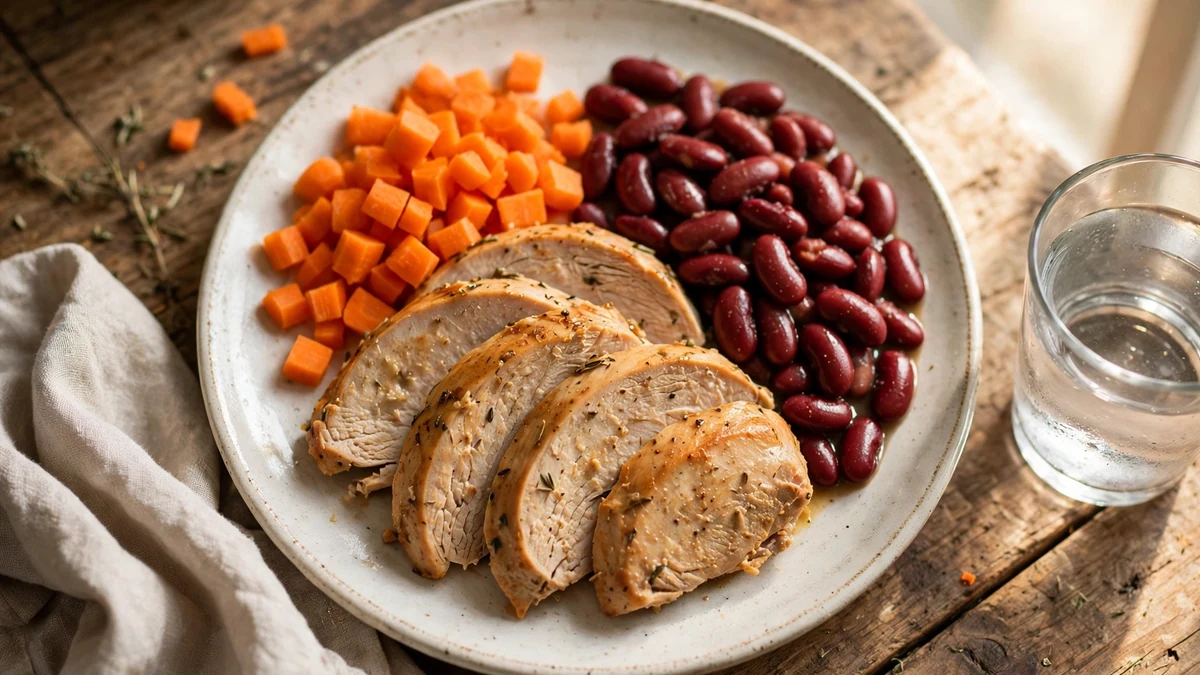
| Dinner | 5 oz cooked turkey breast; 1 cup cooked kidney beans; 1 cup chopped carrots | about 486 |
| Snacks | 3 cups air-popped popcorn; 3/4 cup skim milk | about 157 |
Day 7 total: about 1493 calories, 136 g protein, 158 g carbohydrate, 36 g fat, 35 g fiber.
Grocery list
This list covers the full week for one person, following the portions in the plan.
Produce
- Sweet potatoes and white potatoes
- Broccoli, green beans, and kale
- Fresh spinach and green leaf lettuce
- Carrots, cucumbers, tomatoes, and bell peppers
- Apples, pears, bananas, and oranges
- Blueberries, strawberries, and raspberries
- Avocados
Meat and seafood
- Turkey breast
- Chicken breast and skinless chicken thighs
- Salmon fillets, cod fillets, and shrimp
- Pork tenderloin
- Lean ground beef (90% lean)
- Canned tuna in water
- Tempeh
Dairy and eggs
- Large eggs and egg whites
- Plain nonfat and low-fat Greek yogurt
- Low-fat cottage cheese
- Cheddar cheese and feta cheese
- Skim milk
Pantry
- Rolled oats, certified gluten-free
- Brown rice, white rice, and quinoa
- Lentils, black beans, kidney beans, and chickpeas (dry or canned)
- Corn tortillas
- Salsa and crushed canned tomatoes
- Peanut butter, almonds, and walnuts
- Olive oil
- Honey and maple syrup
- Popcorn for air-popping
Frozen
- Frozen berries as a backup for fresh fruit
- Frozen shrimp or green beans if fresh are not available
Bakery
- None required. This plan uses no bread; if you buy certified gluten-free bread, its nutrition differs from the foods calculated here
Meal prep tips
- Cook a pot of brown rice and a pot of quinoa on day 1; the plan uses both across the week, and cooked grains keep 3 to 4 days in the refrigerator.
- Bake several sweet potatoes at once. They cover a breakfast hash, a lunch side, and a dinner plate with no extra cooking.
- Make a double batch of the day 2 lentil and tomato soup base; it reheats well for a busy evening.
- Portion nuts, cheese, and popcorn into single servings so snacks stay at the planned size.
- Wash greens and chop peppers, cucumbers, and carrots ahead, so salads and plates take minutes to assemble.
- Check every new packaged food label for gluten and for a certified gluten-free claim before it goes in the cart, not at home.
Easy swaps
- Swap brown rice and quinoa for each other, cup for cup, anywhere in the week.
- Swap cod, shrimp, and salmon for each other in the same portion; calories stay close.
- Swap black beans, kidney beans, and chickpeas for each other in equal portions.
- Swap corn tortillas for a baked potato of similar size when you want a change from tacos and wraps.
- Swap Greek yogurt for the same amount of low-fat cottage cheese at breakfasts and snacks.
- Swap pear, apple, and orange for each other as the fruit in a meal.
How to adjust the calories safely
This plan averages about 1495 calories a day. If you are a man, if you are tall or active, or if you are losing weight faster than about 1 to 2 pounds a week, add about 200 to 300 calories a day using foods already in the plan: 1 cup of cooked quinoa (about 222 calories) added to a dinner; or 1 oz of walnuts (about 183 calories) plus an orange (about 62 calories); or 2 tablespoons of peanut butter (about 191 calories) with a banana (about 105 calories).
Never go below 1,200 calories a day for women or 1,500 calories a day for men. Men using this plan should use the additions above to stay at or above 1,500 calories, and most men will feel and do better higher than that, based on size and activity.
Common mistakes
- Assuming a food is gluten-free because it looks plain. Sauces, salsa, spice blends, and canned goods can contain gluten; read every label, every time.
- Buying regular oats. Oats are naturally gluten-free but are commonly contaminated with wheat; choose certified gluten-free oats.
- Replacing the plan’s grains with specialty gluten-free breads and pastas and expecting the same numbers. Those products vary a lot and are not what was calculated here.
- Letting the week get repetitive and quitting. The swaps list exists so you can change proteins, grains, and fruit without changing the structure.
- Ignoring cross-contact at home. Use clean boards and utensils, and a separate toaster or toaster bags if your household also cooks with gluten.
Pair it with a workout
Food is only half of a weight loss week. Pair this plan with the walking plans and beginner strength routines in our Exercise and Workouts category, building up gradually and stopping any exercise that causes pain, dizziness, or chest pain. A 10 to 15 minute walk after meals is an easy place to start.
Frequently asked questions
Is this plan safe if I have celiac disease?
The foods themselves are naturally gluten-free, but celiac disease requires strict avoidance and careful label reading that a general meal plan cannot guarantee. Use the plan as a framework, choose certified gluten-free versions of packaged foods such as oats and salsa, watch cross-contact in your kitchen, and review the approach with your doctor or a registered dietitian, who should be guiding your celiac care.
Are oats gluten-free?
Oats do not naturally contain gluten, but they are often grown, transported, and milled alongside wheat, so regular oats are frequently contaminated. If you avoid gluten strictly, buy oats labeled certified gluten-free, as this plan specifies.
Can I add gluten-free bread to this plan?
You can, but the numbers on this page were calculated with rice, quinoa, corn tortillas, and potatoes, not with gluten-free breads, which vary widely by brand. If you swap a bread in, treat the day as approximate and keep portions modest.
Will I miss fiber or nutrients without wheat?
Not on this week. Beans, lentils, chickpeas, quinoa, oats, and produce supply the fiber, and the plan averages about 36 grams a day. Protein averages about 111 grams a day from eggs, dairy, meat, fish, and legumes.
Is 1,500 calories the right level for me?
It suits many women for gradual weight loss. It is the floor for men, not a target: men should use the adjustment section to add 200 to 300 calories a day, and anyone who feels weak, constantly hungry, or is losing faster than about 1 to 2 pounds a week should eat more and talk with a clinician.
Sources and further reading
- USDA FoodData Central, the source for every calorie and nutrient value in this plan: fdc.nal.usda.gov
- Dietary Guidelines for Americans, for the overall healthy eating pattern this plan follows: dietaryguidelines.gov
- MyPlate, for balanced plate ideas built from the same food groups: myplate.gov
- Centers for Disease Control and Prevention, for healthy weight guidance: cdc.gov
- MedlinePlus, for plain language background on celiac disease and gluten-free eating: medlineplus.gov
- Academy of Nutrition and Dietetics, for guidance on reading labels and eating well without gluten: eatright.org
This article is for general educational purposes only and is not medical, nutrition, or fitness advice. Talk with your doctor or a registered dietitian before changing your diet or starting an exercise program.